




The Power of Antioxidants in Cocoa
The secret to cocoa's skin-loving power lies in its high concentration of antioxidants, particularly a group called flavonoids. These powerful compounds are warriors against free radicals—unstable molecules from pollution and UV exposure that damage skin cells
and accelerate aging. Studies have shown that when applied topically, the phytochemicals in cocoa can help neutralize these harmful free radicals, reducing oxidative stress that leads to fine lines and wrinkles. Raw cacao powder, which is less processed than roasted cocoa, contains even higher levels of these protective antioxidants.
More Than Just a Sweet Treat
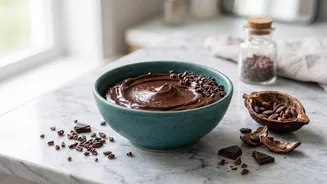
It’s important to distinguish between a sugary chocolate bar and the cocoa used in skincare. The benefits come from dark, high-cacao content products, not milk chocolate loaded with sugar. Cacao is packed with beneficial minerals like magnesium and iron, as well as vitamins A, B, C, and E, which nourish the skin and support cell growth. Furthermore, a natural fat derived from the cacao bean, cocoa butter, is a fantastic emollient. Rich in fatty acids, it helps to form a protective barrier on the skin, locking in moisture and leaving it soft and supple without feeling greasy.
Key Benefits for Your Skin
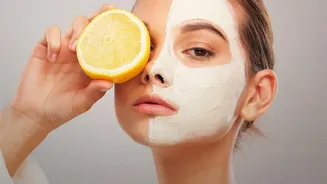
Using a cocoa-based face mask can deliver a surprising range of benefits. The flavonoids help to improve blood circulation to the skin, which enhances the delivery of oxygen and nutrients, resulting in a more radiant and glowing complexion. Its anti-inflammatory properties can soothe redness and irritation, making it potentially beneficial for those with sensitive or blemish-prone skin. Some research even suggests that cocoa can support collagen production, the protein responsible for skin's firmness and elasticity, helping to keep skin looking youthful. It can also offer some protection against sun damage, although it should never replace your daily sunscreen.
DIY vs. Store-Bought Masks
Creating your own chocolate face mask at home can be a simple and affordable option. A popular DIY recipe involves mixing pure, unsweetened cocoa powder with a hydrating base like plain yogurt or honey. Yogurt contains lactic acid, which helps to gently exfoliate and unclog pores, while honey is a natural humectant and has antibacterial properties. However, store-bought masks are professionally formulated for stability and often include other beneficial ingredients that enhance cocoa's effects. While DIY is fun and natural, pre-made masks can offer more targeted and consistent results. The choice often comes down to personal preference and skin needs.
How to Use and What to Expect
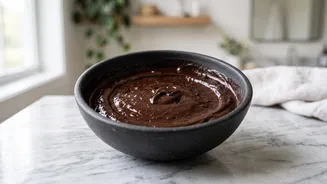
For an at_home treatment, start with a clean, dry face. Mix your chosen ingredients—for instance, a tablespoon of cocoa powder with yogurt or honey—into a smooth paste that resembles brownie batter. Apply a thin layer to your face and neck, avoiding the delicate eye area. Let it sit for about 15 to 20 minutes before rinsing off with warm water. Immediately after, your skin may feel softer and look more refreshed and hydrated. While the effects like reduced puffiness from caffeine might be temporary, the antioxidant and moisturizing benefits contribute to long_term skin health with regular use, typically once or twice a week.
Are There Any Risks?
For most people, a cocoa face mask is a safe and gentle treatment. However, it's always wise to perform a patch test on a small area of skin first to check for any allergic reactions. Some people worry that chocolate causes acne, but there's little scientific evidence to support this claim when it comes to topical application. The main consideration is the other ingredients in the mask. Cocoa butter can be comedogenic, meaning it may clog pores for some individuals, particularly those with very oily or acne_prone skin. As with any new skincare product, pay attention to how your skin reacts.