




Planning Starts Before You Pack
A successful hotel stay begins with choosing the right accommodation. When booking, don't just look for 'pet-friendly' policies; call the hotel directly to confirm. Ask about any size or breed restrictions, specific rules for pets, and what amenities
they provide, such as designated green spaces for potty breaks. Knowing the rules upfront prevents stressful surprises at check-in. It's also wise to ensure your dog is comfortable in new places before you commit to a trip. If they get anxious around strangers or in unfamiliar environments, a hotel might not be the best option right now. A quick leg stretch and a chance to relieve themselves just before you walk into the lobby can also make for a much calmer entrance.
Pack Comforts That Smell Like Home
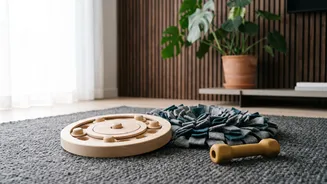
When packing for your dog, focus on items that provide a sense of security. Dogs navigate the world through scent, so bringing items that smell familiar is crucial. A favourite blanket, a bed, or even a worn T-shirt with your scent on it can help ground your pet in the new space. This tells your dog that this strange room is a safe extension of their home. Also, pack their regular food and bowls. A sudden change in diet combined with a new environment can lead to digestive upset. Sticking with their usual bowls, rather than new travel ones, further reduces the novelty of the situation. Don't forget a few favourite toys and some long-lasting chews or puzzle toys to keep them occupied.
Recreating the Routine in a New Room
Dogs thrive on predictability, and maintaining their daily schedule is the most important thing you can do to reduce their anxiety. Try to stick as closely as possible to their normal times for feeding, walks, and bathroom breaks. Consistency builds trust and reassures them that even though the place is different, their core world remains stable. Upon arrival, allow your dog to explore the room on a leash at their own pace. Set up a 'safe zone' with their bed and familiar toys in a quiet corner. This gives them a personal space to retreat to when they feel overwhelmed.
Managing Downtime and Anxiety
A hotel stay often involves more downtime in a small space than your dog is used to. Boredom can lead to unwanted behaviours like barking or chewing. This is where enrichment comes in. Use puzzle feeders, lick mats, or stuffed Kongs to give their brain a workout. Chewing is a natural stress-reliever for dogs, so having appropriate items on hand is essential. If you have to leave your dog alone in the room—and the hotel policy permits it—make sure they are settled and have something to occupy them. If your dog is crate-trained, bringing a collapsible crate can be invaluable, as it provides a secure and familiar den. A dog that associates its crate with rest will settle more easily.
Exercise and Exploration
Maintaining your dog's exercise routine is vital for both their physical and mental well-being. Regular walks provide the stimulation they're used to and help them adjust to the new environment. Soon after check-in, take your dog for a good walk to burn off any energy from the journey and to familiarise them with the area's smells. Exploring local dog-friendly parks or trails can also be a great way to make the trip enjoyable for them, turning the vacation into an adventure you share. Remember to always be a considerate guest by keeping your dog leashed in public areas and cleaning up after them immediately.