







A Paradise for Conscious Travellers
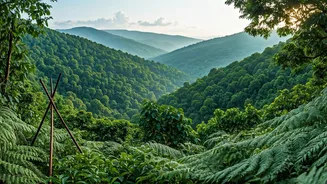
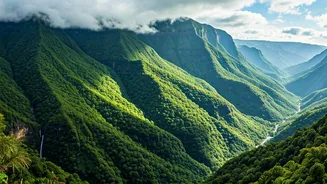
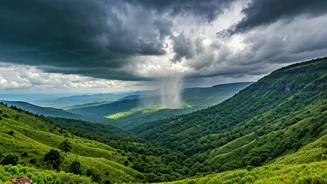
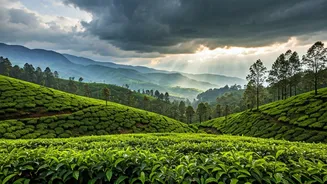
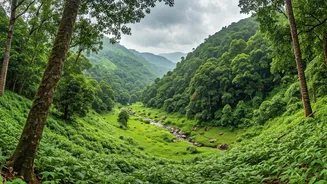
Nestled in the Western Ghats, Wayanad is more than just a destination; it's a vibrant ecosystem. Its landscape, a patchwork of coffee and spice plantations, dense forests, and mist-clad mountains, makes it a sanctuary for biodiversity and a dream for outdoor
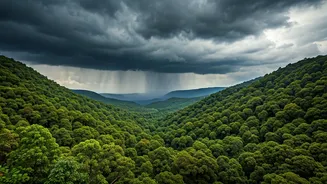
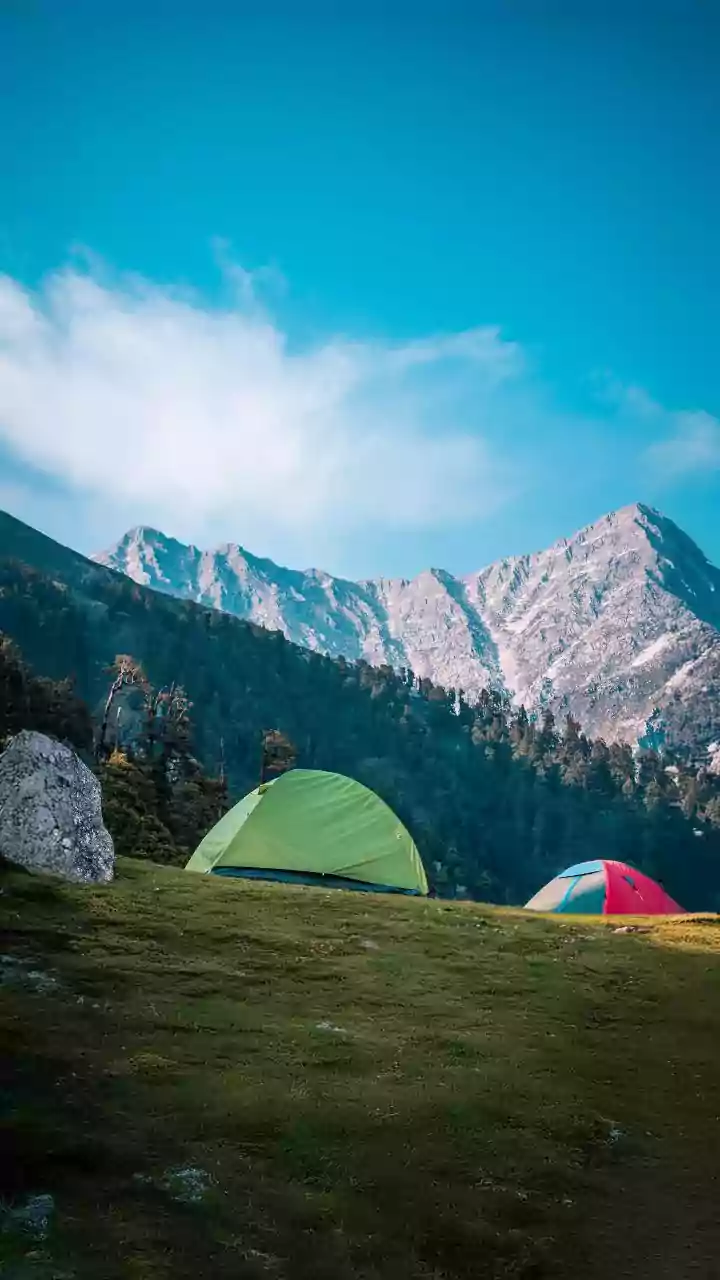
lovers. As the monsoon recedes, leaving behind a world washed clean and bursting with life, the region’s camping trails come alive. This isn't about luxury resorts; it's about trading concrete walls for a canopy of stars and air-conditioning for the cool mountain breeze. The growing interest in eco-camping here reflects a shift towards more mindful travel, where the experience is defined not by extravagance but by authentic connection to nature.
Understanding the 'Eco' in Camping
Eco-camping in Wayanad is fundamentally different from a casual pitch-your-own-tent affair. It’s a curated experience designed to minimise environmental impact while maximising community benefit. Reputable organisers operate on a strict 'Leave No Trace' policy. This means everything you bring in, you take out. Campsites are often set up in designated zones to prevent soil erosion and disturbance to wildlife. Many are run by local communities or employ local guides, ensuring that tourist revenue directly supports the people who call these hills home. Amenities are basic but sufficient—clean toilets, simple meals often cooked with local produce, and the invaluable expertise of a guide who knows the forest’s secrets.
Where to Pitch Your Tent
While wild camping is restricted to protect the fragile ecosystem, several organised eco-campsites offer safe and spectacular experiences. Areas around Meppadi and Vythiri are popular hubs, offering access to stunning viewpoints and trekking routes. Camps near Chembra Peak provide a base for one of Wayanad’s most iconic treks, with the heart-shaped lake being a major draw. Other operators have sites tucked away in private estates, offering seclusion amidst sprawling plantations. Instead of looking for a specific pin on a map, the best approach is to contact certified eco-tourism providers in Wayanad. They can guide you to a location that matches your fitness level and interests, whether it's bird-watching, trekking, or simply unwinding by a campfire.
Planning Your Green Getaway
The prime season for camping in Wayanad is from September to March, when the weather is pleasant and the trails are accessible. A typical eco-camping package includes the tent, sleeping bags, guided treks, campfires, and meals. It’s crucial to book in advance, especially during long weekends and holidays, as sites have limited capacity to maintain their low-impact ethos. When you book, ask about the group size, the difficulty of the included treks, and the amenities provided. This ensures there are no surprises and you are well-prepared for an immersive outdoor stay. Remember to carry a government-issued ID, as it is often required for registration at forest check-posts or campsites.
Pack Smart, Camp Responsibly
Your packing list should be as sustainable as your intentions. Opt for a reusable water bottle to avoid single-use plastics. Carry a small bag to collect any personal trash. Essential gear includes sturdy trekking shoes, warm clothing for the chilly nights, a raincoat or poncho for unexpected showers, a torch with extra batteries, and a personal medical kit. Insect repellent is a must, but consider natural options. Most importantly, pack a mindset of respect. Keep noise levels low to avoid disturbing wildlife, do not feed any animals, and stick to the designated trails. Your goal is to leave the valley as pristine as you found it, ensuring that future generations of campers can also enjoy its untouched beauty.