


Go Back to the Source with Grains
Many of our most beloved breads and snacks have slowly shifted from wholesome ingredients to refined ones. The simplest, most impactful change you can make is swapping refined flour (maida) for whole wheat flour (atta). This applies not just to rotis
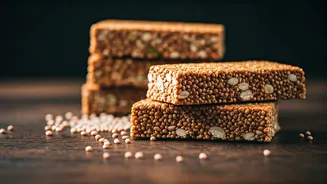
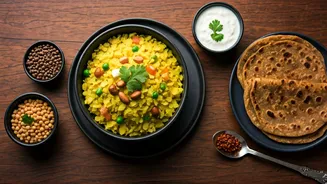
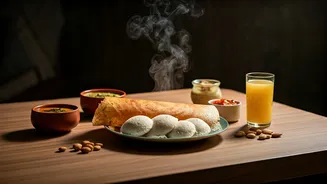
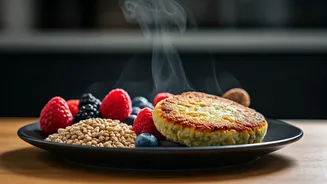
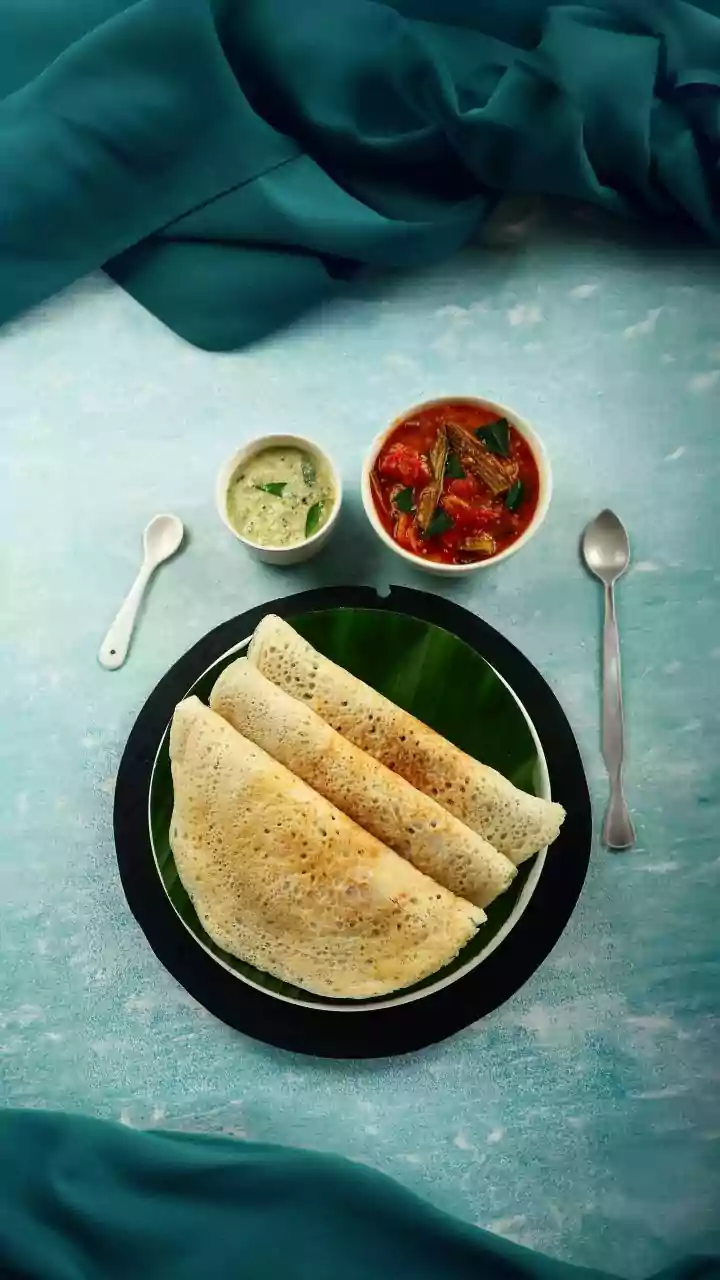
and parathas, but also to snacks. Consider making baked samosas with a whole wheat crust or using millet flours like ragi or jowar to create nutrient-dense dosas and cheelas. These whole grains are rich in fibre, which aids digestion, helps manage blood sugar levels, and keeps you feeling full for longer. It’s a small change in the pantry that leads to a big difference on your plate.
Rethink Your Relationship with Oil
Indian cooking is often unfairly criticised for being too oily. While deep-frying is a part of our culinary heritage, it was never meant for daily consumption. The first step is moderation. Use a measuring spoon for your tadkas instead of free-pouring oil. The second step is choosing better fats. Traditional fats like ghee (in moderation) and cold-pressed mustard, coconut, or groundnut oils have better nutritional profiles than highly processed refined vegetable oils. Finally, explore alternative cooking methods. An air fryer can produce wonderfully crisp pakoras and cutlets with a fraction of the oil. Roasting vegetables with spices in the oven brings out their sweetness without needing a kadhai full of oil. Steaming is another brilliant, traditional technique perfect for dishes like dhokla and idli.
Lean into the Power of Spices
Our spice box is a treasure chest of health benefits. Before 'superfoods' became a buzzword, our ancestors were already using them. Turmeric (haldi) is a powerful anti-inflammatory. Ginger (adrak) aids digestion and fights nausea. Cumin (jeera) is packed with antioxidants, and fenugreek (methi) can help regulate blood sugar. Instead of relying solely on fat, sugar, and salt for flavour, be generous with your spices. They add incredible depth and complexity to dishes, allowing you to reduce the unhealthy components without anyone noticing. A well-spiced dal or sabzi is far more satisfying than a bland dish loaded with cream or butter.
Swap Refined Sugar for Natural Sweetness
Our love for mithai is legendary, but the reliance on refined white sugar is a modern problem. Traditional Indian sweets often used healthier alternatives. Jaggery (gur) is a fantastic substitute; it’s unrefined and retains minerals like iron and magnesium. You can easily replace sugar with jaggery in kheer, ladoos, and chikkis. Other excellent options include date paste, which adds fibre and a rich, caramel-like flavour, or pureed fruits like bananas and apples to sweeten dishes naturally. By making this swap, you’re not just cutting out empty calories; you’re adding nutritional value back into your favourite treats.
Make Vegetables the Star
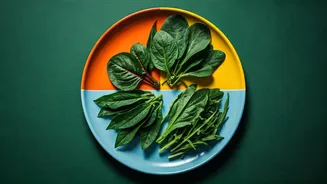
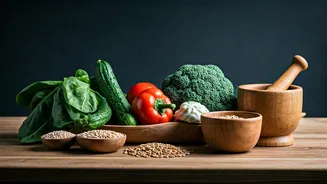
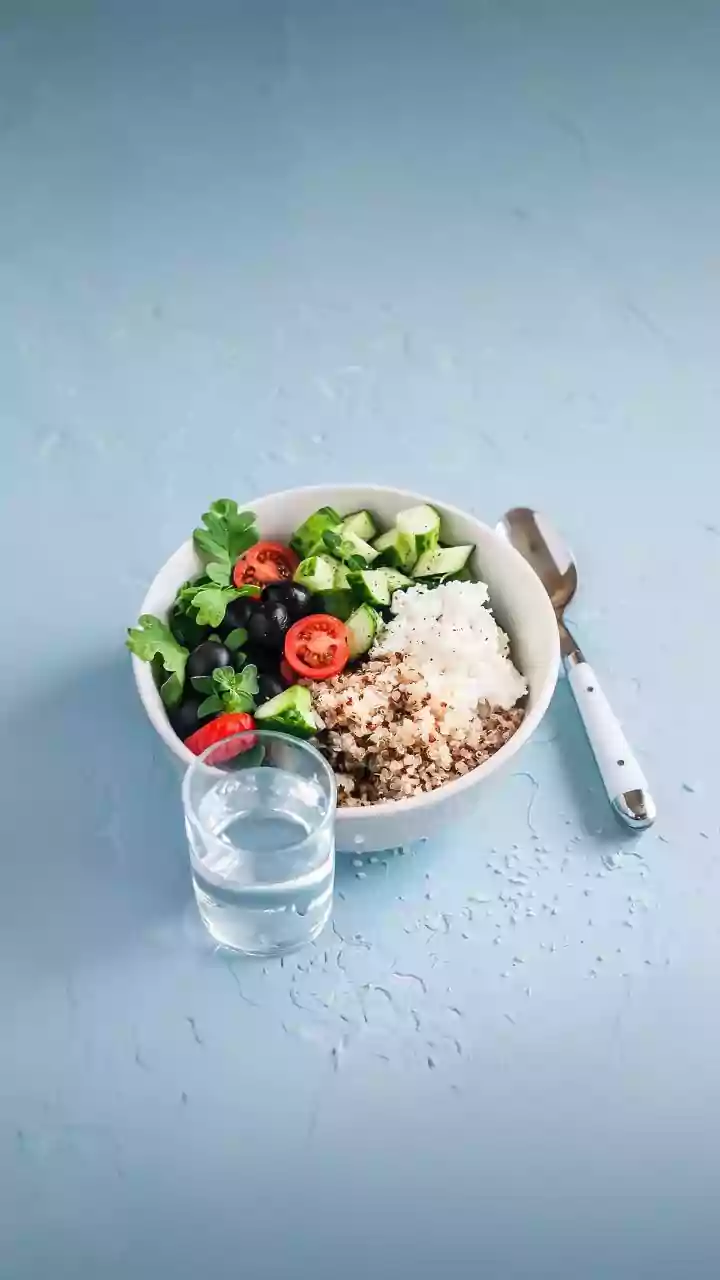
Don't treat vegetables as a mere side dish. A traditional Indian thali is a masterclass in balanced eating, giving vegetables a prominent place. Make sabzi, bhaji, and poriyal the largest component of your meal. Incorporate a variety of colours to ensure a wide range of vitamins and minerals. Grate vegetables like carrots, zucchini, or bottle gourd (lauki) into your paratha or dosa batter to increase their nutritional content without altering the taste significantly. A simple kachumber salad or a bowl of raita with cucumber and tomato is an easy way to add raw, fibre-rich vegetables to any meal, helping you feel fuller and improving your gut health.