






The US midterm elections are over, but instead of providing clarity, the results have left global investors with a familiar sense of unease. A divided government in Washington was widely expected, yet the certainty of gridlock is no cure for anxiety.
A Predictable Outcome, A Muted Reaction
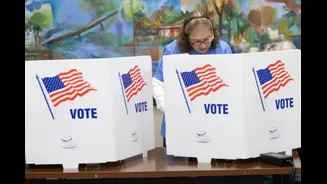
As the dust settled on the November 2026 US midterm elections, the outcome was one that polls and pundits had largely forecast: a divided government. While the exact margins were closely watched, the result is a political landscape where the White House and Congress are controlled by opposing parties. Historically, markets have often reacted positively to such gridlock, viewing it as a safeguard against radical policy shifts that could disrupt the economy. Initial market reactions were mixed, with some indices seeing a brief relief rally before settling down. This muted response suggests investors believe the election has changed the political players but not the fundamental economic game.
Why Gridlock Isn't Easing Nerves This Time
Typically, Wall Street sees political gridlock as a positive, as it makes it harder for either party to pass sweeping legislation, such as major tax changes or large spending packages. This can create a stable and predictable environment for businesses. However, the current economic climate is far from typical. The primary concerns for the global economy are not the threat of new laws, but existing problems like persistent inflation and the path of interest rate hikes by the US Federal Reserve. A gridlocked Congress may be unable to agree on fiscal measures to support the economy if it weakens, or to address pressing issues like the national debt ceiling, which is expected to be a point of contention in 2027. This potential for political brinkmanship over essential financial housekeeping is a significant source of uncertainty.
Inflation and the Fed Remain in the Driver's Seat
Ultimately, the midterm elections are a sideshow to the main event: the battle against inflation. Central banks worldwide, led by the US Federal Reserve, have been raising interest rates to cool rising prices. These policies have a far more direct and powerful impact on market performance than the composition of the US Congress. Investors are now shifting their focus back to macroeconomic data—inflation reports, employment figures, and consumer spending—to guess the Fed's next move. The election results do little to change the Fed's mandate or its determination to bring inflation under control, meaning the economic headwinds that have buffeted markets all year remain firmly in place.
The View from India: A Mixed Bag
For Indian markets, the implications of US political gridlock are nuanced. A potential positive is a weaker US dollar, which often accompanies periods of political uncertainty in the States. A softer dollar makes Indian exports more competitive and can increase foreign investor flows into emerging markets like India, as US assets become relatively less attractive. Furthermore, gridlock might reduce the likelihood of aggressive US trade and tariff policies, offering some relief to global supply chains. However, the bigger drivers for the Indian market will continue to be domestic factors like corporate earnings, along with global fundamentals such as crude oil prices and foreign institutional investor (FII) flows, which are more influenced by global economic health than by US politics alone.