


Our Cosmic Neighborhood
Our solar system is far from empty. It's filled with millions of asteroids and comets, ancient remnants from its formation. Those with orbits that bring them close to Earth are known as Near-Earth Objects (NEOs). While most pose no threat, a small fraction
are classified as Potentially Hazardous Asteroids (PHAs) based on their size and proximity to Earth's orbit. An impact from an object just a few dozen meters wide could cause significant regional damage. The 2013 Chelyabinsk event, caused by a meteor only about 20 meters across, injured over a thousand people and served as a stark reminder of the threat from even relatively small space rocks. Understanding and tracking these objects isn't just a scientific curiosity; it's a matter of planetary security.
The Global Watchtowers
No single nation can monitor the entire sky alone. Protecting Earth is a global, collaborative effort. At the forefront is NASA's Planetary Defense Coordination Office (PDCO), which is tasked with detecting, tracking, and coordinating the response to potential impact threats. Its European counterpart is the European Space Agency's (ESA) Planetary Defence Office, part of its Space Situational Awareness (SSA) programme. These efforts are unified under the banner of the International Asteroid Warning Network (IAWN), a UN-endorsed collaboration of observatories and space agencies worldwide. IAWN acts as a global clearinghouse for observations, ensuring that once an object is spotted, data is shared and analyzed by experts across the globe, including from members like the Indian Space Research Organisation (ISRO).
Eyes on the Sky 24/7
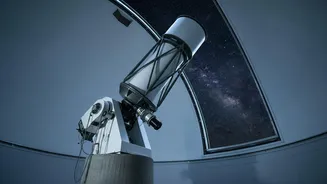
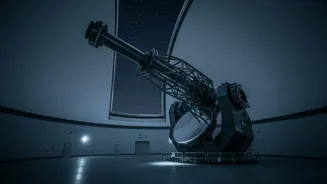
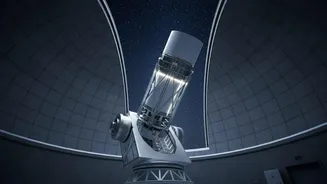
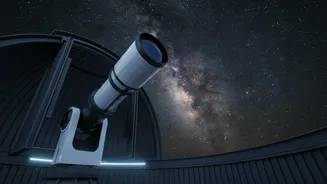
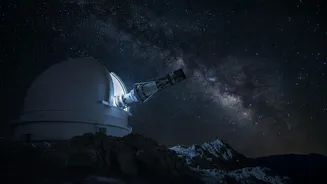
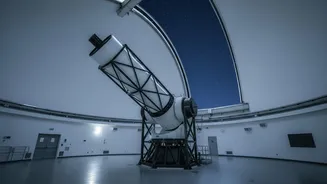
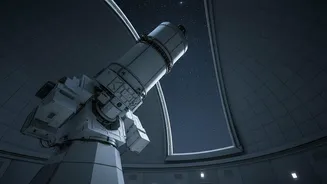
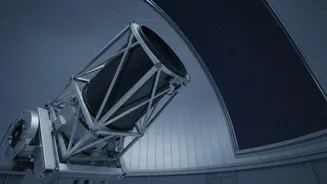
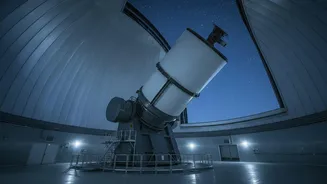
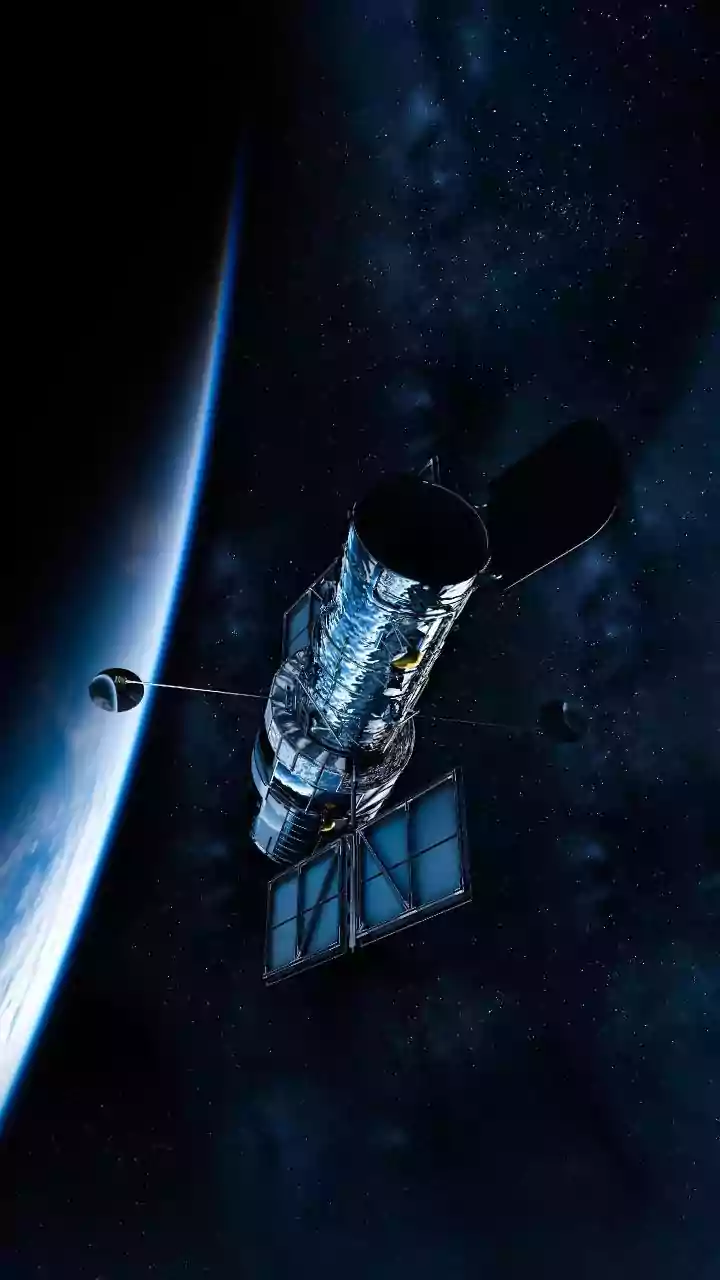
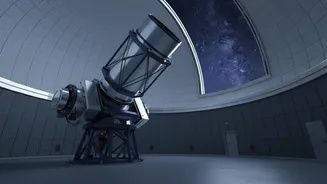
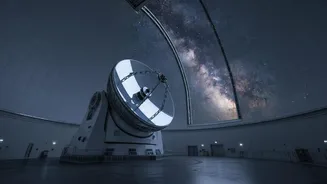
The need for around-the-clock vigilance is simple: Earth is always rotating. A telescope in one hemisphere can't see what's in the sky of the other. As night turns to day in Arizona, it becomes night in Chile or South Africa, allowing for a continuous, unbroken watch. This is the principle behind systems like the Asteroid Terrestrial-impact Last Alert System (ATLAS). Initially comprised of two telescopes in Hawaii, ATLAS expanded to include facilities in Chile and South Africa, making it the first survey capable of scanning the entire dark sky every 24 hours. Other key players include the Catalina Sky Survey (CSS) in Arizona and Pan-STARRS in Hawaii. These ground-based surveys are complemented by space telescopes like the now-decommissioned NEOWISE, which used infrared to find asteroids by their heat signatures.
How Detection Works
Detecting an asteroid is a sophisticated process. Survey telescopes take a series of images of the same patch of sky minutes apart. Computer software then analyzes these images, looking for any 'dots' that have moved against the fixed background of stars. This process generates thousands of potential candidates every night. Once a potential NEO is flagged, the data is immediately sent to the Minor Planet Center (MPC), the internationally recognized clearinghouse for all NEO observations. From there, other observatories around the world are alerted to perform follow-up observations. These additional data points help scientists at centers like NASA's Center for Near-Earth Object Studies (CNEOS) to calculate the object's precise orbit, size, and composition, and to determine if it poses any future risk to Earth.
From Warning to Action
Finding an asteroid is only the first step. The ultimate goal of planetary defense is to prevent an impact. If a credible threat is identified, IAWN communicates the findings to the Space Mission Planning Advisory Group (SMPAG), another UN-endorsed body. SMPAG comprises space agencies from around the world and is responsible for assessing options for deflecting a threatening asteroid. These can range from kinetic impactors—as successfully demonstrated by NASA's DART mission in 2022—to other technologies still under study. The earlier a threat is detected, the more time we have to act, and the less force is needed to nudge an asteroid onto a safe path. This is why upcoming missions like the NEO Surveyor space telescope, slated to launch around 2028, are so critical for finding hazardous objects when they are still far away.