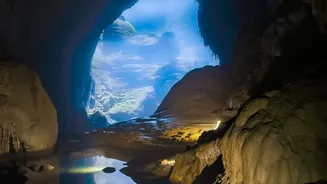



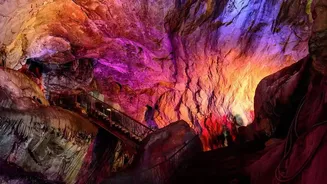
Forget narrow passages and muddy crawls. Imagine boarding a train that plunges you deep into the earth, revealing a subterranean world of cathedral-sized halls and mythical creatures. This is Slovenia's Postojna Cave, an experience that reinvents caving.
An Adventure by Rail
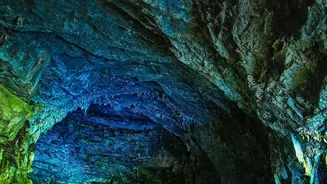
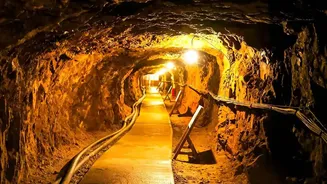
The journey into Postojna Cave is unlike any other. Long before you see its most famous formations, you'll board the world's only double-track cave railway. This isn't a slow, timid crawl; the electric train whisks you along a 3.7-kilometre track, through tunnels that open into breathtakingly large caverns. The ride itself is a thrilling introduction, as millions of years of geology sweep past you in the cool, 10°C air. This unique railway has been a feature of the cave for over 140 years, first opening in 1872 when guides pushed the carts by hand. Today's modern train makes the vast, 24-kilometre cave system accessible to everyone, setting the stage for the walking tour that follows and immediately distinguishing it from a typical spelunking trip.
A Subterranean Palace
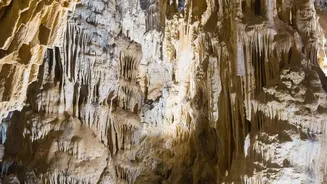
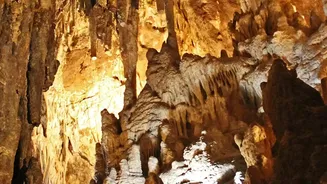
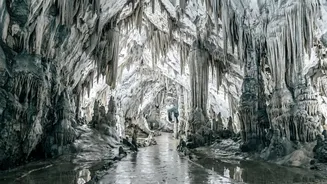
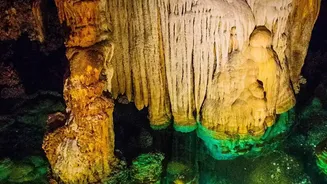
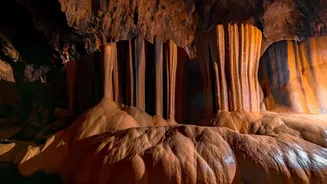
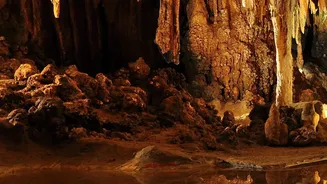
Once you disembark, you enter a world that feels more like a fantasy epic than a natural wonder. The sheer scale is astounding. You'll walk through a series of chambers, including the cavernous Concert Hall, which is so large it can hold 10,000 people and is known for its remarkable acoustics. The path, part of a 5-kilometre route open to the public, is well-maintained and free of strenuous climbs. The cave is a gallery of limestone artistry, sculpted by the Pivka River over millions of years. The most iconic formation is the 'Brilliant', a five-metre-tall, gleaming white stalagmite that has become the symbol of the cave. Nearby stands a slender pillar, and together they form a mesmerising spectacle that is the result of water slowly depositing thin layers of calcite over millennia.
Meet the Legendary Baby Dragons
Postojna's most famous residents are the olms (Proteus anguinus), blind aquatic salamanders that locals once believed were the offspring of a dragon living deep inside the cave. These fascinating creatures are the world's largest cave-dwelling animal and can live for up to 100 years, sometimes going without food for a decade. They are perfectly adapted to the darkness, with pale, translucent skin and no eyes. Near the end of the tour, you can see these 'baby dragons' in a specially designed aquarium, which is part of a major conservation effort. In 2016, the world watched as a female olm laid eggs that successfully hatched, a rare event that led to 21 surviving young and provided invaluable knowledge to scientists studying these vulnerable creatures.
A Destination Steeped in History
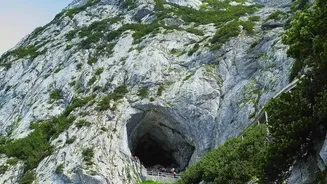
The cave has been a tourist attraction since 1819 and a pioneer in innovation. It had electric lighting installed in 1884, even before Ljubljana, Slovenia's capital. Beyond the natural wonder, the cave system is intrinsically linked to the nearby Predjama Castle, the world's largest cave castle, located just 9 kilometres away. This medieval marvel is built into the mouth of a 123-metre-high cliff and connected to the cave network via secret tunnels. These passages famously allowed the outlaw knight Erazem of Predjama to withstand a yearlong siege in the 15th century, using them to secretly gather supplies. Visiting both sites provides a powerful narrative of natural splendour and human ingenuity.