






The Modern Weekend Rut
Our weekends have become dangerously predictable. We escape our work-from-home desks only to trap ourselves in a different kind of bubble: the air-conditioned, algorithm-approved loop of mall-multiplex-restaurant. It’s efficient, clean, and utterly devoid
of surprise. We navigate familiar brand stores, eat at chain restaurants serving standardised meals, and watch the same films as everyone else. While there's comfort in familiarity, these experiences often leave us feeling strangely empty, as if we’ve consumed a weekend without truly living it. We scroll through our phones for options, pick the highest-rated new spot, and find ourselves in a space that looks just like the last one. This isn't relaxation; it's a checklist. And it’s draining our weekends of their restorative power.
Defining 'Old-Town Energy'
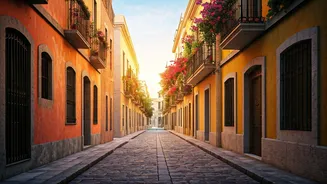
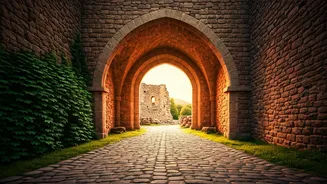
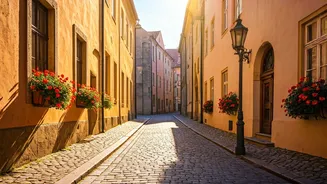
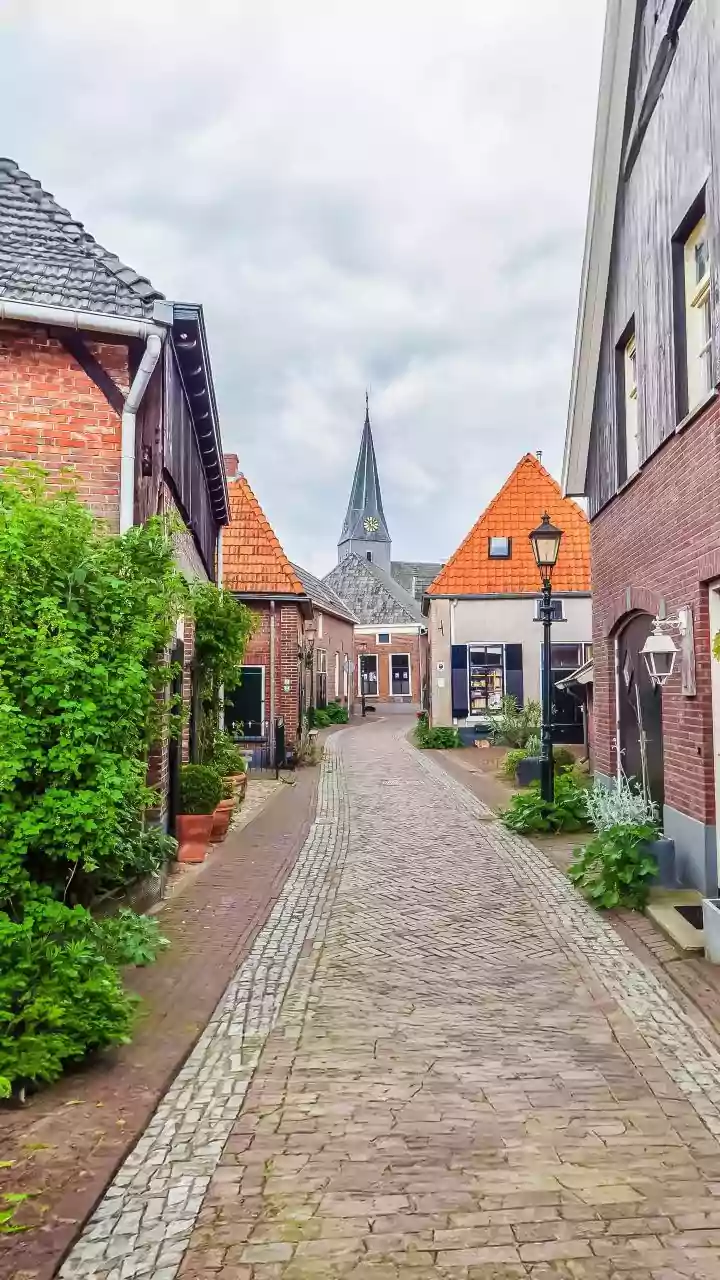
So, what exactly is ‘Old-Town Energy’? It’s the opposite of the predictable loop. It’s the feeling you get when you turn a corner in a centuries-old lane and discover a tiny shop selling handmade notebooks. It's the aroma of freshly baked bread from a 50-year-old bakery mingling with the scent of jasmine from a nearby balcony. It’s the texture of worn cobblestones under your feet, the sound of vendors calling out, and the sight of architecture that tells a story. This energy is found in the historic cores of our cities—the ‘purani dilli,’ the Portuguese quarter, the colonial-era cantonment, or the bustling trading bazaars that predate shopping malls by centuries. It’s not about being ‘old’ in a derelict way; it’s about being layered, authentic, and unapologetically human-scaled.
Trading Malls for Mazes
Choosing old-town energy means trading the curated experience of a mall for the joyful serendipity of a maze. In a mall, the path is set. In an old town, the point is to get a little lost. Every turn is an invitation to discover something new: a forgotten haveli with intricate woodwork, a quiet courtyard cafe run by the same family for generations, an artisan hammering silver in a tiny workshop, or a street food vendor whose recipe has been perfected over decades. These places don't have PR teams or influencer marketing budgets. Their value lies in their authenticity and the stories they hold. You don’t just shop or eat; you participate in a living ecosystem of culture and commerce that has evolved organically over time.
The Simple Joy of Inefficiency
Modern life is obsessed with optimisation. We want the fastest delivery, the quickest route, the most efficient workout. Old-town exploration is a rebellion against this. It celebrates inefficiency. It encourages you to walk without a destination, to linger over a cup of chai while watching the world go by, to have a conversation with a shopkeeper that isn’t purely transactional. This deliberate slowing down is where the magic happens. It allows your senses to awaken and your mind to wander. You start to notice small details—the design of a window grille, the way sunlight falls on a colourful wall, the chatter of birds nesting in an old banyan tree. This isn't wasted time; it's time reclaimed for genuine presence and observation, a powerful balm for a screen-saturated brain.
How to Find This Energy Near You
You don't need to live in a heritage city to tap into this. Almost every Indian city has a historic heart, even if it's overshadowed by new developments. Start by looking at a map and finding the original city centre or the oldest market area. Ask older relatives where they used to shop before the malls arrived. Look for neighbourhoods known for specific crafts or communities. The key is to arrive with a spirit of curiosity and no fixed agenda. Put on comfortable shoes, put your phone away (except for photos), and just start walking. Let your curiosity guide you. Follow a unique sound, a delicious smell, or a visually interesting lane. The best plan is to have no plan at all.