







Decoding Bengaluru’s Planting Window
In agriculture, a 'planting window' is the ideal period for sowing seeds to ensure the best possible crop yield. In Bengaluru, this is traditionally linked to the arrival of the monsoons. The primary window, known as the Kharif season, typically starts
with the pre-monsoon showers in late May and gains momentum with the Southwest monsoon from June to September. This period is nature’s own irrigation system, providing consistent moisture, higher humidity, and cooler temperatures that protect young plants from the scorching heat of the preceding summer months. For a balcony gardener, this isn't just a farming term; it's a practical calendar. Aligning your planting schedule with this natural cycle means you're working with the climate, not against it, giving your herbs the best possible start in life.
Why the Monsoon is Your Balcony's Best Friend
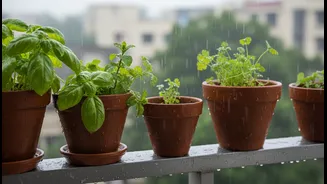
The benefits of planting during the monsoon are numerous. The ambient moisture in the air means the soil in your pots is less likely to dry out completely, which is a common issue during Bengaluru's hot and dry season from March to May. This reduces the pressure of constant watering. The natural rainwater is also softer and free from the chlorine found in treated tap water, which is better for sensitive seedlings. Plants tend to establish their roots more firmly and grow more vigorously during this time. For herbs, many of which can be sensitive, this gentle start is crucial. Instead of fighting against harsh sun and dry air, your potted herbs get a period of nurturing growth, which is especially helpful for beginners.
Your Monsoon Balcony Herb Starter Kit
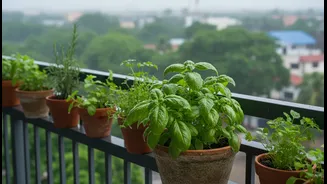
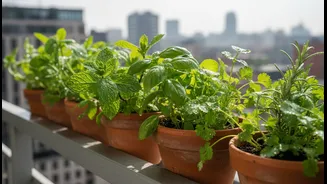
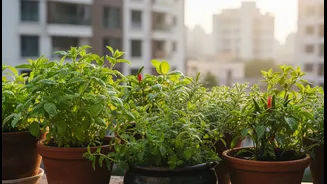
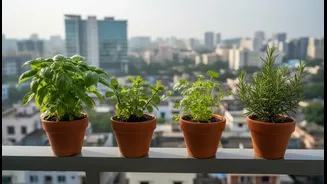
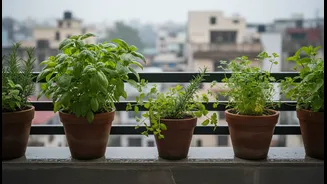
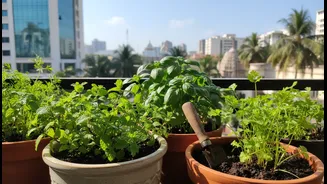
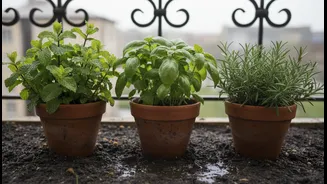
Bengaluru's climate is famously moderate, allowing many herbs to grow, but some varieties positively thrive during the monsoon. Mint (Pudina) is a fantastic choice, as it loves moisture and humidity and grows incredibly fast in containers. Holy Basil (Tulsi) is another robust option, known for its resilience and cultural significance. It does well with the ambient light on many balconies. Coriander (Dhania), a staple in Indian kitchens, prefers cooler weather and can be sown in batches throughout the monsoon to avoid bolting, which happens when the plant flowers prematurely in intense heat. Lemongrass also does well with the available rain and adds a wonderful fragrance to your balcony space.
Essential Monsoon Container Care
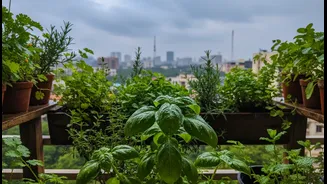
While the rain is a blessing, too much of a good thing can cause problems in containers. The number one enemy of balcony plants during the monsoon is waterlogging, which leads to root rot. Ensure every pot has adequate drainage holes at the bottom. It's also wise to use a well-draining potting mix. A common recommendation is a blend of garden soil, compost, and cocopeat, which retains moisture without becoming a swamp. If your balcony is exposed to heavy, driving rain, consider moving sensitive plants to a more sheltered spot or placing them under an overhang to avoid their soil being completely washed out or the leaves being damaged. Good air circulation between pots is also important to prevent fungal issues that can arise in the high humidity.
Gardening Beyond the Rains
As the main monsoon season tapers off around September and October, you enter a new phase. This post-monsoon period offers another, smaller planting window for what's known as the Rabi season, which benefits from the residual moisture in the environment and cooler winter temperatures. Established monsoon-planted herbs can continue to thrive with proper care. You may need to start watering more regularly as the rains cease. Pruning your herbs regularly not only provides you with fresh ingredients for your kitchen but also encourages bushier, healthier growth, preventing the plants from becoming long and spindly.