



Beyond Butter Chicken and Dosa
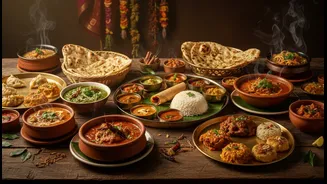
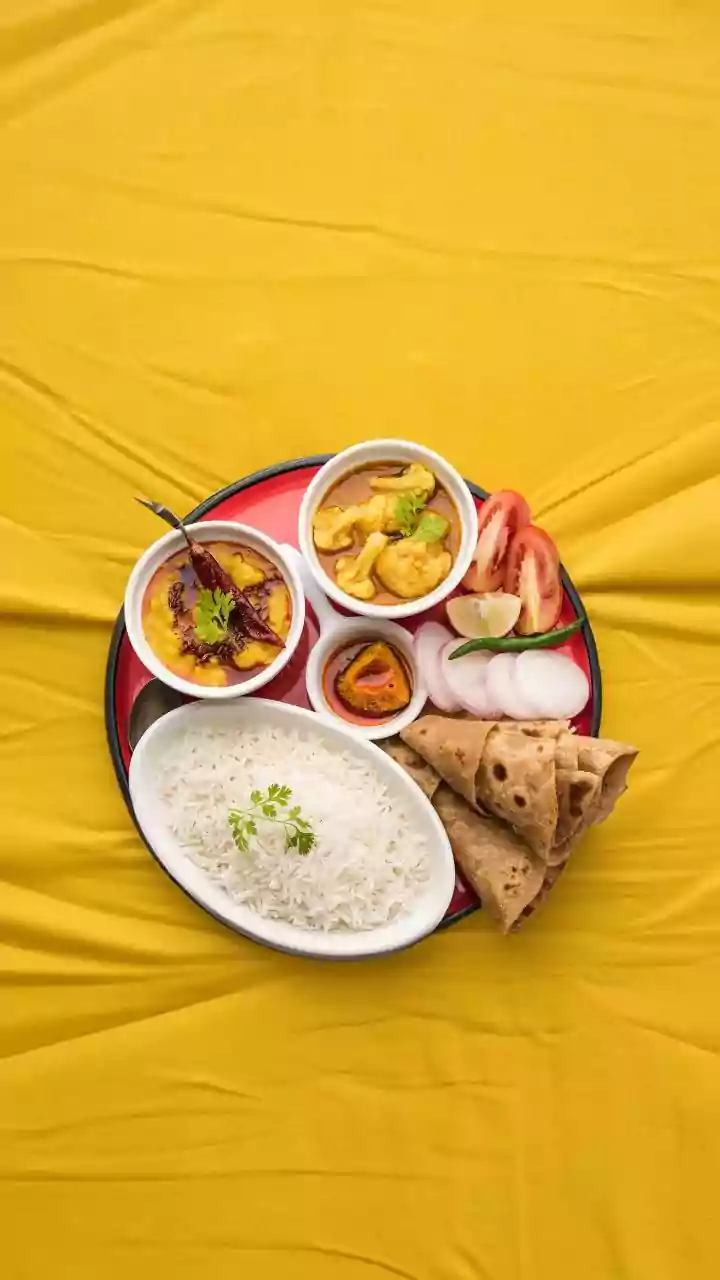
For years, the Indian restaurant landscape was predictably uniform. Menus in major cities often featured the same greatest hits: butter chicken, dal makhani, paneer tikka, and dosa. While delicious and beloved, these dishes represent just a fraction of India's
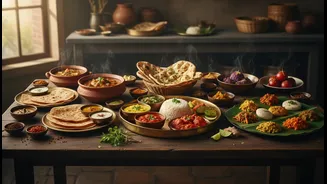
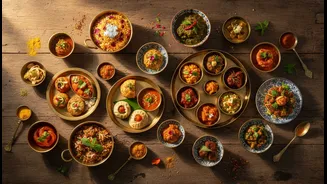
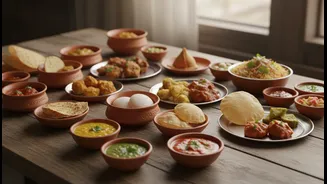
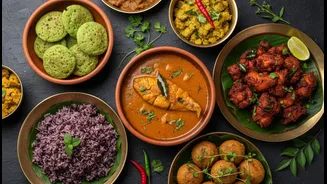
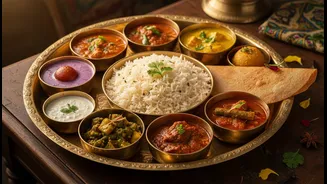
immense culinary heritage. Now, a significant trend is emerging as restaurants move beyond these broad, monolithic categories. They are curating menus that showcase a multitude of regional cuisines under one roof, offering diners a journey across the country on a single plate. Instead of a restaurant being just 'Bengali' or 'Goan', it might offer signature dishes from Kerala, Nagaland, and Rajasthan, celebrating the unique food traditions of specific communities and localities.
The Chefs Championing Diversity
This culinary renaissance is being led by a passionate group of chefs who act as cultural cartographers, preserving and celebrating India's edible heritage. Chefs and restaurateurs are delving deep into the nation's culinary roots, unearthing forgotten recipes and celebrating indigenous ingredients. Pioneers like the late Floyd Cardoz and now Chef Hussain Shahzad at The Bombay Canteen in Mumbai have long championed regional flavours, reimagining classics from across the country. Similarly, Chef Manish Mehrotra of Indian Accent has been instrumental in elevating regional dishes with a contemporary twist, proving that there is a world beyond the usual suspects. Other establishments, like Noon in Mumbai, focus on seasonal ingredients from specific regions like Kashmir and Ladakh, while places like The Potbelly in Delhi have made Bihari cuisine a cult favourite.
An Appetite for Authenticity
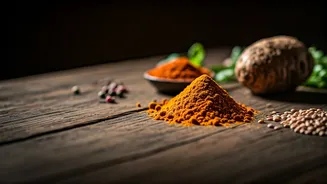
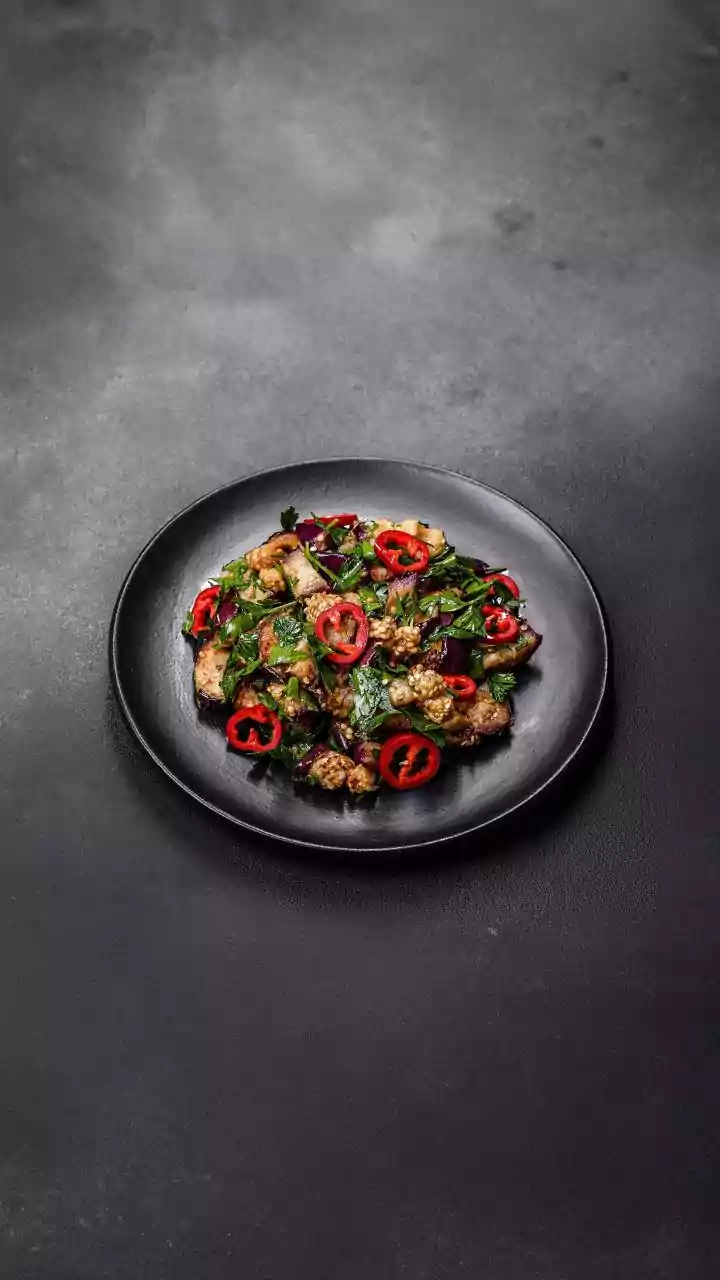
So, why is this happening now? Several factors are fueling this shift. There is a growing curiosity among Indian diners who are eager to explore flavours beyond the familiar. They want meals that tell a story and connect them to different parts of their own country. This movement is also about redefining Indian food on a global stage, moving past the simplified 'curry' stereotype. Chefs are making a conscious effort to highlight the complexity and nuance of India's culinary traditions, from the fiery Chettinad preparations of Tamil Nadu to the subtle, herb-infused dishes of the Northeast. This involves reviving the use of disappearing indigenous ingredients like Manipuri black rice or the Gondhoraj lemon from West Bengal.
The Future of Indian Dining
This trend is more than just a passing fad; it signals a deeper appreciation for the country's rich tapestry of cultures. Restaurants are becoming platforms for culinary education, introducing diners to the home-style cooking of a Kashmiri pandit, the coastal specialities of the Mappila community, or the tribal cuisines of Meghalaya. By focusing on hyper-regional specialities, these establishments are not just feeding their patrons; they are preserving agricultural biodiversity and supporting local food systems. As diners become more adventurous and chefs continue to innovate, the future of Indian dining looks set to be a vibrant and delicious exploration of the country's countless, distinct flavours. The conversation has truly expanded, and every region is invited to the table.