




What Exactly Is Rice Water?
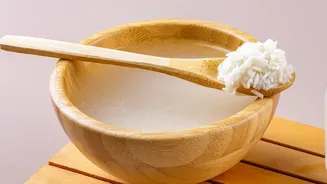
For generations, especially in many parts of Asia, gardeners have used the water left over from preparing rice to nurture their plants. This 'hugas bigas', as it's known in the Philippines, is simply the starchy liquid that remains after you rinse or boil
uncooked rice. Instead of being discarded, this nutrient-rich byproduct can be repurposed into a mild, organic supplement for your plants. It's a sustainable practice that reduces kitchen waste while providing a gentle alternative to synthetic products. The water absorbs water-soluble vitamins and minerals from the rice grains, creating a cloudy liquid that holds surprising benefits for soil health.
The Science of the Soil Boost
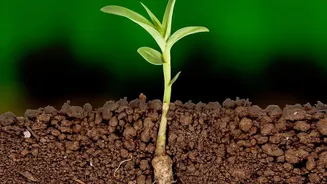
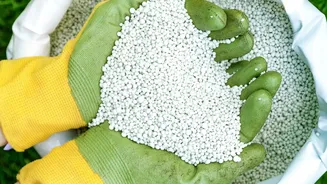
The primary benefit of rice water happens at the microbial level. The liquid is rich in starch, which is a carbohydrate. This starch serves as an excellent food source for beneficial bacteria and fungi already present in the soil. As these microorganisms feast on the starches, they thrive and multiply, helping to break down organic matter and unlock nutrients, making them more available for your plant's roots to absorb. In addition to starch, rice water contains small, trace amounts of the core nutrients found in many fertilisers: nitrogen (N), phosphorus (P), and potassium (K), as well as B vitamins and other minerals like magnesium and zinc. Unlike concentrated chemical fertilisers, rice water delivers these in very low doses, making it a gentle feed that improves the overall soil ecosystem.
How to Prepare and Use Rice Water
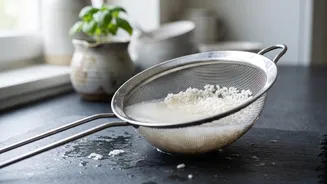
There are two common ways to collect rice water. The simplest method is to save the water from rinsing uncooked rice. Just wash your rice in a bowl, swish it around for a minute until the water becomes milky, and then strain the liquid into a jar. This rinse water can be used directly on your plants. The second method is to use the water left after boiling rice. If you do this, it is crucial that the water is completely unsalted, as salt can severely damage plant roots. Allow the boiled water to cool to room temperature before using it. Since boiled water is more concentrated in starch, it's best to dilute it with an equal part of plain water before applying it to the soil.
Fermented for an Extra Kick
For an even more potent boost, you can ferment the rice water. To do this, collect the rinse water in a jar, cover it loosely with a cloth, and let it sit at room temperature for three to five days. The fermentation process cultivates beneficial bacteria, like lactobacilli, and can increase the concentration of available nutrients. Studies have shown that bacterial populations in the water peak around the three-day mark. Fermented rice water will have a slightly sour smell. Because it is more potent, it should be diluted, often at a 1:1 ratio with plain water, before being applied to the soil.
Best Practices and What to Avoid
While beneficial, rice water is not a complete fertiliser and should be seen as a supplement to, not a replacement for, a balanced plant care routine. Overuse can lead to problems. The starch can build up and form a crust on the soil surface, which may attract pests like fungus gnats or lead to mould growth. A good rule of thumb is to use rice water in place of a regular watering no more than once every one to two weeks. It's most effective on fast-growing plants like vegetables, leafy greens, and many tropical houseplants. Avoid using it on succulents or cacti, which prefer drier conditions. And always, without exception, use water from unsalted rice.