

Embrace Hardy Native Flowers
The smartest choice for a climate-resilient garden is to look at what has always grown here. Native Indian plants are genetically programmed to handle our unique seasons. Hibiscus, for instance, thrives in the warm, humid weather of August, producing
large, colourful flowers almost continuously. Marigold is another favourite that blooms beautifully during the monsoon, adding a vibrant splash of colour while also attracting pollinators. For intoxicating fragrance, Jasmine (Mogra) is a perfect addition, as it grows actively this month. These plants have evolved to withstand local pests and weather patterns, meaning they require less intervention and fewer chemical treatments, making your gardening efforts more sustainable and successful.
Drought-Tolerant Ornamental Stars
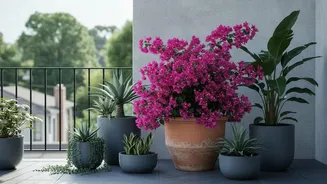
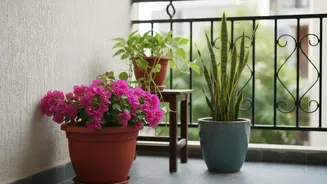
For sunny balconies and garden patches, drought-tolerant ornamentals are a blessing. These plants are experts at water conservation and can handle intense heat. Bougainvillea is a prime example; it actually produces more of its vibrant bracts when slightly water-stressed, making it perfect for a month of inconsistent rain. Similarly, Portulaca, also known as Moss Rose, has fleshy, succulent-like leaves that store water, allowing it to shrug off scorching afternoons. Lantana is another hardy, sun-loving shrub that not only tolerates drought but also attracts butterflies with its beautiful flower clusters. These plants provide maximum visual impact for minimal water, a crucial advantage in our changing climate.
Smart Choices for Your Vegetable Patch
August is an excellent time to grow vegetables that can handle both heat and humidity. Okra (Bhindi) is an easy-to-grow vegetable that produces well in these conditions. Various types of gourds, such as bottle gourd and zucchini, also thrive and can be planted now. For leafy greens, consider Amaranth (Chaulai) instead of more delicate lettuces, as it is better suited to the climate. Many beans and tomato varieties are also suitable for August planting, especially in regions where the heaviest rains have passed. When planting vegetables, ensure your soil is well-draining to prevent roots from rotting during heavy downpours.
The Undeniable Appeal of Succulents
For low-maintenance container gardening, succulents are unmatched. Plants like Aloe Vera, Snake Plant, and ZZ Plant are exceptionally hardy and can tolerate heat, low light, and irregular watering. Their ability to store water in their leaves and stems means they are incredibly forgiving, making them ideal for beginners or busy gardeners. Cacti and other succulents like Echeveria are perfect for spots with intense direct sunlight, requiring very little water to survive and thrive. They offer a modern aesthetic and are a practical way to add greenery without the constant worry of a demanding watering schedule.
Techniques for a Water-Wise Garden
Beyond plant selection, a few techniques can make a significant difference. First, always check the soil before watering. During the monsoon, the top layer may look dry while the soil below is still saturated. Pushing a finger a couple of inches into the soil is the best way to check moisture levels. Second, ensure all your pots have excellent drainage to prevent waterlogging, which is a major cause of root rot in the rainy season. Finally, applying a layer of mulch around your plants can help retain soil moisture during dry spells and prevent soil erosion during heavy rain. These simple habits create a more resilient garden ecosystem.