



A Return to Earthy Aesthetics
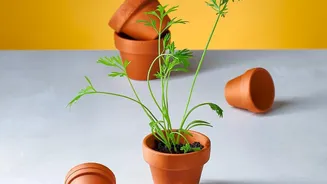
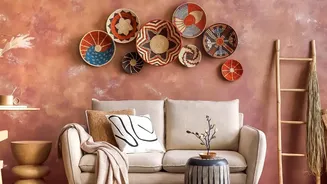
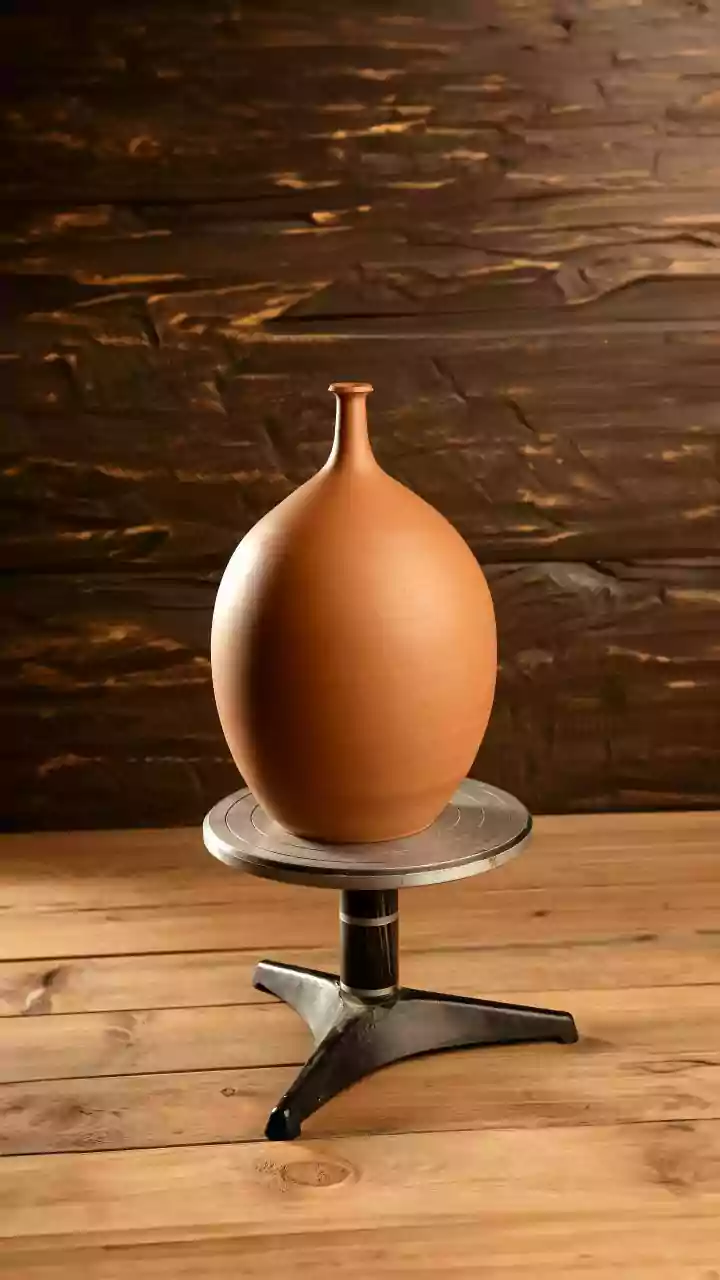
Walk into a home decorated by a member of India’s Gen Z, and you are increasingly likely to find warm, earthy tones replacing the bright, synthetic colours of plastic. The humble terracotta, or ‘baked earth’, once a staple of traditional Indian homes,
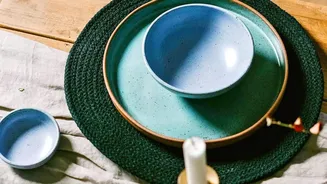
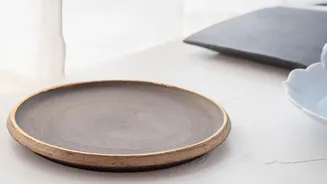
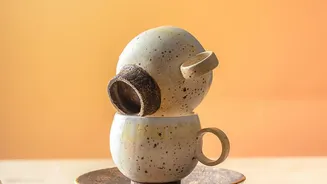
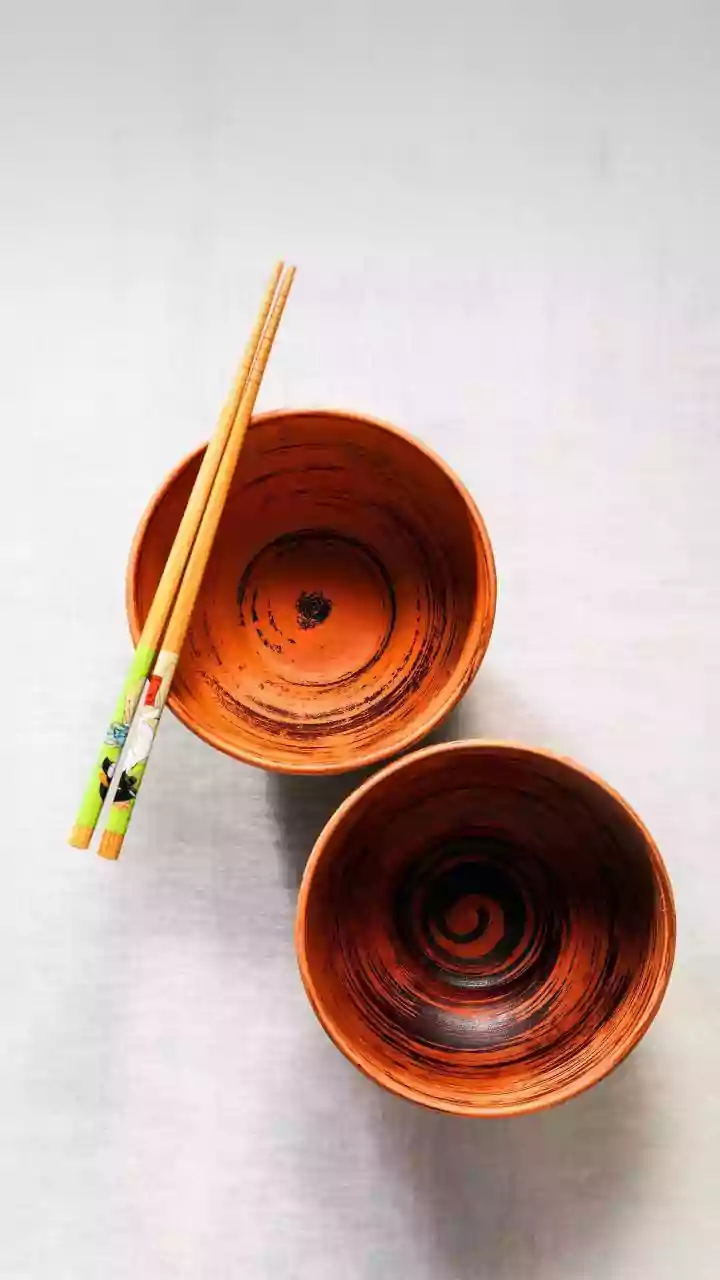
is experiencing a major revival. Its appeal lies in its rustic, timeless charm and natural texture, which stands in stark contrast to the glossy uniformity of plastic goods. For a generation seeking authenticity, the unique imperfections of a handmade clay pot or plate offer a connection to something real. This aesthetic aligns perfectly with popular decor styles like minimalism and bohemian, where natural materials such as wood, cane, and linen are celebrated. The warm, matte surface of terracotta is also incredibly photogenic, making it a star on social media platforms where young decorators curate and share their personal style.
The Sustainability Imperative
For Gen Z, this is not just an aesthetic choice; it’s a statement of values. Having grown up in an era defined by conversations around climate change and plastic pollution, this generation is highly environmentally conscious. Many young consumers in India show a strong preference for sustainable products and are even willing to pay more for them. Terracotta fits this ethos perfectly. It is a natural, biodegradable material that requires significantly less energy to produce compared to plastic or metal alternatives. Unlike plastic, which can take hundreds of years to decompose and leaches harmful chemicals, terracotta returns to the earth without causing harm. This makes choosing a clay ‘matka’ over a plastic water bottle or serving food in earthenware a conscious act of reducing one’s environmental footprint.
Rediscovering Health and Wellness
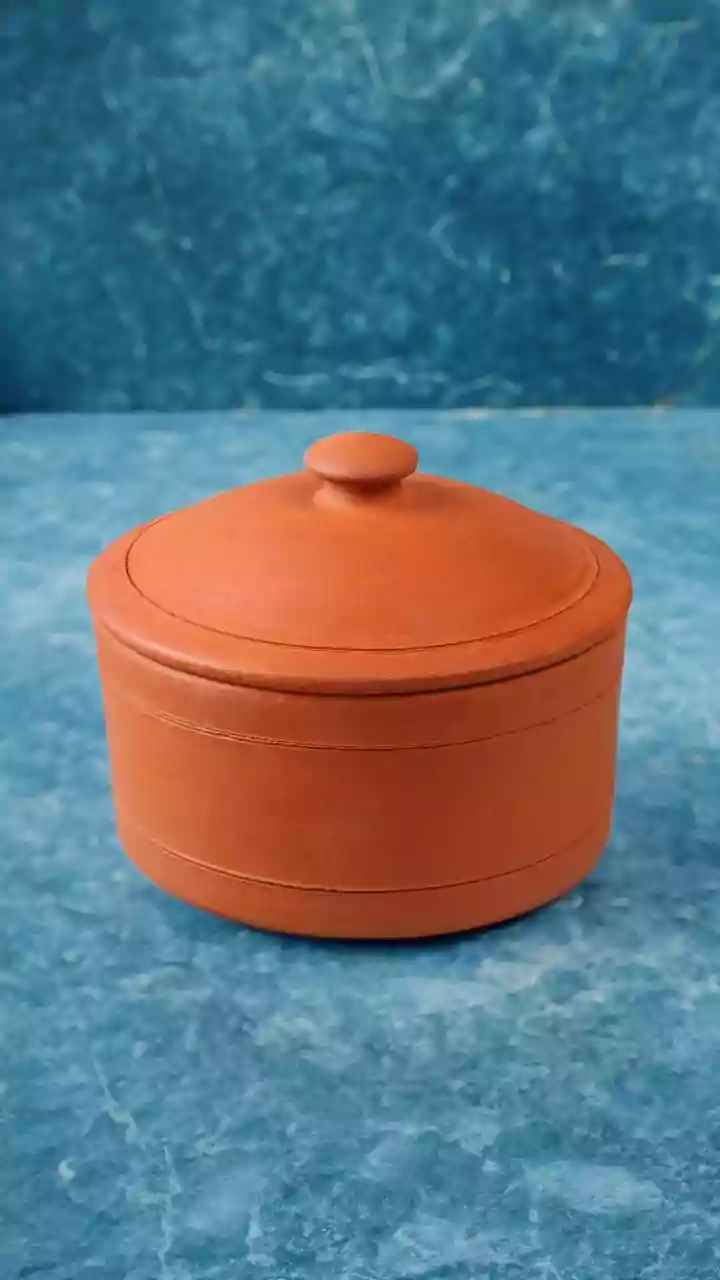
The trend also taps into a renewed interest in traditional wellness practices. Our grandparents knew that storing water in an earthen pot naturally cools it, a principle of slow evaporation through the clay's porous surface. Beyond cooling, there's a growing awareness of the health benefits of using terracotta. Cooking in clay pots allows for slow and even heat distribution, which helps retain the nutritional value of food. Since the clay is alkaline, it can help neutralize the pH balance of acidic foods, making them healthier. Furthermore, unlike some plastic containers or non-stick pans, terracotta is free from synthetic chemicals, ensuring that no harmful substances leach into your meals. For a health-conscious generation, these benefits make terracotta an attractive and sensible choice for the kitchen.
Championing Local Artisans
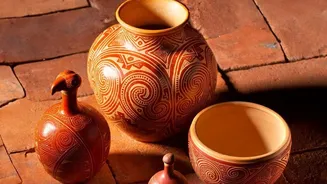
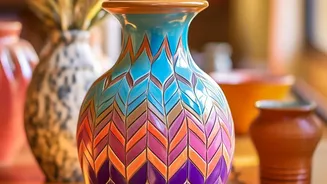
This shift towards terracotta is also fuelling a much-needed revival of India’s rich pottery traditions. For generations, skilled artisans have crafted beautiful and functional terracotta items, but many have struggled to compete with mass-produced alternatives. By choosing handcrafted pottery, Gen Z consumers are directly supporting these local craftspeople and helping to preserve their invaluable heritage. This conscious consumerism reflects a broader movement to value local products and the stories behind them. Initiatives and online platforms that connect artisans from pottery hubs like Khurja and Jaipur directly with urban consumers are playing a crucial role in this revival, ensuring that these ancient skills continue to thrive in the modern world.