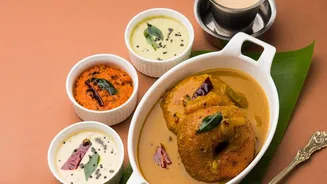


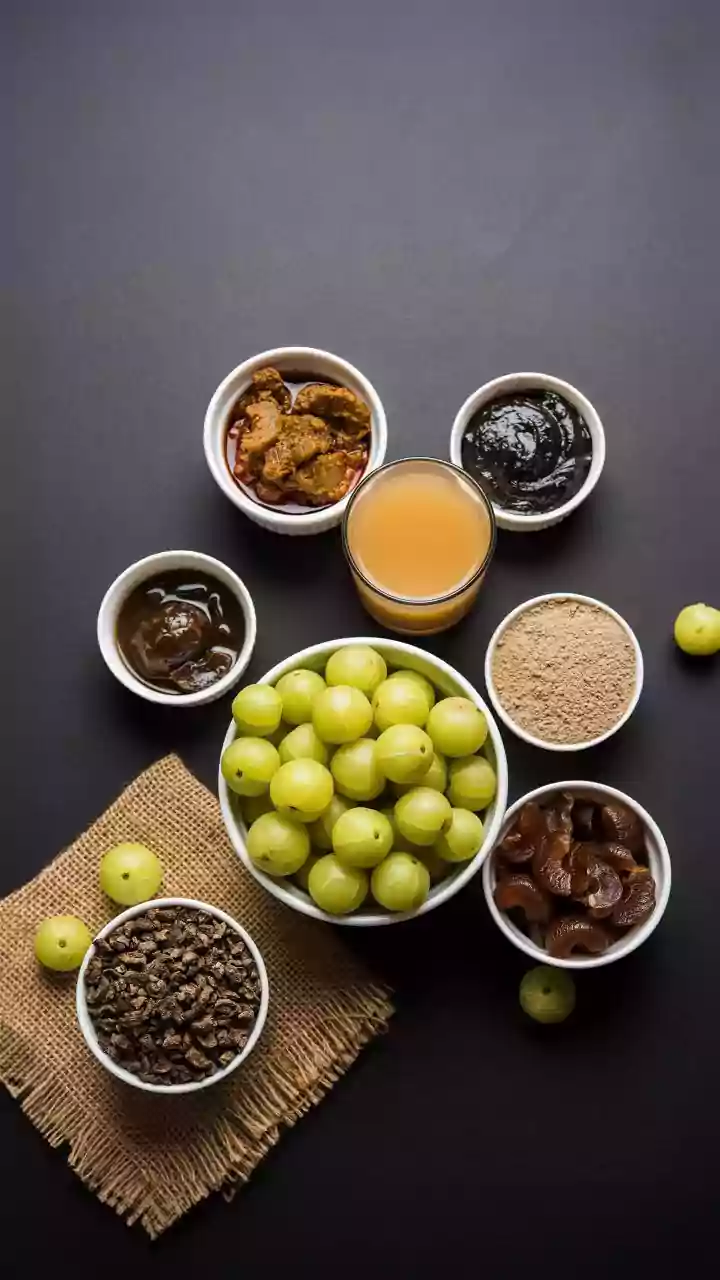

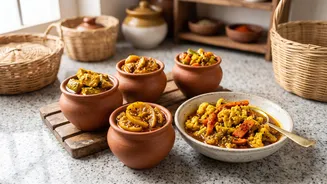
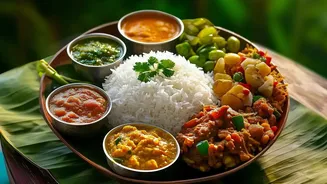

Move over, ketchup. A quiet revolution is happening in Indian city kitchens, as home cooks and food lovers turn away from mass-produced sauces in favour of complex, flavourful, and authentic regional chutneys that tell a story with every bite.
A Return to Our Roots
For decades,
the urban Indian pantry has been dominated by a handful of standardized condiments. But a growing desire for authenticity and a connection to culinary heritage is changing that. City dwellers are increasingly seeking out the specific, potent flavours of their childhoods and ancestral homes. This isn't about the familiar mint or tamarind chutneys found in most restaurants; it's about discovering and celebrating the vast, hyper-regional world of Indian condiments that were traditionally ground on a stone slab, or 'silbatta', in family kitchens. From the fiery punch of a Maharashtrian thecha to the pungent kick of a Bengali kasundi, these chutneys are a direct link to the diverse gastronomic landscape of India.
Flavours That Tell a Story
Each regional chutney is a lesson in local ingredients and history. In Maharashtra, thecha, a coarse paste of green chillies, garlic, and often peanuts, is a rustic staple eaten with bhakri or added to spice up a simple meal. It’s a taste of the state's agricultural heartland—bold, direct, and incredibly versatile. Meanwhile, in Bengal, kasundi is a revered fermented mustard sauce with a sharpness that can be as eye-watering as wasabi. Traditionally prepared with great ritual, this golden, pungent relish cuts through the richness of fried snacks and adds a distinctive zing that is quintessentially Bengali. These are not just recipes; they are edible heirlooms, passed down through generations and deeply intertwined with a region's identity.
The Rise of the Homepreneur
This renewed interest has been fueled by a wave of small-scale entrepreneurs, many of them home cooks, who are turning their family recipes into small businesses. Brands like Jayashri Homemades, Farm Didi, and Chutnefy are making regional specialties accessible to a wider urban audience. Using social media and e-commerce platforms, these 'homepreneurs' ship small, freshly made batches of everything from Andhra-style peanut podi to Himalayan apple chutney directly to customers. They champion preservative-free recipes and traditional methods, appealing to a growing consumer base that values purity, health, and the story behind their food. This movement empowers local economies and helps preserve culinary traditions that might otherwise be lost.
More Than Just a Condiment
The appeal of these chutneys goes beyond just flavour. For many urbanites living away from their hometowns, these tastes are a powerful source of nostalgia and comfort. A spoonful of a particular chutney can evoke memories of a grandmother's kitchen or a festive family meal. Furthermore, in an era of growing health consciousness, these homestyle preparations are seen as a healthier alternative to factorymade sauces laden with sugar, preservatives, and artificial flavours. Made with fresh, natural ingredients like herbs, spices, lentils, and vegetables, they align with a modern focus on clean eating without sacrificing taste. The trend is not just about eating better, but about feeling more connected to what we eat.