







What Exactly Is the Pineapple Method?
The pineapple method is a protective hairstyle used to preserve curls while you sleep. It involves gathering your hair into a very loose, high ponytail positioned on the crown of your head. The name comes from the way the curls spill forward and outward,
resembling the leafy top of a pineapple. The logic is simple: by keeping your hair piled on top of your head, you prevent it from being crushed and flattened between your head and the pillow as you toss and turn. This simple adjustment drastically reduces friction, which is the primary cause of frizz, tangles, and loss of curl definition overnight.
The Key Benefits for Your Curls
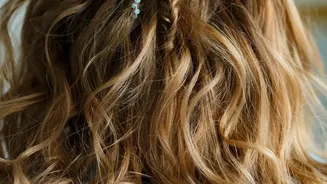
Incorporating this technique into your nightly routine offers several major advantages. First and foremost, it maintains curl definition and bounce, meaning you wake up with hair that looks much closer to how it did on wash day. It also significantly reduces frizz and prevents tangles by minimizing contact with your pillowcase. This protection against friction also leads to less breakage over time. Ultimately, the pineapple method saves you valuable time in the morning, as your hair requires far less refreshing and restyling to look its best.
How to Pineapple Your Hair: A Step-by-Step Guide
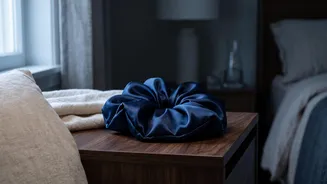
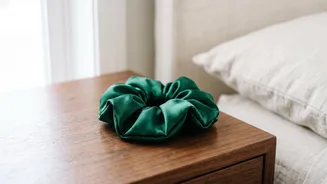
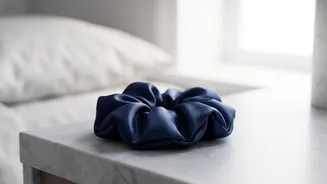
Mastering the pineapple takes only a few moments before bed. Start with fully dry hair, as styling damp hair this way can lead to flattened, misshapen curls. First, flip your hair forward so it all falls towards the floor. Gently gather your curls into a loose ponytail at the highest point of your head, close to your forehead. Secure it with a soft, satin or silk scrunchie, wrapping it only once. The ponytail should be loose enough that it doesn't pull on your roots or cause a headache; if it feels tight, it will create a crease. For added protection, you can then cover your pineapple with a silk or satin bonnet or sleep on a satin pillowcase to further minimize friction.
Common Mistakes to Avoid
While simple, there are a few common errors that can undermine the pineapple's effectiveness. The most frequent mistake is tying the ponytail too tightly. A tight band will leave a noticeable dent in your hair and can cause tension at the roots. Another error is using the wrong kind of hair tie. Standard elastics or cotton scrunchies can snag hair and create frizz; always opt for satin or silk. Finally, never pineapple wet or even damp hair. Hair is most fragile when wet, and gathering it this way can stretch the curl pattern and lead to breakage.
Modifications for Different Hair Lengths
The classic pineapple works best for medium to long hair, but it can be adapted. If you have very long hair that feels heavy in one ponytail, you can create a looser bun instead or split your hair into two separate, high ponytails to better distribute the weight. For those with short hair that can't be gathered into a single ponytail, the 'multi-pineapple' is an excellent solution. This involves creating several smaller ponytails across the top of your head. If your hair is too short even for that, forgoing the ponytail and simply wearing a satin bonnet or wrapping your hair in a silk scarf will still offer significant protection against frizz and flattening.
The Morning After: The Takedown
In the morning, the goal is a gentle release. Carefully remove the scrunchie without pulling or tugging at your curls. Flip your head back over and use your fingers to gently shake the roots and fluff your hair back into place. Most of the time, your curls will fall back into shape with minimal effort. For any areas that look a bit flat or have lost definition, a light mist of water or a curl refreshing spray is usually all that's needed to revive them. Avoid adding heavy products, as this can weigh down your second-day curls.