





Master Your Drainage System
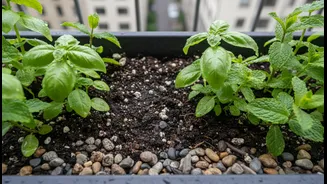
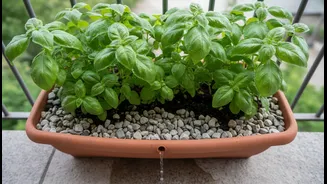
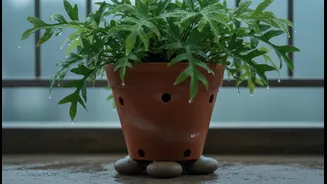
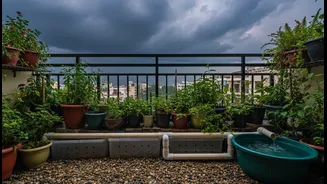
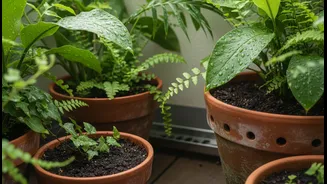
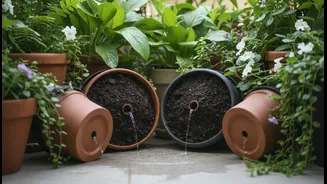
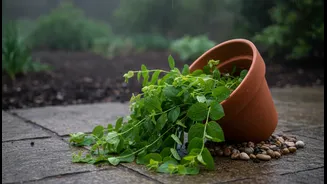
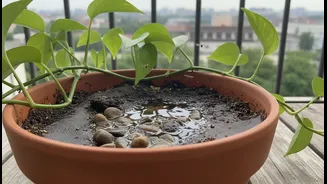
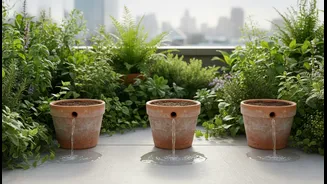
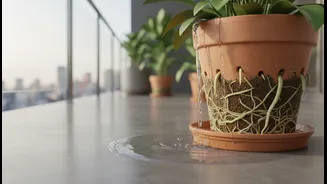
The single biggest threat to plants during the monsoon is waterlogged soil, which suffocates roots and leads to rot. Your first line of defence is ensuring excellent drainage. For potted plants, check that drainage holes are clear and unobstructed. Elevating
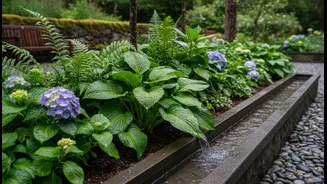
pots on bricks, tiles, or simple plant stands allows excess water to escape freely and prevents them from sitting in puddles. For garden beds, consider creating raised beds, even just 15 to 30 centimetres high, to keep roots above the soggiest ground. You can also improve the soil structure itself by mixing in materials like compost, sand, or coco peat, which enhance aeration and prevent compaction from heavy rainfall.
Rethink Your Watering Schedule
It might seem counterintuitive, but you still need to monitor your plants' water needs during the monsoon. Don't assume the rain is doing all the work. The key is to avoid overwatering. Before adding any more water, check the soil moisture by sticking your finger about an inch or two deep. If it feels moist, hold off. Indoor plants are especially vulnerable, as high humidity slows down soil drying. When you do water, aim for the morning so that any excess moisture on the leaves has a chance to evaporate during the day, and direct the water to the soil at the base of the plant, not onto the foliage, to discourage fungal growth.
Guard Against Fungal Foes
High humidity and damp conditions create a perfect breeding ground for fungal diseases like powdery mildew, root rot, and leaf spots. Prevention is crucial. Ensure good air circulation by giving your plants enough space and avoiding overcrowding. Regular pruning helps improve airflow around the leaves and stems. Make it a habit to remove any yellowing, dead, or diseased leaves promptly to prevent issues from spreading. For an organic preventive measure, a diluted spray of neem oil applied every 10-15 days can effectively fight off common fungal infections and pests.
Keep Unwanted Pests Away
The rainy season also signals the arrival of pests like snails, slugs, aphids, and mealybugs that thrive in wet environments. Regularly inspect your plants, paying close attention to the undersides of leaves where pests often hide. Removing fallen leaves and other debris from around your plants eliminates potential hiding spots for these unwanted guests. Companion planting can be a strategic, natural defence; for instance, planting marigolds near tomatoes can help deter certain pests. For active infestations, organic solutions like neem oil or a simple soap water spray are effective and safe for your garden's ecosystem.
Provide Support and Prune Regularly
Heavy rain and strong winds can physically damage plants, breaking stems and toppling taller species. Provide structural support for vining or top-heavy plants like tomatoes and bougainvillea using stakes or trellises. Pruning is also extra important during this season. Trimming away excess or dense growth not only improves air circulation but also helps the plant dry faster after a downpour. Removing spent flowers and damaged leaves allows the plant to direct its energy toward healthy new growth, ensuring it remains robust throughout the season.