






Beyond the Picture-Perfect
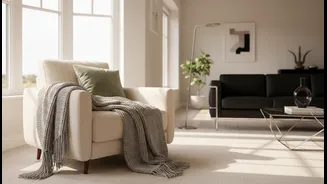
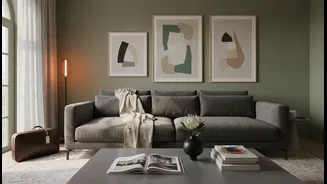
Scroll through any design-focused Instagram or Pinterest feed, and you’ll be met with a sea of pristine, minimalist interiors. The cushions are always karate-chopped, the books are colour-coordinated, and there’s not a single stray object in sight. While
beautiful to look at, these showroom-like spaces can feel sterile and unapproachable. Perfection creates pressure. It suggests that life—with all its beautiful messiness—should be hidden away. But a home is not a museum exhibit; it's the backdrop to our lives. The constant pursuit of flawlessness can leave us feeling like we're living in a display case, afraid to put a foot wrong or a mug down without a coaster. This is especially true in smaller flats, where every square inch is precious and lived-in. The good news is that a growing movement is pushing back, celebrating character over conformity and personality over perfection.
The Wisdom of Wabi-Sabi
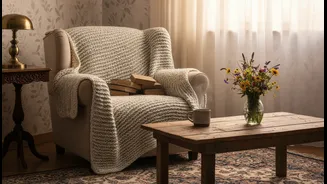
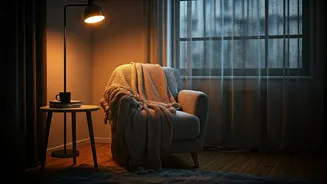
At the heart of this shift is the ancient Japanese philosophy of wabi-sabi. At its core, wabi-sabi is about finding beauty in imperfection and accepting the natural cycle of growth and decay. In decor, this translates to an appreciation for objects that show their age and history. Think of a hand-me-down wooden table with a few scratches, a favourite ceramic mug with a slightly uneven glaze, or the soft, worn texture of a much-loved textile. These are not flaws; they are stories. Unlike minimalism, which can sometimes feel cold, wabi-sabi is warm and forgiving. It doesn’t demand that you get rid of your things, but rather that you choose them with intention and appreciate their unique character. It teaches us that the cracks and patinas that develop over time are what give an object—and a home—its soul. It’s a philosophy that allows your space to breathe and evolve with you.
Your Home, Your Story
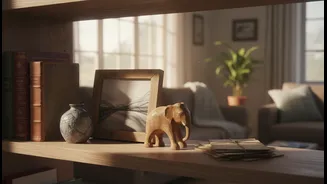
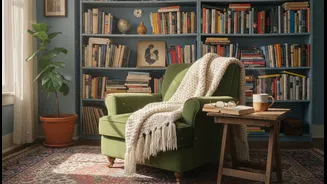
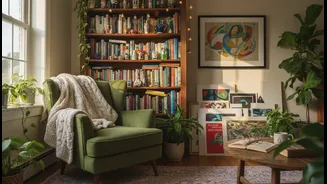
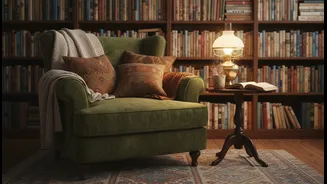
An imperfect home is a home that tells a story. It reflects the people who live there, their travels, their relationships, and their passions. Instead of generic art prints, a gallery wall might feature a mix of family photographs, children’s drawings, and postcards from a memorable holiday. A bookshelf that isn’t perfectly styled but is overflowing with books you’ve actually read reveals more about your personality than any curated object ever could. To make your flat feel more human, start by shopping from your own history. Unpack that box of heirlooms from your grandmother. Display the quirky souvenir you picked up on a trip. Frame the concert ticket from a special night out. When you surround yourself with items that hold personal meaning, your home becomes a living scrapbook. It stops being a space designed to impress others and starts being a sanctuary that nurtures you.
Small Flat, Big Personality
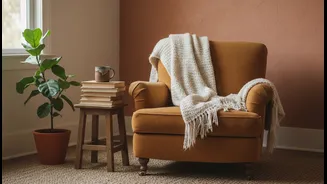
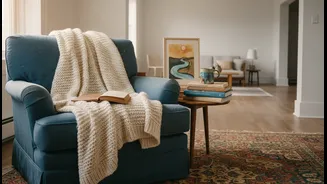
The concern in a small flat is that 'imperfect' can quickly turn into 'cluttered'. But the two are not the same. The key is curation, not chaos. In a compact space, every item should earn its keep, either through its function or its meaning. Don't be afraid to mix old and new. Pair a sleek, modern sofa with a vintage side table that has a bit of wear. Use your parents’ old brass tiffin boxes as planters. This contrast creates visual interest and depth. Embrace asymmetry; things don't always need to be in matching pairs or perfectly centred. An off-centre gallery wall or a collection of mismatched cushions can feel more dynamic and natural. Most importantly, ensure your decor is practical. A stack of books by your bedside isn’t clutter if you’re reading them. A collection of spices on an open shelf is beautiful and functional. The goal is a home that supports your life, rather than one that makes you work to maintain its pristine appearance.