







Working with Your Body's Clock
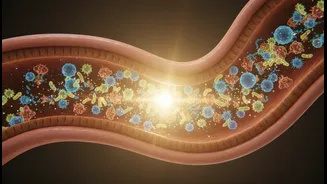
Our bodies run on a 24-hour internal clock called the circadian rhythm, which governs everything from sleep to hormone production. This natural cycle also dictates when our digestive system is at its peak. During the day, our bodies are primed to process
food efficiently, with digestive enzyme production and insulin sensitivity at their highest. This field of study, known as chrononutrition, explores how aligning our meal times with these internal rhythms can optimize health. Research shows that eating in sync with our body's clock, particularly during daylight hours, supports better digestion, metabolism, and overall well-being.
The Midday Meal Advantage
Making lunch your largest meal of the day capitalizes on this peak digestive efficiency. Your body is better equipped to break down food, absorb nutrients, and convert calories into energy around noon. Studies suggest that consuming the majority of your calories earlier in the day is linked to numerous benefits, including improved weight management, more stable blood sugar levels, and lower cholesterol. A substantial midday meal provides sustained energy for the afternoon, preventing the classic post-lunch slump that often follows a light, carb-heavy snack. It can also help regulate hunger hormones, reducing the likelihood of overeating in the evening.
The Trouble with Large, Late Dinners
As the day winds down, so does your metabolism. Eating a large meal late in the evening goes against your body's natural rhythm. When you eat a heavy dinner, your digestive system is forced to work overtime when it should be slowing down for the night. This can lead to a host of uncomfortable issues, such as indigestion, acid reflux, and bloating. Furthermore, research indicates that late-night eating can disrupt sleep quality and may be associated with weight gain and an increased risk for metabolic issues like type 2 diabetes. The body is less efficient at processing glucose in the evening, which can lead to higher blood sugar spikes.
How to Make the Switch
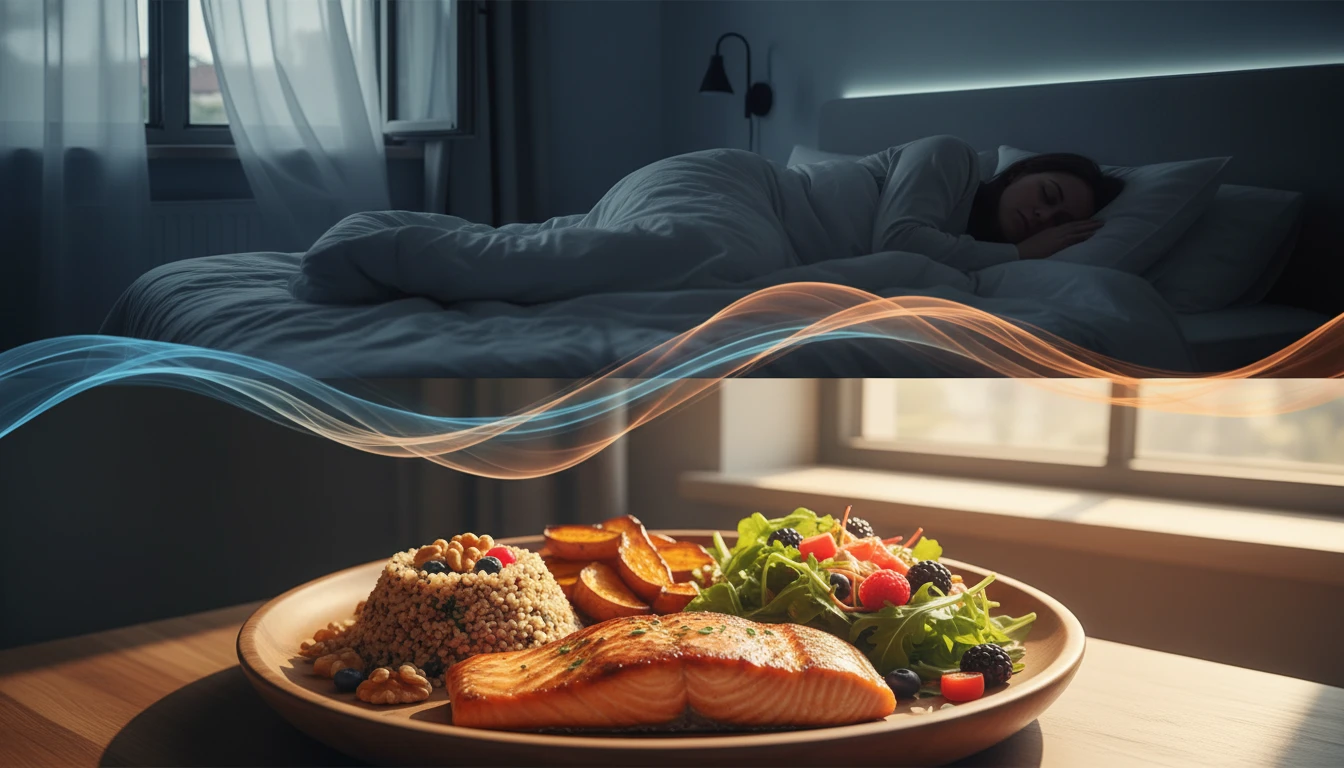
Shifting your largest meal to midday doesn't have to be a drastic overhaul. A gradual approach is often the most sustainable. Start by slightly increasing the portion size of your lunch while making your dinner a little lighter. Planning is key. To avoid grabbing convenient but less healthy options, prepare your lunches in advance. A well-balanced main meal should include lean protein, complex carbohydrates, healthy fats, and plenty of vegetables. A simple strategy is to cook extra at dinner and pack the leftovers for the next day's lunch. For your evening meal, think lighter options like soups, salads, or grilled proteins with vegetables. The goal is to finish eating at least two to three hours before bedtime to allow for proper digestion.
Consistency is Your Ally
Beyond just shifting your main meal, try to eat at roughly the same times each day. A consistent routine helps your digestive system anticipate when food is coming, allowing it to prepare by releasing the necessary acids and enzymes for smooth digestion. Irregular eating patterns can confuse your internal clocks, potentially leading to digestive discomfort and metabolic disruption. By establishing a predictable schedule—a nourishing breakfast, a substantial lunch, and a lighter dinner—you create a rhythm that supports your gut health, energy levels, and long-term well-being.