

The Coastal Guardians Under Threat
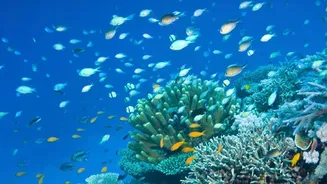
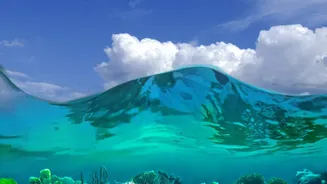
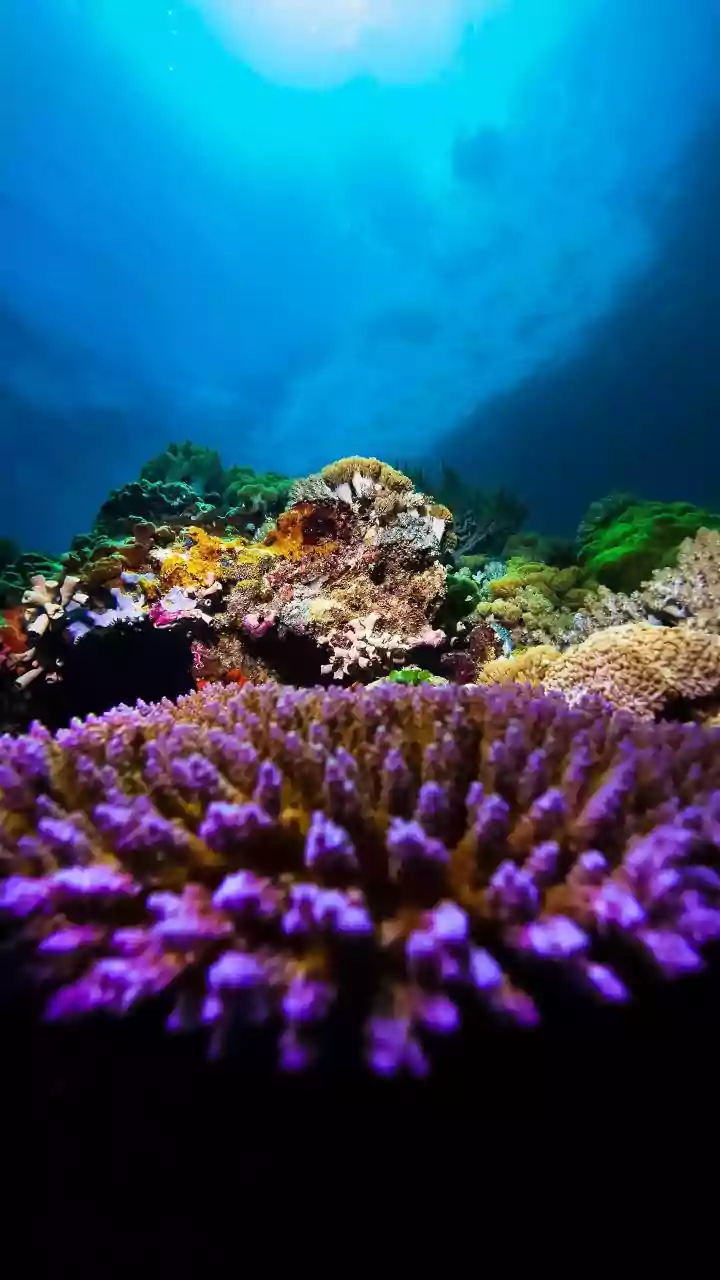
Coral reefs are more than just beautiful underwater gardens; they are critical natural barriers for coastal communities. These complex structures act like submerged breakwaters, absorbing and reducing wave energy by as much as 97 percent. This protection
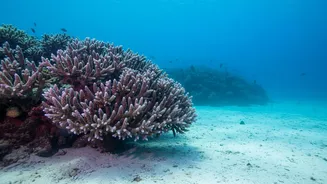
is indispensable, shielding coastlines from erosion, flooding, and the destructive force of storms and tsunamis. Nearly 200 million people worldwide rely on reefs for this protection. However, these guardians are under severe threat from climate change. Rising ocean temperatures cause coral bleaching, a stress response where corals expel the symbiotic algae living in their tissues, turning them stark white and leaving them vulnerable to starvation and disease.
Unlocking Nature's Code for Survival
In the face of widespread bleaching, scientists have observed that some corals survive and even thrive. This capacity to withstand heat stress is known as thermal resilience. The secret often lies in the specific type of symbiotic algae, called zooxanthellae, that a coral hosts. Researchers have found that certain strains of these algae are naturally more heat-tolerant. Corals that partner with these robust algae can better resist bleaching during marine heatwaves. By studying these natural survivors, scientists can identify the genetic traits and symbiotic relationships that confer this life-saving resilience, providing a blueprint for intervention.
Building a More Resilient Reef
Armed with this knowledge, marine biologists are pioneering several techniques often grouped under the term 'assisted evolution'. One key method is selective breeding, where naturally heat-tolerant corals are cross-bred to produce offspring with enhanced resilience. Another approach involves manipulating the corals' algal partners. In lab settings, scientists can expose symbiotic algae to gradually increasing temperatures, effectively training them to withstand greater heat. These 'super algae' can then be introduced to coral larvae, giving the new generation a built-in defense against warming waters. A third technique, called stress-hardening, involves exposing corals to non-lethal levels of heat in nurseries to boost their tolerance before they are transplanted back into the ocean.
From Lab to Lagoon Around the Globe
These cutting-edge efforts are moving from the laboratory into the real world. In Australia, the Great Barrier Reef Foundation is leading large-scale projects to grow and deploy millions of heat-tolerant coral larvae using methods like 'Coral IVF'. In Hawai'i, the 'Restore with Resilience' project identifies naturally resilient local corals, stress-tests them, and uses the strongest colonies to restore damaged reef sites in places like Maunalua Bay. Similar research and restoration initiatives are underway in the Caribbean, where institutions are conducting thermal tolerance experiments to guide more effective restoration strategies in the face of climate change. These global efforts often involve partnerships with local communities, tourism operators, and Indigenous groups, scaling up restoration work.
A Race Against Time
While these scientific advancements offer a powerful ray of hope, experts are clear that they are not a cure-all. Assisted evolution and the out-planting of 'super corals' are tools to help reefs survive in the short term, but they cannot solve the root cause of the problem. The success of these restoration efforts is entirely dependent on global action to reduce greenhouse gas emissions and slow the pace of ocean warming. Without significant climate action, even the most resilient corals will eventually reach their thermal limits. These interventions are designed to buy precious time, helping to keep these crucial ecosystems alive while the world works to address the broader climate crisis.