




The Search for a Healthier Sip
The modern beverage aisle is a paradox of choice. On one hand, you have sugary sodas and artificially sweetened juices linked to a host of health problems. On the other, a growing wave of 'better-for-you' drinks promises everything from enhanced focus
to glowing skin. Amid this noise, a growing number of Indian consumers are turning away from manufactured trends and looking towards tradition. This quest has revitalised interest in a category of drinks that have nourished communities for centuries: fermented tonics made from rice and other local ingredients.
What Are These Ancient Tonics?
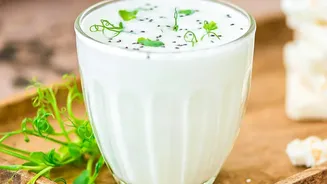
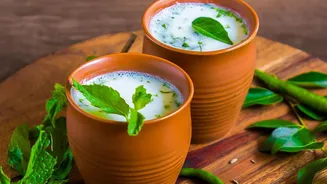
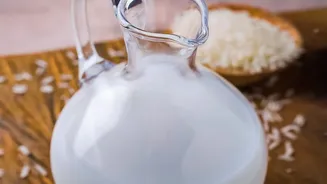
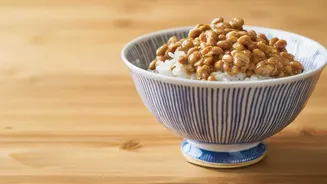
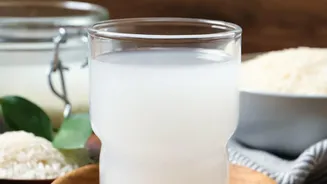
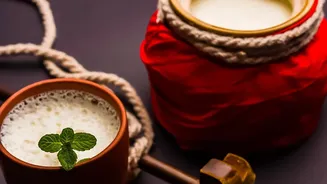
At their core, these are beverages created through the natural process of fermentation. Two prominent examples are Kanji and Handia. Kanji, popular in North India, is traditionally made by fermenting black carrots or beetroot in water with salt and mustard seeds. A lesser-known but equally potent version is Rice Kanji, made by simply soaking cooked rice in water and letting it ferment overnight. This simple process transforms the liquid into a probiotic-rich, slightly sour, and refreshing drink. Handia is a traditional rice beer popular among the tribal communities of states like Odisha, Jharkhand, and West Bengal. It's prepared by mixing boiled rice with 'ranu' or 'bakhar' tablets—starter cultures made from a combination of 20-25 local herbs. The mixture is left to ferment for about a week in earthen pots, resulting in a cloudy, mildly tangy beverage with a low alcohol content. Historically, it has been an integral part of social, cultural, and economic life in these regions.
The Science of Fermentation and Probiotics
The magic of these drinks lies in fermentation. This natural process enlists beneficial microorganisms like lactic acid bacteria (LAB) to break down starches and sugars. The result is a beverage teeming with probiotics—the 'good' bacteria that are crucial for a healthy gut. A balanced gut microbiome is linked to improved digestion, stronger immunity, and even better mental health. In fact, a significant portion of your immune system resides in your gut. Beyond probiotics, the fermentation process makes nutrients more available for the body to absorb. For instance, it breaks down 'anti-nutrients' in rice, unlocking minerals like iron, calcium, and potassium. The process also produces beneficial compounds called postbiotics, such as B vitamins and short-chain fatty acids, which support gut lining and reduce inflammation.
A Modern Revival
Once considered a 'poor man's food' or a rural custom, these fermented drinks are finding a new audience in India's cities. As urban consumers become more discerning about ingredients and wary of hidden sugars, the appeal of a natural, homemade, or locally sourced probiotic drink is undeniable. They offer a stark contrast to commercial sodas and even many packaged 'health' drinks that can be high in sugar or artificial additives. Unlike dairy-based probiotics like curd and chaas, many of these rice-based drinks are vegan. This renewed interest is part of a larger 'back to roots' movement in food and wellness. Entrepreneurs and home chefs are experimenting with traditional recipes, making them accessible to a new generation. While you might not find Handia at your local supermarket yet, Rice Kanji is easily made at home, and brands are beginning to explore the commercial potential of these traditional formulations.
More Than Just a Health Trend
These ancient beverages offer more than just a list of health benefits. They represent a connection to a culinary heritage that prioritised sustainability and gut health long before it became a wellness trend. Handia, for example, is not just a drink but a 'living archive' of plant knowledge and community relationships passed down through generations. Similarly, Rice Kanji (known as Neeragaram or Pazhankanji in the South) has been the morning fuel for farmers for centuries, providing hydration and energy for a long day's work. Choosing these drinks is not just a vote for your health, but also for a food system that is local, sustainable, and rich in cultural history. As we navigate the complex world of modern nutrition, sometimes the wisest answers are the ones that have been with us all along, quietly fermenting in an earthen pot.