



The great Indian annual vacation is no longer the only trip that matters. A new travel pattern is taking hold: the short break. This shift towards more frequent, shorter getaways is reshaping domestic hospitality and hotel booking trends.
The Rise of the Micro-Vacation
Instead of one
long holiday, many Indians are now opting for multiple 'micro-vacations'—short trips of two to four days, often planned around a long weekend. Data from travel platforms shows a significant increase in the number of people taking more than three trips a year, a trend driven by these brief but frequent escapes. This pattern, popular among young professionals, millennials, and Gen Z, is seen as an essential way to unwind from a fast-paced life. The concept of travel has evolved from a discretionary luxury to an integral part of a balanced lifestyle, with a focus on quick, refreshing breaks rather than elaborate, once-a-year expeditions.
What's Driving the Short Break Boom?
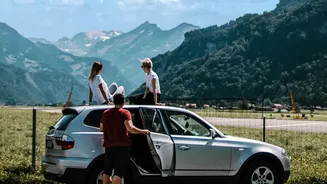
Several factors are fuelling this trend. The rise of hybrid and remote work models has given professionals newfound flexibility, allowing them to blend work and leisure. Many now start their trips a day early by working remotely, turning a regular weekend into a three-day getaway without taking extra leave. There's also a growing focus on mental wellbeing, with experts suggesting that regular short breaks are more effective at preventing burnout than a single long holiday. Affordability is another key driver; a weekend trip is significantly more budget-friendly than a long vacation, making travel more accessible to a wider audience, including middle-class families. Improved infrastructure, such as better highways and regional air connectivity, has also made it easier than ever to plan spontaneous, short-distance trips.
How Hotels Are Adapting
The hospitality industry is quickly responding to this new travel behaviour. Hotels that once relied heavily on weekday corporate travellers are now seeing a welcome surge in weekend occupancy, thanks to staycations and domestic tourists. In response, many are redesigning their offerings. 'Workation' packages, which include highspeed internet and dedicated workspaces alongside comfortable accommodation, are becoming common. Hotels are also curating special weekend packages, often including meals and local experiences to attract the shortbreak crowd. Some are even moving towards more flexible booking models, such as offering rooms by the hour to cater to travellers needing a place for just a few hours between meetings or during a layover. The focus is shifting from just providing a room to creating a complete, curated experience.
A Shift in Booking Behaviour
Booking patterns are changing just as dramatically. The short break trend is characterised by spontaneity, with a significant number of bookings made at the last minute. One report noted that over a third of domestic flights were booked within three days of departure, and many weekend staycations are booked on the Friday of the stay itself. This impulsiveness is creating new challenges and opportunities for hotels, which now have to manage more dynamic pricing and inventory. While travellers on these short trips may travel for fewer days, they aren't necessarily cutting back on comfort; data shows that four and five star hotels are seeing strong booking numbers for these getaways.
New Destinations Take the Spotlight
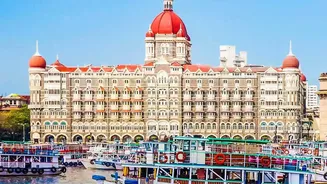
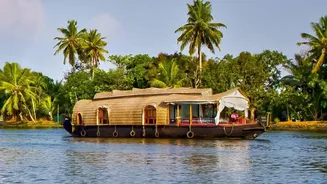
This trend is also redrawing India's travel map. While major cities like Mumbai, Delhi, and Bengaluru are hubs for staycations, the real growth is happening in smaller, Tier‑2 cities and drivable destinations. Travellers are increasingly exploring culturally rich but lesser‑known locations that are a few hours' drive from their homes. Hill stations like Mussoorie and Munnar, and coastal towns such as Varkala and Pondicherry remain popular for quick escapes. At the same time, the rise of homestays and boutique villas in offbeat locations is booming, as travellers seek authentic and unique local experiences over standardized hotel stays.