








A Shift Toward Sensory Design
The focus of interior design is expanding from a purely visual discipline to a more holistic, sensory one. Driven by a growing emphasis on wellness, designers and architects are now asking how a space affects our health and mood. This has led to the rise
of 'wellness architecture,' a philosophy that prioritizes human-centric design. Instead of just decorating a room, the goal is to orchestrate an atmosphere. This involves carefully managing intangible elements to create environments that are calming, restorative, and supportive of our biological rhythms. The result is a home that actively contributes to our well-being, moving beyond aesthetics to become a sanctuary from the stresses of modern life.
Crafting Space with Air
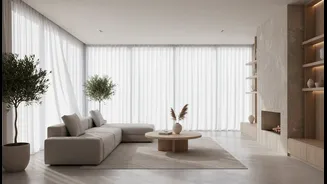
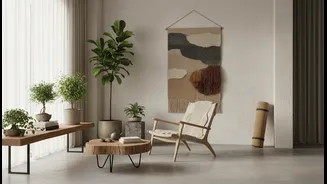
While it sounds abstract, designing with 'air' involves several concrete strategies. The most direct application is managing indoor air quality. This includes promoting natural ventilation through well-placed windows and incorporating advanced filtration systems to reduce indoor pollutants and microplastics. Biophilic design, which seeks to connect people with nature, plays a key role here by integrating indoor plants and green walls that naturally improve air quality and reduce stress. Beyond purity, 'air' also refers to the sense of openness and flow within a space. Architects create this by designing clear pathways, using human-scaled proportions, and reducing sensory clutter to make an environment feel calming rather than overwhelming. Proper ventilation has even been linked to a reduction in asthma and doctor visits.
Light as a Dynamic Material
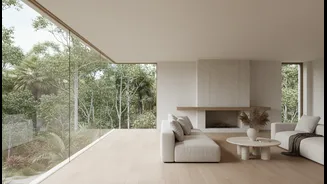
Light is arguably the most powerful intangible material, capable of transforming a room's mood and perceived size. Architects no longer see light as mere illumination but as a tool to sculpt spaces, create atmosphere, and even tell a story. A major trend is circadian lighting, which mimics the natural progression of sunlight throughout the day. These systems use smart, tunable LED bulbs that shift from cool, energizing blue-toned light in the morning to warm, relaxing amber light in the evening. This helps regulate our natural sleep-wake cycle, improving sleep quality, mood, and daytime productivity. Beyond health, designers use layers of ambient, task, and accent lighting to add depth and draw attention to architectural features, turning light itself into a form of decoration.
The Architecture of Sound
How a space sounds is just as important as how it looks. Acoustic design is not about creating total silence, which can feel unnatural, but about controlling sound to suit the room's function. In an age of open-plan living and remote work, managing acoustics has become critical for creating zones of privacy and focus. Designers use a combination of materials to achieve this. Hard surfaces like glass and concrete reflect sound, while soft materials like carpets, drapery, and upholstered furniture absorb it. The market is now full of innovative acoustic solutions that are also aesthetically pleasing, including decorative wall panels, sound-absorbing light fixtures, and even furniture designed to isolate sound. By balancing sound reflection and absorption, designers can reduce stressful background noise and ensure conversations are clear, making a home more peaceful and functional.