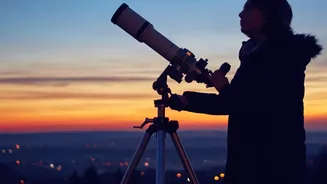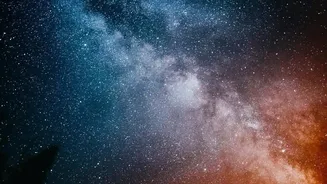



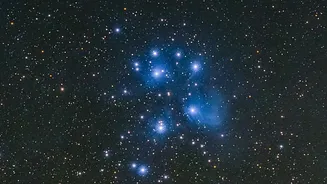
Swapping city smog for a canopy of brilliant stars is a magical experience. But a successful overnight stargazing trip in the Indian countryside requires more than just a telescope. Preparation is crucial to ensure your celestial adventure is safe.
Choose Your Spot Wisely and Legally
The
first step is selecting a location that is both dark and safe. While the allure of 'wild camping' is strong, its legality in India is complex and varies by state. Camping is generally prohibited in the core areas of national parks, tiger reserves, and wildlife sanctuaries without explicit permission. It's much safer to opt for designated campsites in states like Uttarakhand and Himachal Pradesh, or private land where you have the owner's clear permission. Before you go, check with the local Forest Department or panchayat office to understand the rules. Choose firm, flat ground away from steep slopes, unstable rocks, or dry riverbeds, which can be prone to flash floods. Arrive well before sunset to survey the area for potential hazards in daylight.
Prepare for Wildlife Encounters
The countryside is home to more than just stars. Nocturnal animals are active, and while most will avoid you, it's vital to be prepared. In many parts of India, this can include anything from snakes and insects to leopards or even elephants. Before your trip, ask local guides or villagers about common wildlife in the area. Store all food, cooking supplies, and waste in airtight containers or hang them in a bag away from your tent to avoid attracting animals. Avoid walking alone after dark and make some noise as you move to alert animals to your presence. Never approach or feed any wildlife. Many animals are disoriented by bright lights, so using a red-filtered torch is not only good for your night vision but also less disturbing to them.
Pack for Safety, Not Just Stargazing
Your packing list should prioritise safety and comfort. Even on warm days, temperatures can drop significantly after dark, so dress in layers and bring a windproof jacket, cap, and gloves. A comprehensive first-aid kit is non-negotiable. Since you'll be away from city lights, reliable light sources are key. Carry a primary torch and a backup, preferably headlamps to keep your hands free. Crucially, use a red-filtered light, as white light ruins the dark adaptation your eyes need to see faint stars, a process that can take up to 30 minutes. Also, pack a fully charged power bank, as mobile networks can be unreliable and you don't want a dead phone in an emergency. Download offline maps of your area before you leave.
Mastering the Darkness
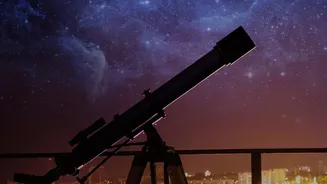
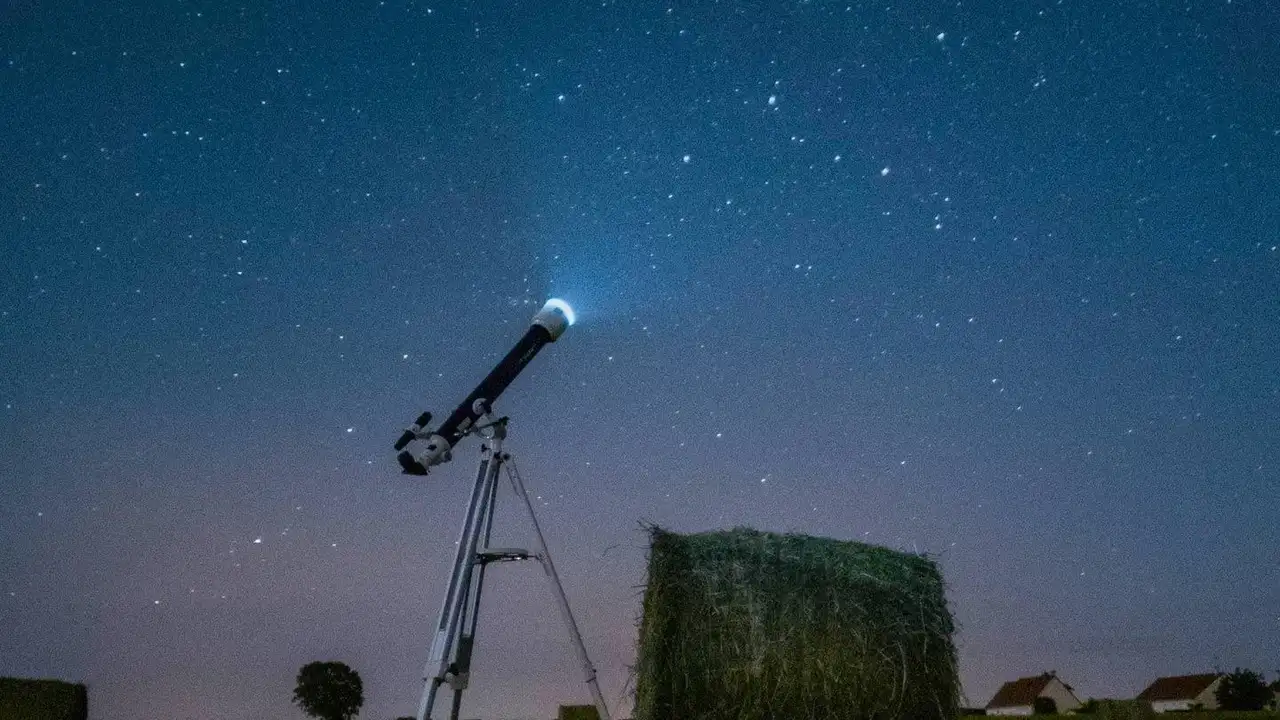
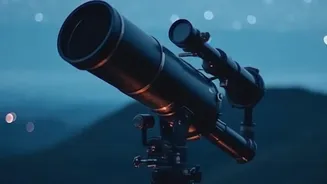
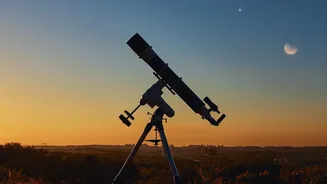
Moving around in complete darkness can be disorienting and hazardous. Before night falls, clear your immediate campsite of any tripping hazards like rocks, roots, or equipment wires. Once it's dark, move slowly and deliberately. A red headlamp is your best friend, allowing you to see your immediate surroundings and equipment without compromising your night vision. If you're using a telescope, ensure it's on stable, level ground to prevent it from toppling over. One of the most critical safety rules is to never, under any circumstances, look at the sun through a telescope or binoculars without a proper, certified solar filter designed for that purpose; doing so can cause instant and permanent blindness.
The Golden Rules: Inform and Go in a Group
Observing alone in a remote location is not recommended, especially for beginners. Going with friends or as part of an organised group is not only more fun but significantly safer. There's safety in numbers, and you'll have help if you run into any trouble. Before you leave, always inform a trusted friend or family member of your exact plans. Tell them your precise location, your planned return time, and who you are with. Provide them with emergency contact details for the local area if possible. This simple step ensures that someone knows where you are and can raise an alarm if you don't return as scheduled.