



The 'Black Milk' Recipe
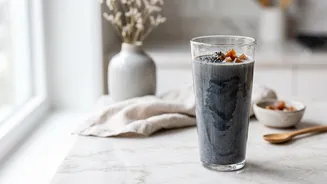
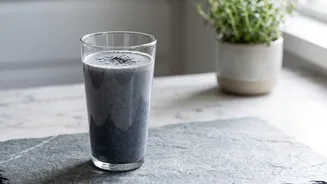
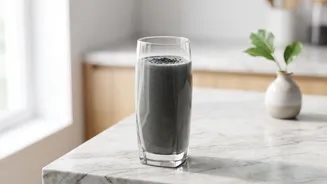
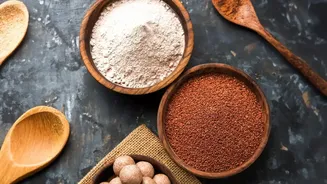
Adah Sharma's video showcased a unique, dark-hued drink she claimed could lead to glowing skin. The recipe itself doesn't involve traditional milk or, as some might assume from the colour, activated charcoal. Instead, it's a plant-based concoction made
from roasted black sesame seeds, cashews, dates, and a pinch of salt, all blended with water and strained through a muslin cloth. Sharma also suggested applying the leftover pulp as a face mask for a precise duration of 7 minutes and 56 seconds for added benefits. She noted the drink is rich in calcium, iron, antioxidants, vitamin E, and zinc, nutrients which are indeed present in ingredients like sesame and cashews.
The Rise of DIY Beauty
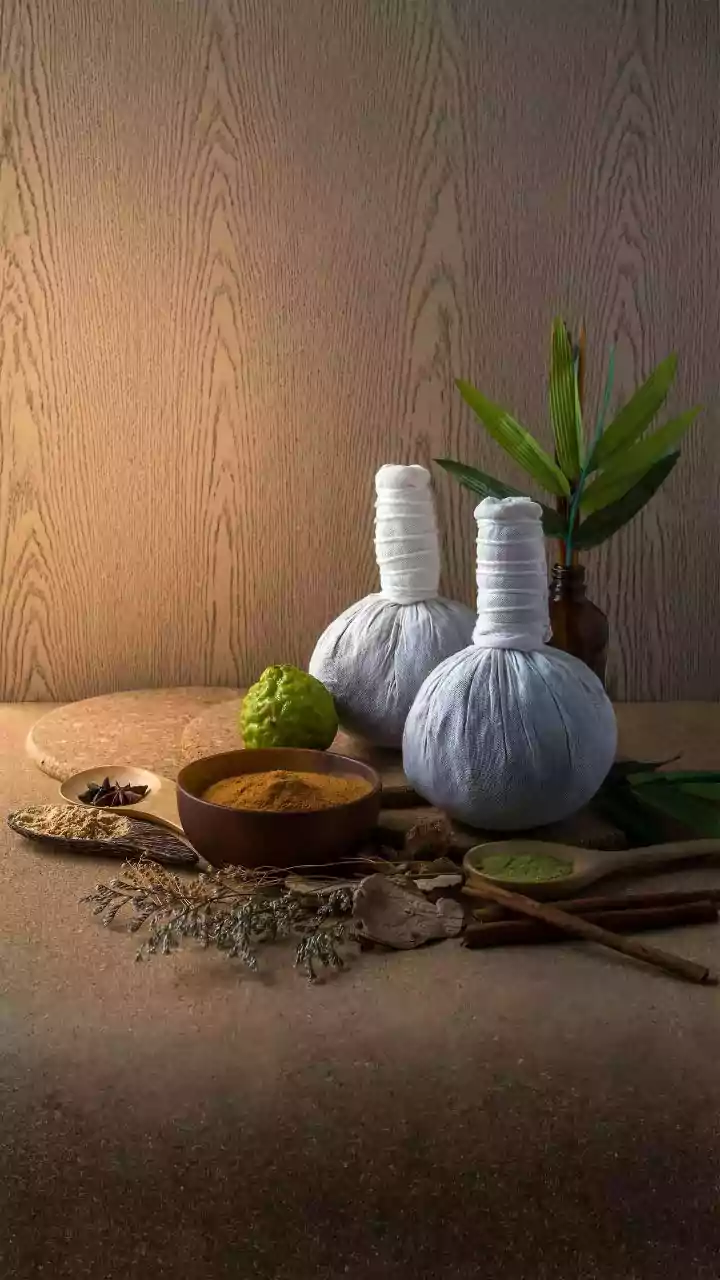
This 'Black Milk' recipe fits into a wider trend of DIY beauty and wellness hacks. From honey face masks to pantry-staple scrubs, the appeal of creating your own treatments is undeniable. It feels natural, affordable, and gives people a sense of control over what they put on and in their bodies. Celebrities sharing their personal, seemingly simple routines makes these trends even more accessible. However, 'natural' does not always mean safe or effective for everyone. Ingredients that are fine to eat can sometimes cause reactions when applied topically, especially for those with sensitive skin or allergies. Furthermore, DIY recipes are not professionally formulated or regulated, meaning their safety and stability haven't been tested.
The Celebrity Wellness Machine
Celebrity influence in the wellness space is nothing new, but social media has amplified it exponentially. When a public figure with a massive following promotes a product, a diet, or a DIY recipe, it can become a viral sensation overnight. These trends often fall into two categories: simple, evidence-backed habits (like getting enough sleep and regular exercise) and more dramatic, photogenic 'hacks' that have little scientific support (like many expensive IV drips and detox cleanses). The problem is that the marketing rarely distinguishes between the two. A celebrity's glowing skin or fit physique is presented as the result of a specific tea, supplement, or concoction, even though their results are more likely due to a team of trainers, nutritionists, and dermatologists.
Why We Need to Ask for Proof
While Adah Sharma's recipe uses wholesome food ingredients, many other viral beauty trends have relied on questionable components, such as activated charcoal. While charcoal is used in emergency medicine to treat poisonings and has some topical benefits for oily skin, there is little clinical evidence for many of the broader beauty claims. Ingesting it regularly can even be harmful, potentially interfering with the absorption of essential nutrients and medications. This highlights the core issue: celebrity wellness claims often lack robust scientific backing. It's easy to be swayed by a confident endorsement, but without evidence, we are essentially experimenting on ourselves. Experts advise caution, especially with expensive powders, detoxes, and 'miracle' products that promise rapid, dramatic results.
Become a Savvy Consumer
Navigating the world of celebrity wellness requires a healthy dose of skepticism. The most effective celebrity-endorsed habits are often the most 'boring' ones: consistent sleep, regular movement, a balanced diet, and stress management. These are pillars of health supported by decades of research. When you come across a new trend, ask a few critical questions. What is the claim? What is the evidence? Who is profiting from this? Instead of immediately trying a new recipe or buying a supplement, do your own research and consult with qualified professionals like doctors or dermatologists. They can provide personalized advice based on science, not social media buzz. Enjoy celebrity content for its entertainment value, but reserve your health decisions for expert guidance.