




The Battery Cost Hurdle
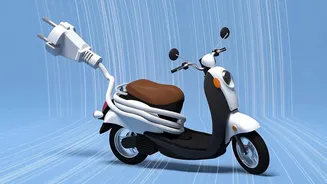
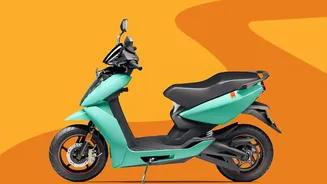
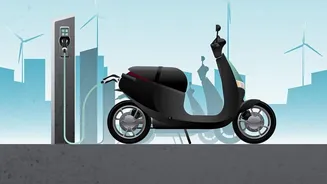
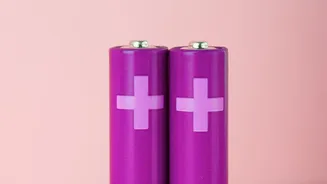
Ask any electric scooter owner or prospective buyer what the biggest expense is, and the answer is almost always the same: the battery. The battery pack alone can account for 40% to 50% of an electric scooter's total cost. In India, a replacement battery for a popular
e-scooter can cost anywhere from ₹55,000 to over ₹1,00,000, depending on the model and capacity. This significant cost is tied to the current industry standard, the lithium-ion battery. While effective, these batteries rely on expensive and sometimes volatile raw materials like lithium, cobalt, and nickel. Furthermore, they require complex battery management and cooling systems to operate safely and prevent overheating, which adds to the overall weight and manufacturing cost of the vehicle.
Enter Solid-State: The Next Big Leap
This is where solid-state technology comes in. In a conventional lithium-ion battery, charged particles (ions) move through a liquid electrolyte to generate power. A solid-state battery, as the name suggests, replaces this flammable liquid electrolyte with a solid material, often a ceramic, polymer, or sulfide-based compound. This single change has a cascade of game-changing benefits. Firstly, it dramatically improves safety by removing the risk of leakage or fire associated with liquid electrolytes. Secondly, solid-state designs can accommodate a pure lithium metal anode, which allows for a much higher energy density—meaning more range from a battery of the same size, or a similar range from a much smaller, lighter battery. The potential is staggering, with some estimates suggesting a 50-80% increase in range.
How Solid-State Drives Down Costs
While solid-state batteries are currently more expensive to produce than lithium-ion ones due to new manufacturing processes and a lack of scale, their path to lowering scooter costs is clear. The long-term cost reduction comes from several areas. By eliminating the liquid electrolyte and its associated safety components like heavy casing and cooling systems, the battery pack's design is simplified, reducing weight and manufacturing complexity. More importantly, this technology opens the door to using more abundant and cheaper materials, potentially reducing reliance on costly cobalt and even lithium in some future designs. Furthermore, solid-state batteries promise a significantly longer lifespan with slower degradation, meaning riders won't have to face a costly battery replacement for many more years, if at all during their ownership period. This drastically lowers the total cost of ownership.
From the Lab to Indian Roads
The journey from a promising concept to a commercial product is paved with rigorous testing. This is the crucial phase where solid-state technology is right now. Companies in India and around the world are putting these batteries through their paces to ensure they can withstand real-world conditions. This includes performance in extreme temperatures, a key concern for the Indian climate, as well as durability against vibrations and the ability to handle rapid charging cycles without degrading. While full solid-state batteries are not yet widely available, some manufacturers are introducing "semi-solid" batteries as a transitional step, which offer some of the safety and density benefits. Indian firms like Inventus and major players like Ola Electric are actively involved in R&D, signaling a strong domestic push towards this next-generation technology.
What's the Timeline for Riders?
So, when can you expect to buy an electric scooter powered by a solid-state battery? Patience is key. While semi-solid batteries are beginning to enter the market, widespread adoption of true all-solid-state technology in mass-market scooters is still a few years away. Most industry experts project that the first vehicles with this technology will be premium models, with broader availability in more affordable scooters expected between 2028 and the early 2030s. The current tests are essential for refining manufacturing processes and bringing down the high initial production costs. As production scales up, the price premium is expected to decrease significantly, making it a viable option for everyday consumers.