









From Pet to Family Member
The bond between Indians and their pets has transformed. Especially in urban areas, the rise of nuclear families and single-person households has elevated pets to the status of cherished companions. This trend, often called 'pet humanization', means owners
are investing more time, emotion, and money into their pets' well-being than ever before. This deeper connection has led to a surge in demand for premium services, from specialized grooming to advanced healthcare. Unsurprisingly, nutrition is a major focus, with many pet parents questioning if a one-size-fits-all bag of kibble is truly enough for their furry 'child'.
Moving Beyond the Bag of Kibble
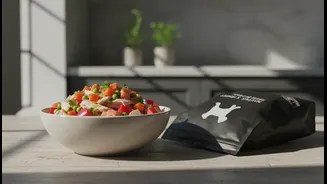
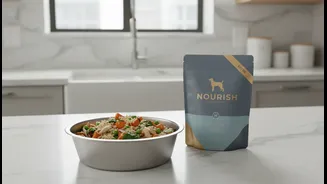
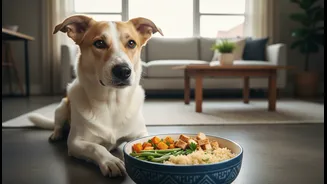
For decades, dry kibble has been the default choice for pet food due to its convenience and long shelf life. However, a growing number of urban pet parents are now exploring fresh food diets. These meals are typically made from human-grade ingredients, lightly cooked to preserve nutrients and kill harmful bacteria, and contain no artificial preservatives. Proponents believe this approach offers superior nutrition. Benefits often cited include improved digestion, resulting in smaller and firmer stools, a healthier and shinier coat, increased energy levels, and better hydration due to the high moisture content in fresh food. For picky eaters, the enhanced palatability of fresh food can also be a significant advantage.
The Vet-Designed Difference
The most crucial part of this trend is the emphasis on professional expertise. The internet is full of homemade pet food recipes, but creating a nutritionally complete and balanced meal is a complex science. An improperly balanced diet, even with the best intentions, can lead to serious nutritional deficiencies or excesses over time. This is where veterinary nutritionists come in. These specialists create customized diet plans based on a pet’s specific needs, considering factors like age, breed, weight, activity level, and any existing health conditions like allergies or kidney issues. In India, several services and veterinary hospitals now offer consultations with certified nutritionists who can formulate recipes using accessible, local ingredients, ensuring the diet is both healthy and practical for pet parents.
What to Consider Before Making the Switch
While the benefits are appealing, a fresh food diet requires commitment. It is generally more expensive than commercial kibble and requires refrigeration and careful handling to prevent spoilage and contamination from bacteria like Salmonella. Because the food is minimally processed, it may not be suitable for very young, old, or immunocompromised pets. Therefore, a conversation with a veterinarian is a non-negotiable first step. A vet can help you determine if a fresh diet is appropriate for your pet and can guide you toward reputable companies or help you work with a nutritionist to ensure the meals are complete and balanced according to established standards like AAFCO (Association of American Feed Control Officials) guidelines.