





A Paradise on Shaky Ground
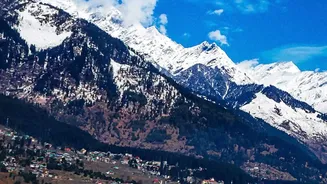
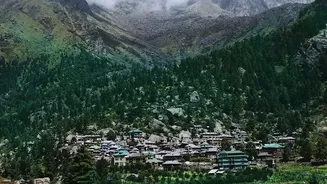
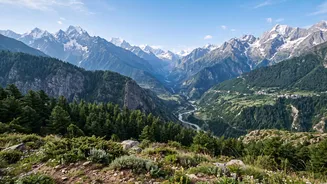
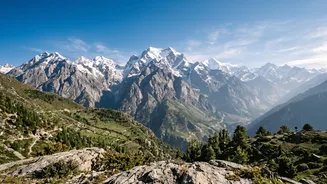
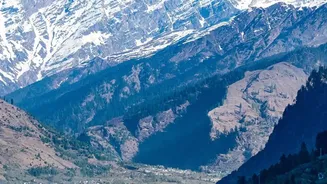
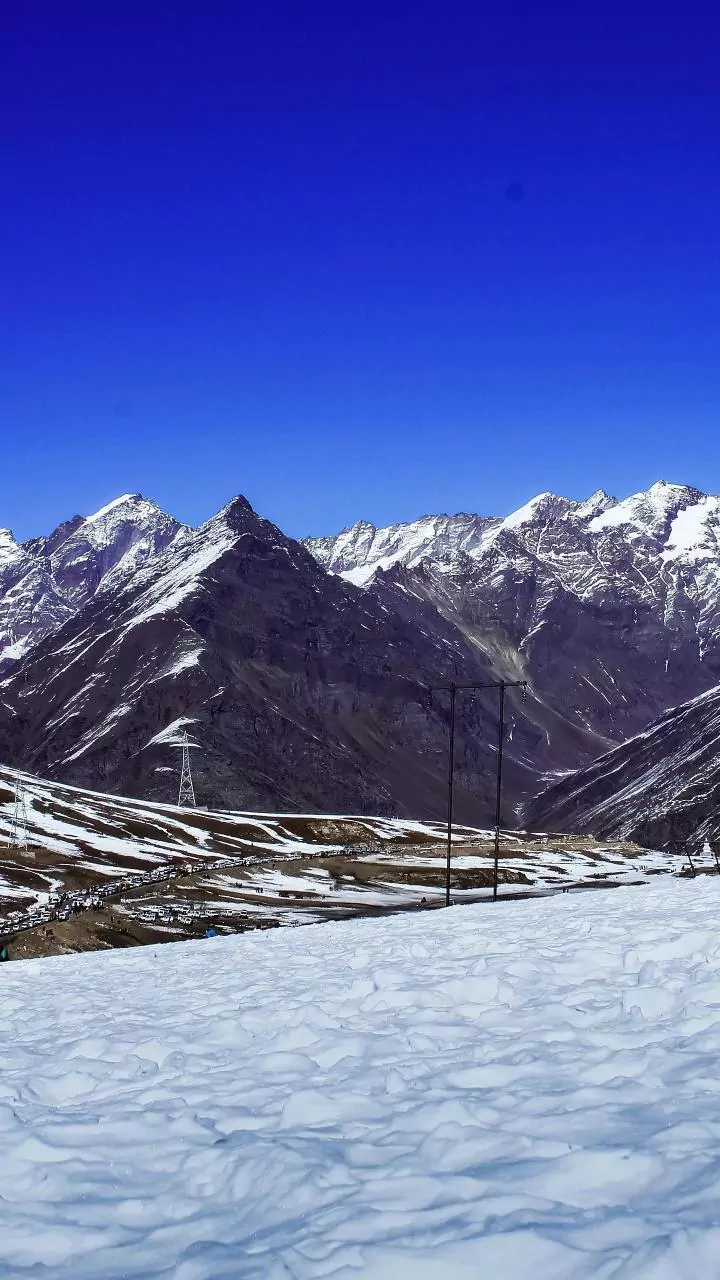
Unlike the rolling foothills that cradle many popular resorts, Sangla and Kalpa are situated in the high-altitude, geologically young and active region of Kinnaur. This entire district is a designated high-risk seismic zone. The mountains are steep, the valleys
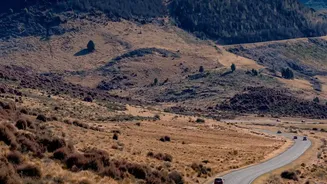
are deep, and the soil is prone to erosion, making landslides a common and deadly threat. Studies have repeatedly shown that the region’s rock masses are unstable, and extensive construction, particularly road cutting and tunneling for hydropower projects, has severely weakened the natural stability of the slopes. These projects, often touted as 'green energy', involve extensive blasting and excavation, which not only trigger landslides but also disrupt natural drainage systems, further increasing the risk of flash floods.
The Cautionary Tale of Mass Tourism
Popular hill stations across India offer a clear warning. Unchecked construction of concrete hotels, severe traffic congestion, acute water shortages, and mountains of unmanaged garbage have become their unfortunate reality. This model, driven by high volume and low oversight, prioritises immediate commercial gains over long-term sustainability. Applying this template to Kinnaur would be disastrous. The region's carrying capacity is far lower. Increased traffic on already precarious roads, excessive demand on scarce water resources, and the construction of heavy, multi-storey concrete buildings on fragile slopes would exponentially increase the risk of environmental catastrophe.
A Culture Carved in Wood
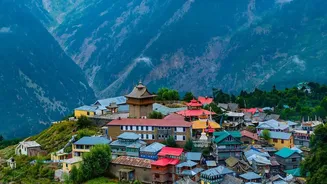
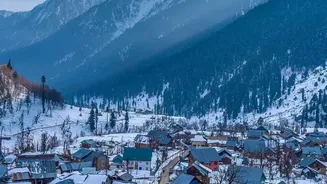
The threat is not just environmental; it is cultural. Kinnaur has a unique cultural identity, a blend of Hinduism and Tibetan Buddhism that is reflected in its daily life and, most visibly, its architecture. The traditional Kath-Kuni style of building, which uses interlocking layers of stone and deodar wood logs without mortar, is an architectural marvel of seismic resilience and insulation. This vernacular style, seen in historic temples and old homes, is not just beautiful but is born of the landscape itself. The proliferation of generic concrete hotels and guesthouses erodes this architectural heritage, replacing a unique cultural fingerprint with a homogenous and ill-suited aesthetic that also threatens local identity.
A Blueprint for a Different Future
Different planning for Sangla and Kalpa means rejecting the mass-market model. The focus should shift to 'high value, low volume' tourism, similar to models explored in places like Bhutan. This involves prioritising visitor experiences that are respectful of the local ecology and culture. Instead of large hotels, the emphasis should be on promoting a network of traditional homestays that directly benefit local families and preserve architectural heritage. Strict, scientifically-informed building codes that mandate Kath-Kuni principles and limit building size are essential. It also requires managing the number of visitors through carrying capacity studies and permits, ensuring that the region is not overwhelmed. Community-led initiatives, from waste management systems to guided nature treks, can create sustainable livelihoods without sacrificing the very soul of the place.