









A Launchpad for New Careers
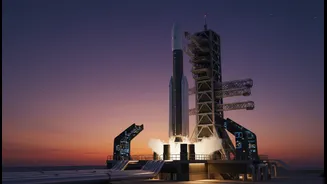
The upcoming flight of Vikram-1, India's first privately developed orbital rocket, is more than just a technological milestone; it's a massive hiring signal for the nation's burgeoning space-tech sector. Scheduled to lift off from Sriharikota, the mission,
named 'Aagaman' (arrival), perfectly encapsulates the arrival of India's private sector on the global space stage. Developed by Hyderabad-based Skyroot Aerospace, a startup founded by former ISRO scientists, Vikram-1 represents the culmination of years of effort and a significant policy shift. This single event is a tangible result of reforms designed to encourage private enterprise in space, and its success is expected to dramatically accelerate job creation.
The Policy Shift That Opened the Skies
For decades, a career in space in India meant one thing: working for the Indian Space Research Organisation (ISRO). While a prestigious path, it was a narrow one. That changed dramatically in 2020 when the government opened the sector to private participation, establishing the Indian National Space Promotion and Authorisation Centre (IN-SPACe). This body acts as a facilitator and regulator, allowing startups like Skyroot, Agnikul Cosmos, and Dhruva Space to access ISRO's world-class facilities and expertise. This policy shift has led to a boom, with over 400 private space startups now registered in India, creating thousands of new high-tech jobs in just a few years. The goal is to grow India's share of the global space economy from 2% to 8%, targeting a value of $44 billion by 2033.
What Does a Space-Tech Job Look Like?
The new jobs extend far beyond the stereotypical image of a rocket scientist. While aerospace and mechanical engineers are in high demand, the needs of these new companies are incredibly diverse. Skyroot's own career postings reveal a need for specialists in avionics, hardware quality engineering, structural analysis, thermal engineering, and CNC programming. These roles involve everything from designing the 'nervous system' of a rocket to ensuring the quality of its 3D-printed engines and carbon-composite structure. Companies are actively seeking talent in fields like embedded systems, materials science, control theory, and CAD/CFD analysis. It's a hardcore engineering revival, moving beyond IT to build tangible, complex hardware.
More Than Just Rockets
While launch vehicles like Vikram-1 grab the headlines, the ecosystem they enable is much broader. The primary business of private rockets is to deploy small satellites, which in turn fuels another wave of job creation. Companies like Pixxel are building constellations of hyperspectral imaging satellites, requiring experts in satellite technology and data analysis. This satellite data powers applications in agriculture, climate monitoring, urban planning, and defense, creating demand for data scientists and software engineers who can turn raw satellite images into actionable insights. Furthermore, the entire supply chain, involving over 400 suppliers for a single mission like Vikram-1, creates roles in procurement, logistics, and industrial engineering.
The Skills in High Demand
For graduates aspiring to join this exciting field, a strong foundation in core engineering disciplines like mechanical, electronics, and computer science is crucial. However, the industry also needs specialists. Expertise in RF engineering, robotics, AI and machine learning for data processing, and cybersecurity for space systems are all becoming high-value skills. Beyond technical abilities, companies are looking for a startup mindset: professionals who can think across disciplines, solve problems creatively, and work with agility. As Skyroot's co-founder noted, the mission to open space for all requires a team that blends deep expertise with innovative thinking.