



The Complete Protein Puzzle
To build and repair muscle tissue, your body needs protein. But it's more specific than that; it needs amino acids—the building blocks of protein. There are twenty different amino acids, nine of which are considered 'essential' because your body can't
produce them on its own. You must get them from food. A 'complete protein' is a food source that contains all nine of these essential amino acids in adequate amounts. Animal products like meat, eggs, and dairy are all complete proteins. For lifters, getting a full spectrum of these amino acids is crucial for triggering muscle protein synthesis, the process that leads to muscle growth and recovery after a tough workout.
The Lentil's Limitation
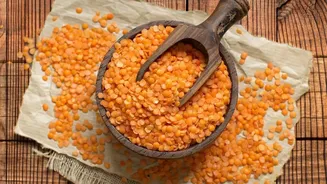
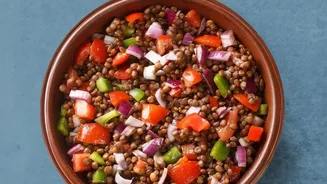
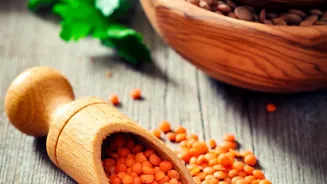
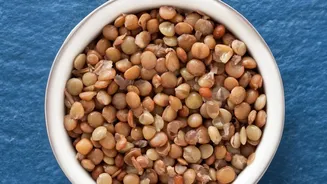
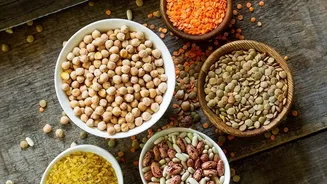
Lentils are a nutritional powerhouse, packed with protein, fibre, and essential minerals. A single cooked cup offers a significant protein boost. However, like most legumes, lentils are technically an 'incomplete protein'. While they contain all nine essential amino acids, they are low in two specific sulfur-containing ones: methionine and cysteine. Methionine is considered a 'limiting amino acid' in lentils, meaning the low supply of it limits your body's ability to build protein chains, even if other amino acids are abundant. While lentils are rich in other essential amino acids like lysine, this gap in methionine and cysteine is what you need to fill to maximize their muscle-building potential.
Seeds to the Rescue
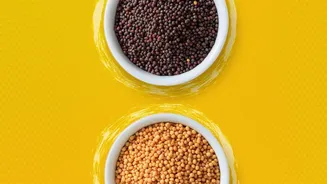
This is where seeds come in. Many nuts and seeds are rich in the very amino acids that lentils lack. Foods like sunflower seeds, pumpkin seeds, hemp seeds, and sesame seeds (often found in paste form as tahini) are excellent sources of methionine and cysteine. By pairing lentils with these seeds, you create a complementary protein. The amino acids from the seeds fill the nutritional gap left by the lentils, and vice versa. The result is a meal that delivers a complete amino acid profile, rivaling what you'd get from many animal-based sources and giving your body all the necessary tools for optimal muscle repair and growth.
Putting It Into Practice
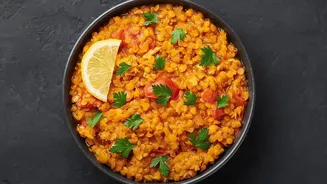
Making this pairing a part of your diet is simple and doesn't require complex calculations. The concept of 'protein combining' doesn't mean you have to eat both foods in the exact same mouthful, just within the same day. However, combining them in a single meal is an easy way to ensure you're covered. You can sprinkle a tablespoon or two of sunflower or pumpkin seeds over a lentil salad or a warm bowl of dal. A classic example of this pairing in action is hummus, which combines chickpeas (which have a similar amino acid profile to lentils) with tahini (sesame seed paste). You could also blend a spoonful of tahini into a lentil soup to make it creamier and more nutritionally complete. Using flour made from chickpeas or lentils to make a flatbread and topping it with roasted vegetables and seeds is another effective strategy.
Beyond the Basic Pairing
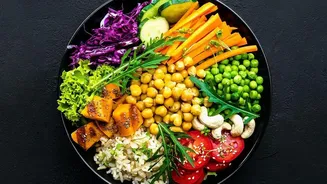
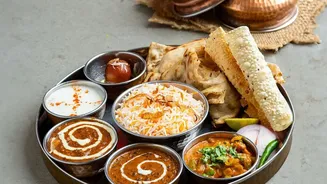
While the lentil-and-seed combination is incredibly effective, it's just one example of protein complementation. The same principle applies to other food groups. Grains like rice and whole wheat bread are also good sources of methionine and cysteine, which is why combinations like rice and beans or lentil curry with roti have been dietary staples across the globe for centuries. Quinoa is a notable exception in the plant world, as it's a pseudocereal that is considered a complete protein all on its own. By aiming for a varied diet that includes a mix of legumes, seeds, nuts, and whole grains, you can easily meet your protein needs for muscle building without having to meticulously track every single amino acid.