





Understanding the 'Why': ILP vs. PAP
Before you start assembling documents, it's vital to know which permit you need. The Indian government uses two main types of permits for its protected border regions. The Inner Line Permit (ILP) is for Indian citizens who are not residents of the state
they wish to visit. The Protected Area Permit (PAP), sometimes called a Restricted Area Permit (RAP), is for foreign nationals. These permits exist primarily for security reasons due to the proximity of these regions to international frontiers with China, Pakistan, and Myanmar. The rules are strictly enforced at checkpoints, so having the correct permit is not optional. For OCI cardholders, it's important to note you are generally treated as a foreign national and must apply for a PAP, not an ILP.
Your Universal Document Checklist
While specific requirements vary by state, a standard set of documents will form the foundation of any permit application, whether online or offline. It's wise to prepare these in advance. You will almost certainly need clear, recent passport-sized photographs. A valid government-issued photo ID is mandatory; for Indian citizens, Aadhaar Card, Voter ID, or a Passport are universally accepted. Foreign nationals must have their passport with a valid Indian visa. It's also good practice to have digital and physical copies of a detailed itinerary, including your proposed dates of travel and places of stay. Some applications may also ask for proof of accommodation or vehicle details.
Ladakh: High Passes and Online Permits
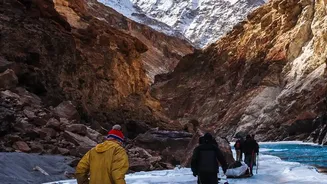
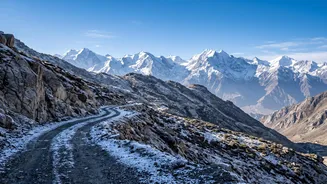
For Indian tourists, the process for visiting Ladakh's jewels like Nubra Valley, Pangong Tso, and Tso Moriri has been simplified. The traditional ILP has been replaced by an online fee payment system via the official Leh administration website. You simply pay the environment and wildlife fees online, download the receipt, and that document serves as your permit. Foreign nationals still require a PAP, which must be arranged through a registered travel agent in Leh. November travel to Ladakh is possible, primarily by air, as high-altitude passes on the road from Manali are often closed. Permits are still issued, but you must verify that the specific areas you wish to visit are accessible and not blocked by early snowfall.
Himachal, Arunachal, and Sikkim
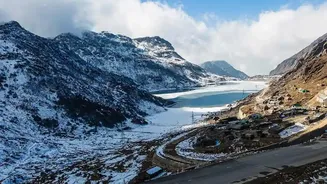
In Himachal Pradesh, Indian tourists do not need a permit for most of Spiti Valley, but registration at checkpoints like Sumdo is required. Foreigners need a PAP for areas beyond Jangi in Kinnaur and parts of Spiti, which is best obtained in Reckong Peo or Kaza. For Arunachal Pradesh, an ILP is mandatory for all non-resident Indians for entry into the entire state. This can be easily applied for online through the state's official e-ILP portal. In Sikkim, Indian citizens need a Protected Area Permit (PAP) to visit high-altitude areas like Tsomgo Lake, Nathu La, Lachen, and Lachung. These permits are typically arranged by local tour operators in Gangtok a day in advance, as solo travel to these zones is often restricted. Foreigners need a RAP just to enter Sikkim, plus a PAP for the protected areas.
The November Challenge: Weather and Logistics
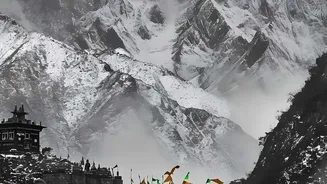
Planning a Himalayan trip in November requires extra diligence. While the landscapes are stunningly stark, weather is a major factor. High passes like Kunzum La (connecting Lahaul and Spiti) and Nathu La (Sikkim) can close with little warning due to snowfall. Government offices in smaller towns may have reduced hours, making offline permit applications more challenging. The most critical advice is to build buffer days into your itinerary to account for potential delays. Always check the real-time road status and weather forecasts from reliable sources just before and during your trip. For regions like North Sikkim and parts of Ladakh, arranging permits and travel through a registered local agency is highly recommended in winter, as they have the most current information on accessibility and conditions.