







More Than Just a Pet
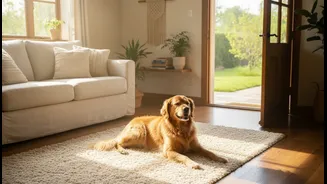
The way we talk about our dogs has changed. They are no longer just pets, but 'fur babies' and integral members of the family. This isn't just sentimental talk; it's a profound cultural shift backed by a growing body of research. Sociologists and anthrozoologists—scientists
who study human-animal interactions—are identifying the rise of the 'multispecies family'. This concept describes households where pets, particularly dogs, are treated not as property, but as kin with their own needs, emotional lives, and roles within the family structure. Studies show an overwhelming majority of owners, especially among millennial and Gen Z populations, view their dogs as family members or even as their children. This reclassification from pet to family is more than just a label; it’s a predictor of behaviour, influencing everything from daily routines to major life decisions.
The Science of Our Bond
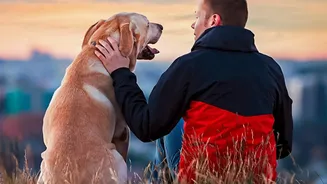
The emotional connection we feel isn’t just in our heads; it’s biological. Research confirms that interacting with dogs releases oxytocin, the same 'love hormone' that facilitates bonding between a mother and child. This physiological response helps explain the deep, attachment-based bonds that form, where dogs look to humans for safety and comfort, much like a child does with a parent. This goes both ways. Studies find that for many owners, the relationship with their dog is more satisfying and has less conflict than many of their human relationships. The bond is a unique hybrid, blending elements of a parent-child dynamic with the companionship of a best friend. This scientific understanding moves the conversation beyond simple affection and into the realm of complex, reciprocal emotional partnerships that are reshaping our social fabric.
How Dogs Remap Our Lives
The decision to bring a dog into a multispecies family now carries the weight of other major life commitments. People are increasingly making significant life choices with their dogs at the forefront. Younger generations, facing economic uncertainty, report delaying having children and getting a dog instead. The financial commitment is also substantial, with owners spending significant sums on premium food, insurance, and veterinary care, treating their dogs’ health with the same seriousness as a human family member’s. This planning extends to career and housing. More people are choosing jobs that offer pet-friendly policies or remote work flexibility. When looking for a home, pet-friendliness is a top priority, with a majority of renters now owning pets, a figure that outpaces the number of renters with children. This trend makes it clear that for a growing segment of the population, a dog is a non-negotiable part of life.
Planning Cities for Paws
This profound shift in household structure is creating new demands on our public spaces. If dogs are family, then our communities must be built to accommodate them. Urban planners and developers are beginning to recognize that 'pet-inclusive' design is no longer a niche amenity but a critical component of a healthy, functional city. A pet-friendly city isn’t just about having a few dog parks. It’s about creating an entire ecosystem that supports pet ownership. This includes more accessible green spaces, safe and walkable pathways, pet waste stations, and even dog-friendly public transport. Such infrastructure doesn't just benefit pet owners; it enhances community well-being for everyone by encouraging physical activity, fostering social interactions between neighbours, and reducing resident stress. As more households become multispecies families, pressure grows on housing developers and local governments to adapt policies, from eliminating restrictive pet clauses in rental agreements to integrating pet needs into new development plans.