



The Essential Cooling Counterpart
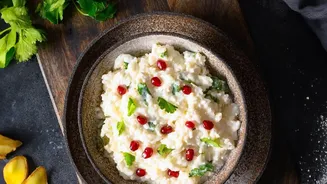
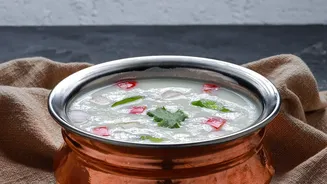
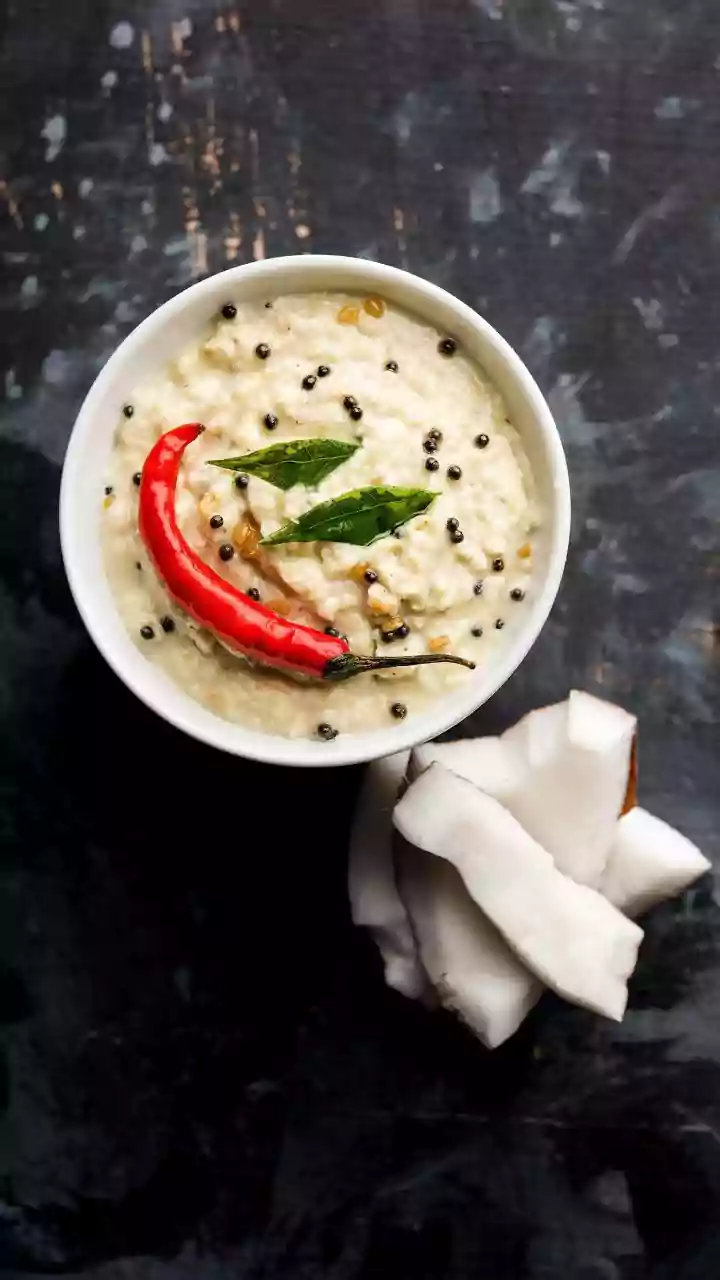
Raita is a classic Indian side dish made from dahi (yoghurt), into which a variety of raw or cooked vegetables, fruits, herbs, and spices are mixed. Served chilled, its primary purpose is to provide a cooling contrast to the heat of spicy main courses
like biryanis, curries, and kebabs. But its role is not just psychological. The magic lies in the science of the ingredients. Yoghurt contains a protein called casein, which effectively binds to capsaicin—the compound that gives chillies their heat—and washes it away from your taste receptors. This provides genuine physical relief from a spicy burn, allowing you to enjoy the complex flavours of the meal without being overwhelmed. Beyond just cooling, the creaminess of raita cuts through the richness of gravies and provides a delightful textural contrast.
More Than Just Cucumber
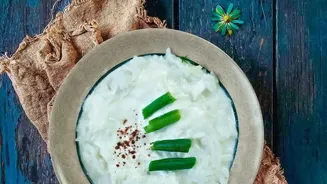
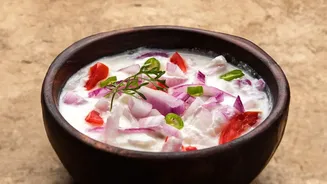
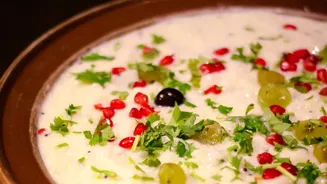
While cucumber raita is arguably the most famous and widely made version, the world of raita is incredibly diverse. The base of spiced yoghurt is a canvas for endless creativity, with regional and seasonal variations found across India. Some of the most popular types include: Boondi Raita: This features tiny, crispy fried balls of gram flour (boondi) soaked in the yoghurt. The result is a delightful mix of soft and crunchy textures with a savoury flavour. Mint (Pudina) Raita: Made by blending fresh mint leaves into the yoghurt, this version is intensely refreshing and is a classic accompaniment to lamb dishes and kebabs. Onion and Tomato Raita: A simple but effective combination of finely chopped onions and tomatoes provides a sharp, tangy crunch. It is a traditional pairing with biryani. Fruit Raita: It may sound unusual, but sweet and savoury raitas featuring fruits like pineapple, pomegranate, or mango are popular, offering a completely different flavour profile that can be served as a side or even a light dessert.
Crafting the Perfect Raita at Home
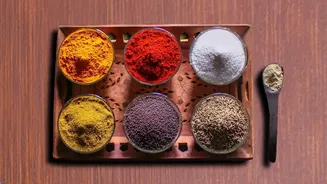
Making raita at home is wonderfully simple and takes only a few minutes. The key to a great raita is starting with good quality, thick, plain yoghurt. Full-fat yoghurt will give you the creamiest result. For a basic cucumber raita, start by whisking the yoghurt until it's smooth. You can add a little water or milk if you prefer a thinner consistency. Into this, stir in grated or finely diced cucumber. Many recipes suggest peeling the cucumber and removing the seeds to prevent the raita from becoming too watery. The essential seasoning is roasted cumin powder, which provides a smoky, earthy aroma. A pinch of black salt (kala namak), regular salt, and perhaps a hint of red chilli powder or chaat masala completes the flavour base. Finally, stir in freshly chopped herbs like mint or coriander for a burst of freshness. For the best flavour, let the raita chill in the refrigerator for at least 15 minutes before serving to allow the flavours to meld together.
The Perfect Pairings
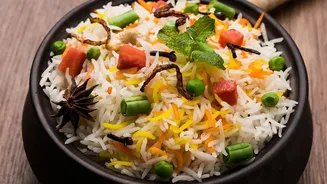
Raita is rarely eaten on its own; its identity is defined by the dishes it accompanies. Its versatility makes it a suitable partner for a wide range of meals. It is the indispensable companion to a spicy biryani or pulao, where it helps to temper the heat and moisten the rice. It serves as a refreshing dip for flavourful kebabs, tandoori chicken, and various flatbreads like naan and parathas. A bowl of raita alongside a rich, creamy curry like butter chicken or a robust lentil dish like dal makhani provides a welcome, palate-cleansing contrast between bites. Essentially, any time an Indian meal feels intensely spiced, rich, or dry, raita is the perfect element to bring the entire plate into delicious harmony.