
In India's bustling cities, a quiet revolution is simmering. Young professionals are stepping away from their screens and into kitchens, not just to cook, but to connect with a past they feel is slipping away, one regional recipe at a time.
A Hunger for Authenticity
For a generation
raised on fast food and homogenised global menus, there's a growing appetite for something more tangible and rooted in identity. Many young urbanites are actively seeking ways to connect with their heritage, and food has become a powerful medium. These heritage cooking workshops offer more than just culinary instruction; they provide a taste of home and history. In a world of fleeting digital trends, the slow, deliberate process of grinding spices or mastering a family recipe offers a grounding experience. This movement is a response to the loss of culinary diversity, as people look to reclaim the distinct flavours of their specific communities, be it a forgotten Bengali sweet or a complex Chettinad curry.
More Than Just a Cooking Class
Unlike standard culinary courses that focus purely on technique, these workshops are immersive cultural experiences. Often led by home chefs, grandmothers, or culinary revivalists, the sessions are rich with stories about the origins of a dish, the significance of certain ingredients, and the role food plays in festivals and family traditions. Participants don't just learn how to make a dish; they learn why it's made a certain way. This context transforms cooking from a simple skill into a form of cultural preservation. Many classes include trips to local markets to source ingredients, teaching attendees how to select fresh produce and understand the nuances of regional spices.
From Malabar to Meghalaya on a Plate
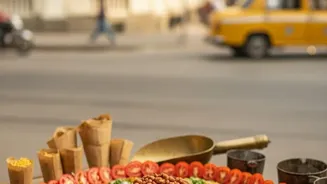
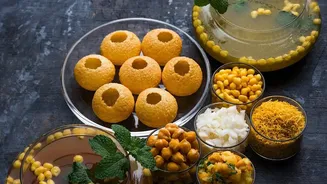
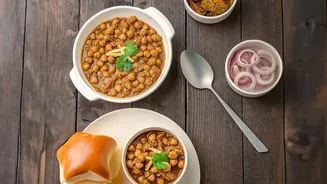
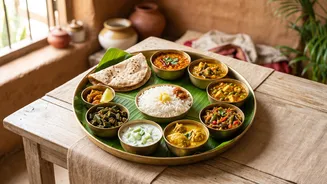
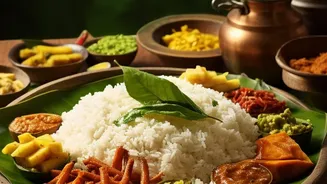
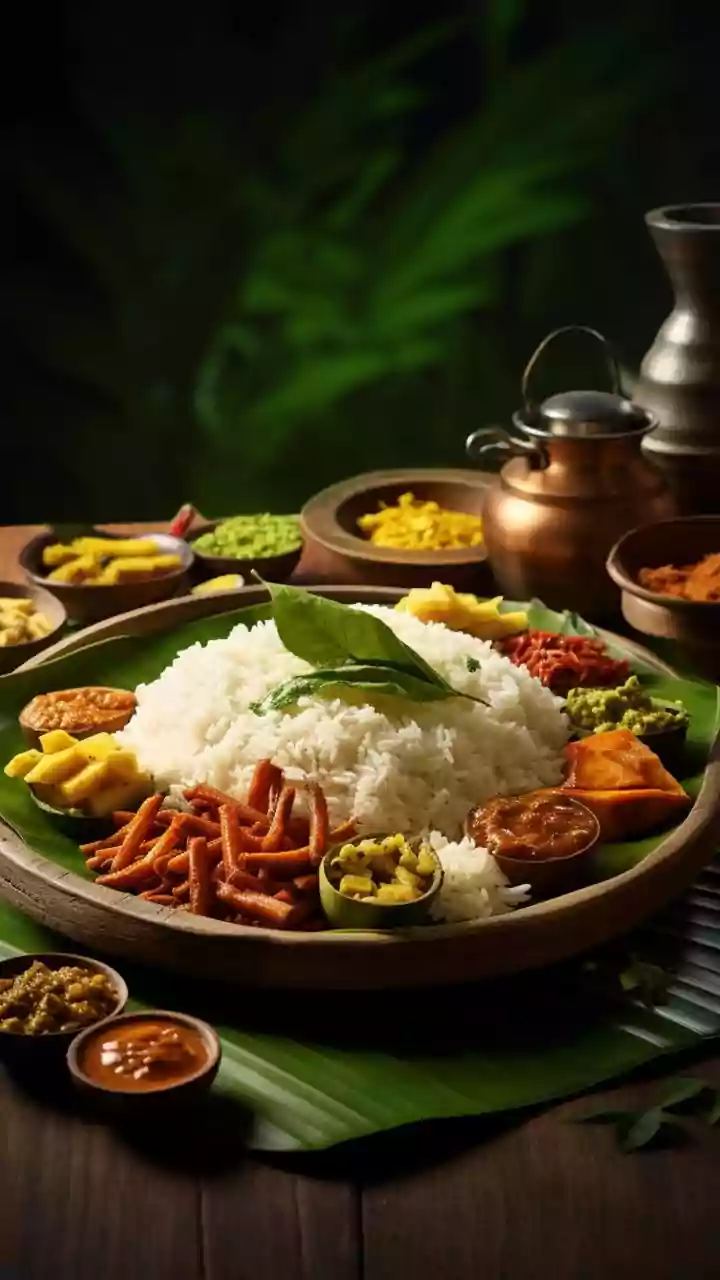
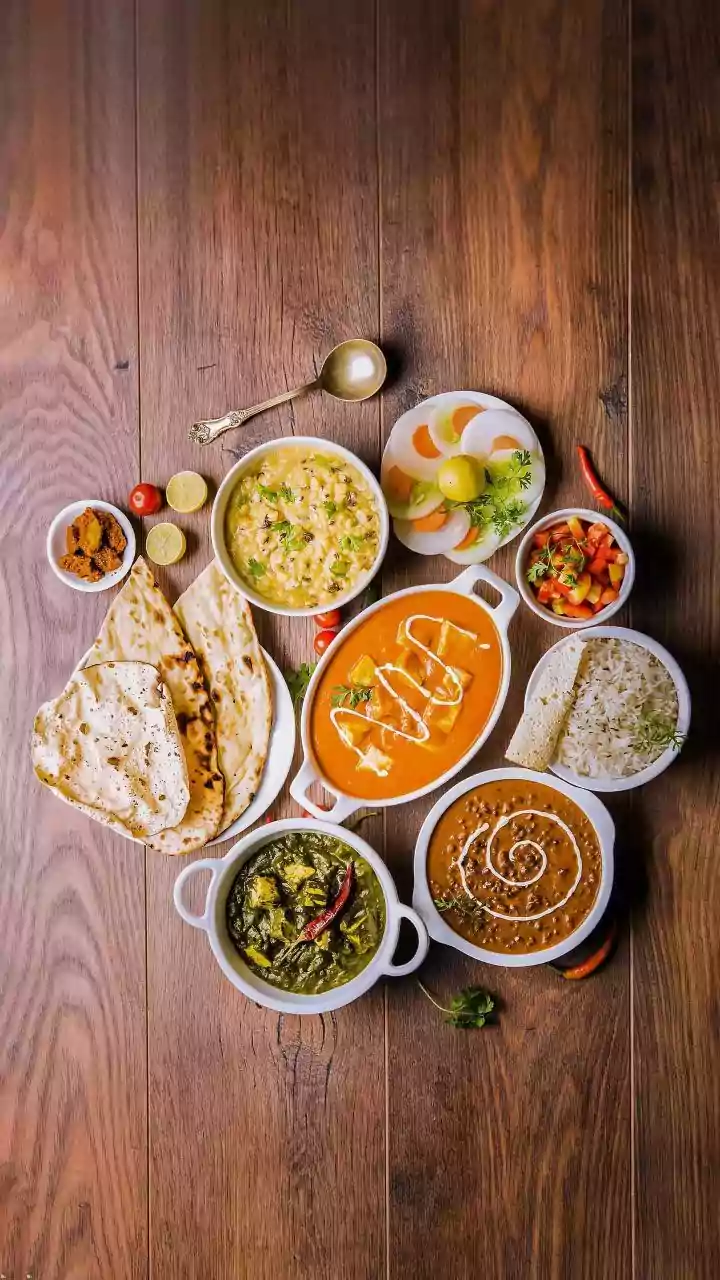
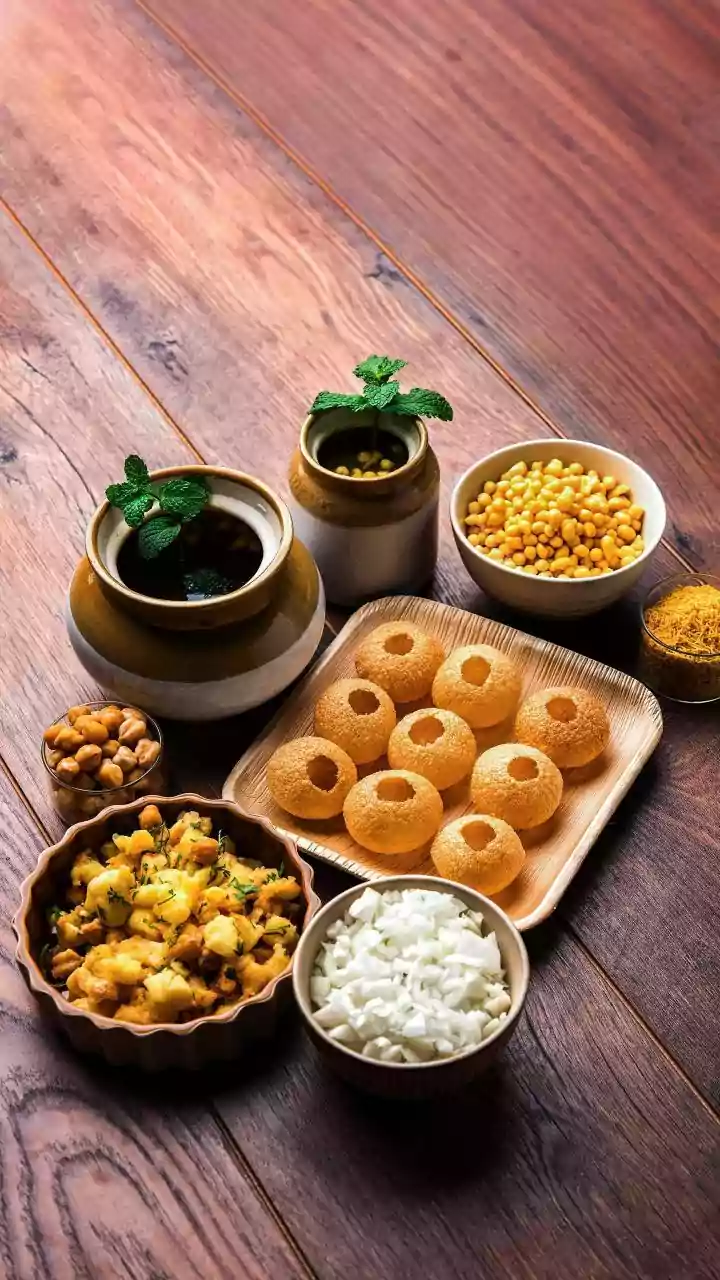
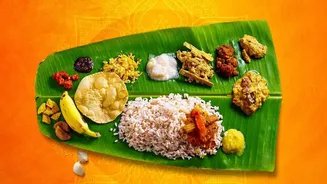
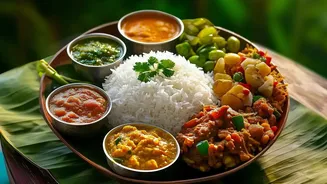
The diversity of workshops available reflects the vastness of India's culinary landscape. In Mumbai, you might find a class focused on the coastal flavours of the Konkan region, while in Delhi, the intricacies of Old Delhi's street food or robust Punjabi fare are on the menu. In cities like Jaipur, participants learn to prepare Rajasthani specialties like 'dal baati churma'. Further south, workshops demystify the unique spice blends of Kerala's Malabar coast or the distinct sour notes of Goan cuisine. This growing interest has also put a spotlight on lesser-known hyperlocal cuisines, from the tribal kitchens of Nagaland to the sun-dried delicacies of Odisha, bringing them into the urban mainstream.
The New Form of Self-Care
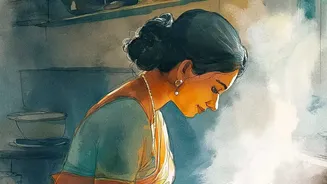
In today's fastpaced, digitallydriven world, the act of cooking has become a form of mindfulness and selfcare for many. The process demands focus and engages all the senses, providing a muchneeded break from the pressures of urban life. For young people living away from their families, recreating a traditional dish can be a powerful antidote to loneliness, evoking feelings of comfort and connection to home. These workshops also foster a sense of community, bringing together likeminded individuals who share a passion for food and culture. The satisfaction of mastering a complex dish from scratch provides a tangible sense of accomplishment that is often missing in a digitalfirst career.