


When to Go for the Clearest Skies
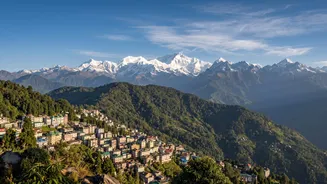
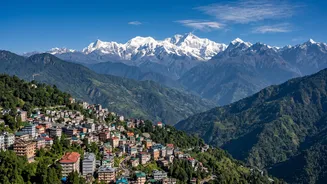
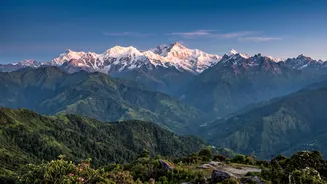
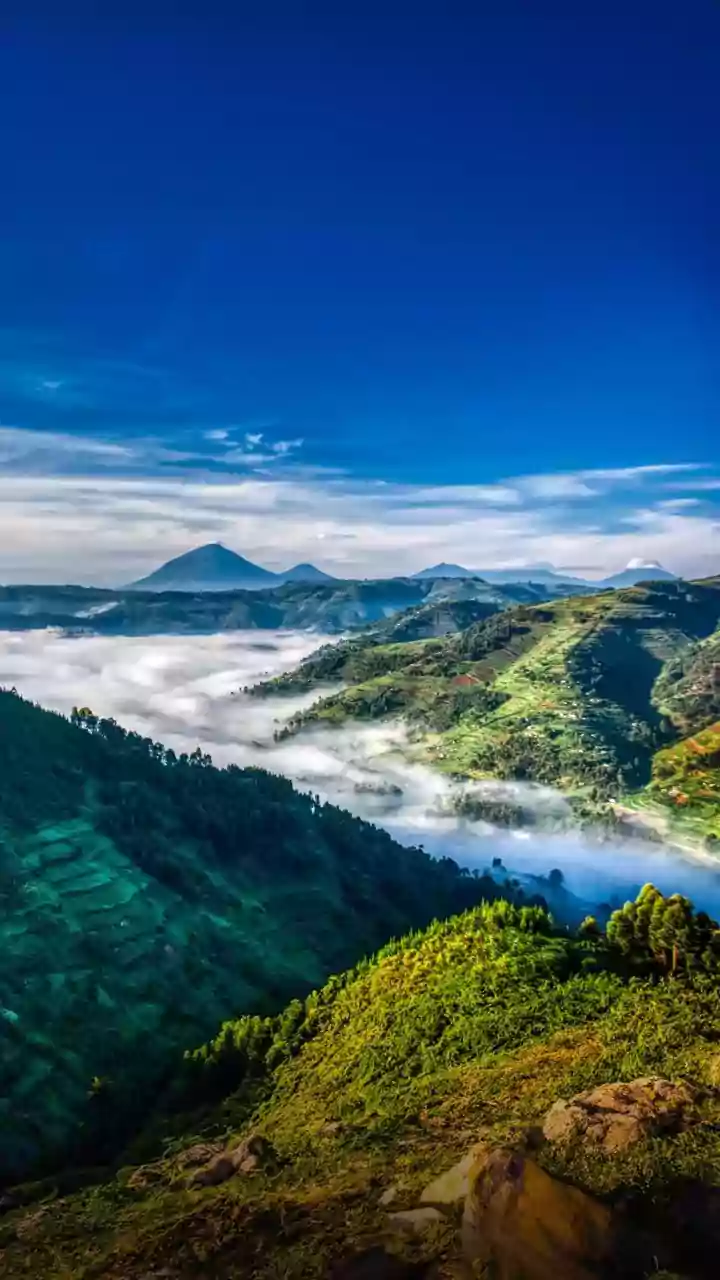
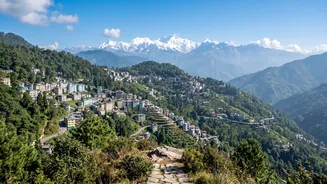
The phrase “peak clear-sky mountain months” points to two specific windows in Gangtok. The first and most popular is the autumn season, from late September to mid-December. After the monsoon, the air is crisp and the skies are exceptionally clear, offering
stunning, unobstructed views of the Kanchenjunga range. The second window is in spring, from March to May. During this time, the weather is pleasant, and the landscape is vibrant with blooming rhododendrons, though a slight haze can build up later in the season. Winter (December-February) also offers clear views but can be quite cold. The monsoon months from July to early September should be avoided due to heavy rain and the risk of landslides.
Entry Permits and Essential Paperwork
Sikkim has specific entry requirements. For Indian citizens, no permit is needed to enter Gangtok and other main towns like Pelling or Namchi. However, to visit protected areas near the border, such as Tsomgo Lake, Nathula Pass, and North Sikkim, you will need a Protected Area Permit (PAP). These are typically arranged a day in advance by registered local tour operators. For foreign nationals, an Inner Line Permit (ILP), also called a Restricted Area Permit (RAP), is mandatory to enter the state of Sikkim at all. This permit is usually valid for 30 days and can be extended. Foreigners also require a PAP for visiting protected areas and are restricted from certain locations like Nathula Pass and Gurudongmar Lake.
Finding Your Digital Nomad Base
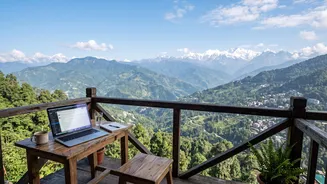
For a seasonal stay, you have several options beyond standard hotels. Furnished monthly rentals and serviced apartments are available and can be found on platforms like Airbnb, offering kitchens and more space to settle in. Many digital nomads opt for homestays, which provide an immersive cultural experience along with home-cooked meals. Some homestays in and around Gangtok are now specifically catering to remote workers, advertising reliable Wi-Fi and dedicated workspaces. For those on a tighter budget or seeking community, hostels like Tagalong Backpackers or House of Nomad offer workation packages and a social atmosphere.
The Tech Setup: Internet and Workspaces
Gangtok's connectivity has improved significantly, making it a viable remote work destination. Both Airtel and Jio offer good 4G connectivity within the city. For a long-term stay, getting a fibre broadband connection from providers like Airtel Xstream Fiber is the most reliable option, with plans offering high speeds and unlimited data. While many hotels and homestays provide Wi-Fi, it's wise to have a mobile hotspot as a backup. For a change of scenery, Gangtok has a growing number of work-friendly cafes, especially around MG Marg. If you need a dedicated, professional environment, Sanctorum is Gangtok's first official coworking space, offering day passes, monthly memberships, meeting rooms, and even a podcast studio.
Budgeting Your Himalayan Work-Life
Gangtok is a relatively affordable place to live, especially if you have foreign or city-based income. A monthly budget for a single person, excluding rent, can be around ₹20,000-₹25,000. Rent for a one-bedroom apartment can range from ₹7,000 to ₹15,000 per month, depending on the location and amenities. Homestays in nearby digital nomad villages like Yakten offer long-stay packages for as low as ₹15,000 per month, which often include Wi-Fi. A meal at an inexpensive local restaurant costs around ₹200, while groceries are reasonably priced. Local transportation is also affordable, but costs add up for private taxis on sightseeing trips.
Beyond the Laptop: Weekend Explorations
The real reward of a seasonal stay is the opportunity to explore. On weekends, you can take day trips to the famous Tsomgo Lake or visit monasteries like Rumtek and Ranka. For adventure seekers, there's river rafting on the Teesta River or paragliding for an aerial view of the valleys. Nearby towns like Ravangla, Pelling, and Kalimpong make for excellent weekend getaways, each offering a different perspective of Himalayan life and culture. Even within Gangtok, you can spend evenings strolling down the vehicle-free MG Marg, visiting the Namgyal Institute of Tibetology, or enjoying sunset views from Tashi Viewpoint.