



Why Look Beyond the Usual Sabzi?
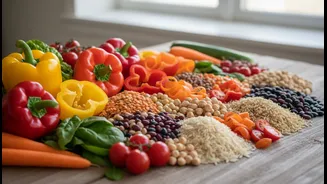
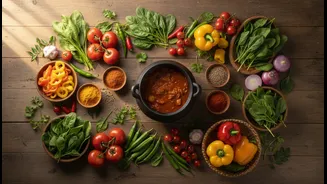
While classics like aloo gobi and palak paneer are beloved for a reason, expanding your culinary horizons offers numerous benefits. Incorporating a wider range of plants introduces a greater diversity of vitamins, minerals, and phytonutrients into your diet.
This dietary diversity is linked to improved gut health and can help in managing lifestyle diseases. It’s not about replacing old favourites, but about enhancing your cooking repertoire. Think of it as an upgrade to your kitchen, adding new textures and tastes to the robust, spicy flavours you already love. By trying one new vegetable a week, you can effortlessly make your meals more interesting and wholesome.
Hearty Vegetables as Stars of the Curry
Many vegetables offer a satisfying, 'meaty' texture that makes them perfect for rich curries and gravies. Unripe green jackfruit, or 'kathal', is a fantastic example. Its fibrous texture holds up beautifully in biryanis and spicy curries, absorbing flavours wonderfully. Banana flowers also have a surprisingly meaty texture, making them an interesting substitute in vegetarian curries and sabzis. Mushrooms, especially portobello and shiitake, bring a deep, umami flavour that can mimic the richness of meat in dishes. You can also experiment with taro root (arbi), which has a nutty and mildly sweet taste and works well in both dry and gravy-based preparations. These vegetables can star in dishes where you might typically use paneer or chicken, offering a delicious and purely plant-based alternative.
Discovering a World of Greens
Spinach (palak) and fenugreek (methi) are staples, but India's diverse climate offers a treasure trove of other leafy greens. Moringa leaves, from the drumstick tree, are a nutritional powerhouse packed with vitamins and can be added to dals or stir-fries just like any other green. Amaranth leaves (chaulai or laal saag) come in green and red varieties and have a delicate, earthy flavour perfect for simple sautés. Gongura, or roselle leaves, bring a unique tangy flavour to dals and pickles, especially in South Indian cuisine. Colocasia leaves (arbi ke patte) are used to make pathrode, a steamed snack, but can also be incorporated into gravies. Exploring these greens is a simple way to boost the nutritional content of your everyday meals.
Proteins Beyond Paneer and Legumes
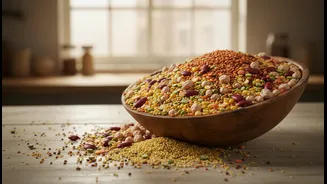
While dal, chickpeas, and paneer are excellent protein sources, you can diversify with other options. Tofu, especially firm tofu, is a brilliant substitute for paneer in dishes like palak paneer or mattar paneer. When marinated in Indian spices, it absorbs the flavour and provides a similar texture. Tempeh, a fermented soybean cake, offers a firmer, nuttier alternative. You can also look to different beans and lentils. Black-eyed peas (lobia or rongi) make a delicious, creamy curry. Sprouted legumes add a crunchy texture and enhanced nutritional profile to salads and light stir-fries. These options not only add protein but also bring new textures to your cooking.
Rethinking Your Grains with Millets
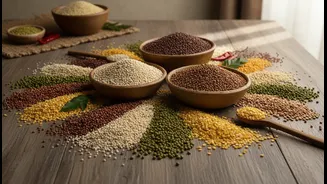
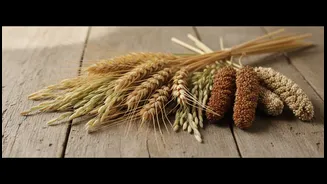
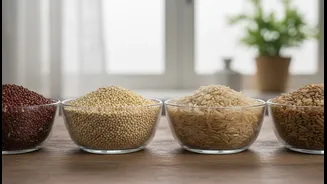
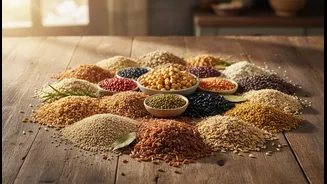
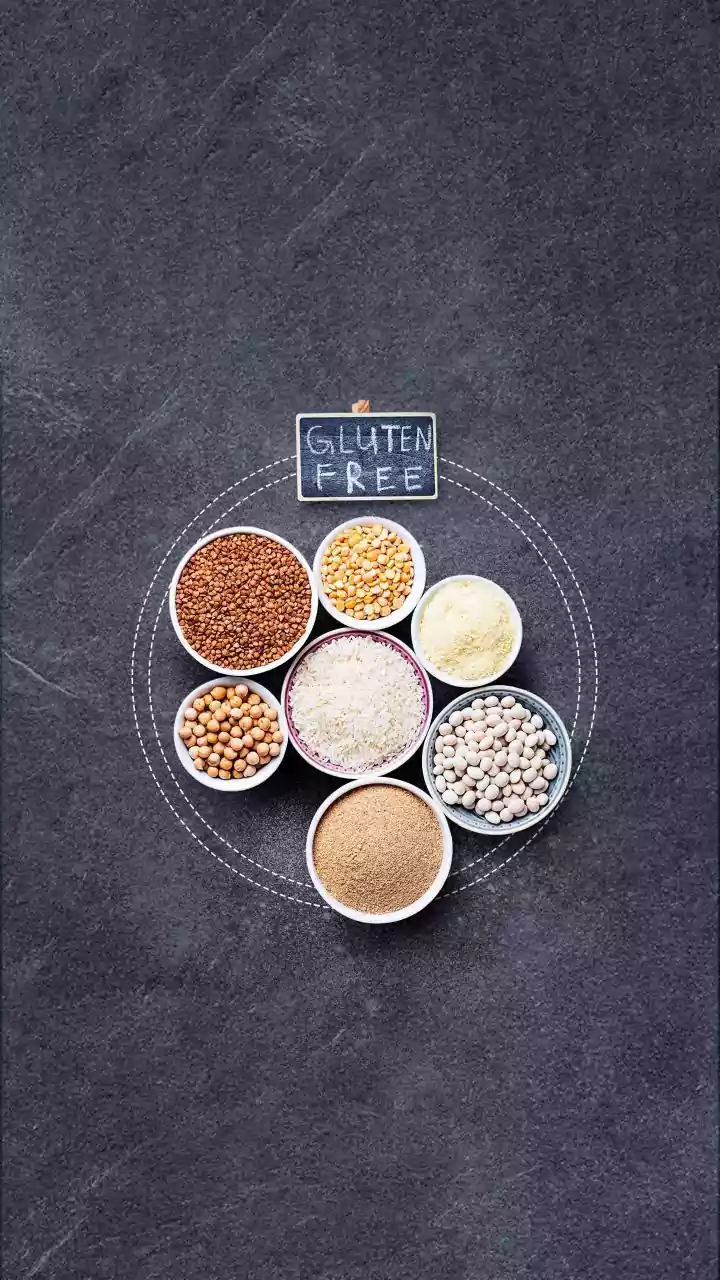
The foundation of many Indian meals, rice and wheat, can also be diversified. Millets, ancient grains that are naturally gluten-free and nutrient-dense, are making a strong comeback. Foxtail millet (kangni) or barnyard millet (sanwa) can be cooked just like rice and served with dal or curry. They have a lower glycemic index compared to white rice, which helps in managing blood sugar levels. Flours made from pearl millet (bajra), sorghum (jowar), and finger millet (ragi) can be used to make rotis and dosas, offering a healthier, fibre-rich alternative to refined wheat flour. Adding millets to your diet is an easy switch that supports both your health and agricultural sustainability.