



More Than Just a Meal
Forget the sterile, all-you-can-eat buffets of packaged tours. Today's food walk is a curated, immersive journey into the heart of a city's culture. It's less a restaurant-hopping tour and more a mobile storytelling session. Led by local experts, these
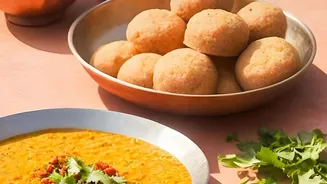
walks connect the dots between a dish and its history, revealing how a recipe can hold generations of tradition, migration, and innovation within its flavours. Participants don't just eat; they learn why a certain spice is used, how a particular cooking technique was developed, or the story behind a family-run stall that's been a neighbourhood institution for a century. It's an experience that weaves together flavour, culture, and history, transforming a simple meal into a memorable event.
An Appetite for Authenticity
So, why the sudden explosion in popularity? For Gen Z and Millennial travellers, authenticity is the new luxury. Reports from 2026 show a massive preference for spending on experiences over material goods. This generation, armed with smartphones and influenced by social media, craves genuine connections and unique stories to share. Food is the most direct and delicious gateway to a local culture. A food walk offers what a monument visit often cannot: interaction, spontaneity, and a multi-sensory experience that is both deeply personal and highly 'Instagrammable'. Food bloggers and social media influencers play a huge role, shaping dining preferences and creating a desire for the 'real' food experiences that lie beyond the tourist hotspots.
A Taste of India's Cities
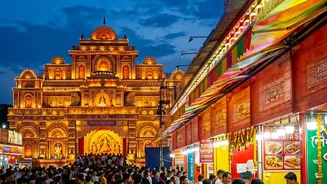
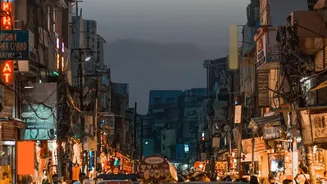
This trend is unfolding vibrantly across India. In Delhi, food walks snake through the historic gullies of Chandni Chowk, offering everything from deep-fried parathas to Daulat ki Chaat, a delicate winter dessert. In Mumbai, tours might explore the legendary Khau Gallis or even take participants into local communities to forage for ingredients and cook with tribal families, turning a meal into a profound cultural exchange. Meanwhile, walks in Kolkata can trace the diverse influences on its cuisine, from British to Chinese, while a tour in Lucknow might focus on the city's aromatic heritage, connecting its famous kebabs to the local perfume industry. Each city offers a unique narrative told through its street food and local eateries.
The New Urban Itinerary
The rise of culinary tourism is actively reshaping travel itself. For a growing number of young Indians, food is no longer an afterthought but the primary driver for choosing a destination. Itineraries are built around market visits, cooking classes, and curated food trails. This has a significant economic impact, moving tourist spending away from large hotel chains and into the hands of small, local vendors and family-run businesses that are the backbone of a city's food scene. This shift creates a more sustainable and distributed form of tourism, offering visitors a richer understanding of a place while directly supporting the communities that make it special. Instead of just seeing a city, these travellers are tasting it, one bite at a time.