




A Dessert Steeped in Tradition
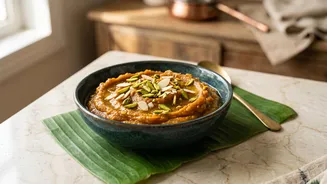
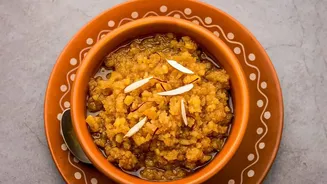
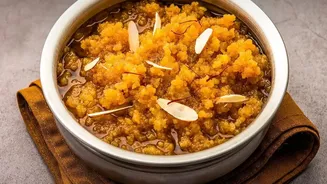
Gajar ka Halwa, also known as Gajrela in Punjab, is a classic carrot pudding from the Indian subcontinent. Its origins are often traced back to the Mughal era, a period known for its rich culinary innovations. The word 'halwa' itself comes from the Arabic
word 'hulw', meaning sweet. While the concept of halwa originated in the Middle East, the specific use of carrots is a celebrated Indian adaptation. Traditionally a winter delicacy made with sweet, juicy red carrots that are available during the colder months, its popularity has made it a year-round favourite enjoyed at festivals and family gatherings alike.
The Core Ingredients
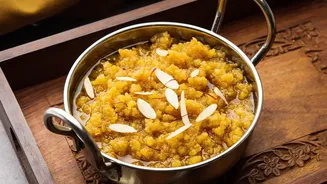
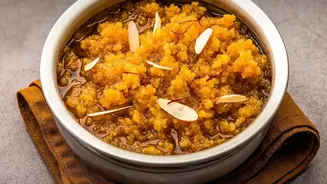
At its heart, carrot halwa is deceptively simple. The traditional recipe calls for just a few key components: fresh carrots, full-fat milk, sugar, and ghee (clarified butter). The quality of these ingredients makes all the difference. Fresh, juicy carrots provide natural sweetness, while full-fat milk lends a creamy richness as it slowly reduces. Ghee adds a distinctive nutty aroma and glossy finish that is signature to the dish. Aromatic green cardamom and a garnish of chopped nuts like almonds, cashews, and pistachios are typically added to complete the flavour profile.
The Art of Slow Cooking
The traditional method of making Gajar ka Halwa is a labour of love that rewards patience. It involves simmering freshly grated carrots in milk, stirring frequently as the mixture slowly thickens and the carrots become tender. This slow-cooking process allows the flavours to meld beautifully and is crucial for developing the halwa’s characteristic texture. Once the milk has almost completely evaporated, sugar and ghee are added. The final stage involves sautéing the mixture until the ghee separates, giving the halwa a rich, glossy appearance and an unforgettable aroma.
Modern Twists for a Quicker Treat
While the traditional, slow-cooked method is revered, modern kitchens have found ways to make this dessert more accessible for everyday cooking. One of the most popular shortcuts is using sweetened condensed milk (often known by the brand name Milkmaid). This significantly cuts down the cooking time, as the milk is already reduced and sweetened. The process involves sautéing grated carrots in ghee, then adding condensed milk and cooking until the mixture thickens. Other quick variations use khoya (dried milk solids) or milk powder to achieve a rich texture in less time. Even an Instant Pot can be used to make the process faster and more hands-off.
Tips for Halwa Perfection
To elevate your carrot halwa, a few tips can make a huge difference. Firstly, always use fresh, tender carrots; avoid any that are old or fibrous. When grating, a medium grater is often best, as finely grated carrots can become mushy. Using a heavy-bottomed pan or kadai is essential to prevent the milk from scorching at the bottom. Be patient and cook on a low to medium flame, stirring regularly. Finally, add the sugar only after the milk has significantly reduced, as adding it too early can hinder the carrots from cooking properly.