







A Ritual of Connection
In India, the question “Chai piyoge?” (Will you have tea?) is rarely just about quenching thirst. It's an offering of hospitality, a gesture of warmth, and an invitation to connect. It’s the default social lubricant, served when guests arrive, during
business negotiations, and between friends catching up. The simple act of sharing a cup of chai transcends social barriers, creating a shared moment of pause and camaraderie. From the corporate boardroom where deals are sealed over steaming cups to the family living room where gossip is exchanged, chai is the silent witness and facilitator. It’s the drink that punctuates our days, marking time not by the clock, but by the need for a comforting brew and a meaningful conversation.
From Medicine to National Drink
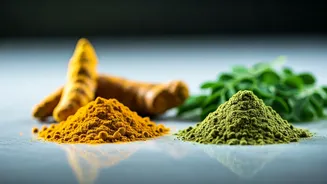
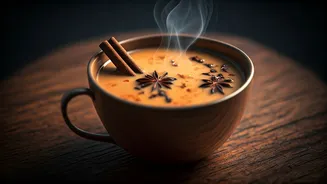
While tea cultivation was aggressively promoted by the British in the 19th century to break China's monopoly, the way we drink it is a story of Indian innovation. Initially, tea was not a popular beverage. The Indian Tea Association ran campaigns in the early 20th century to encourage its consumption, often promoting it in the English style with milk and sugar. But India took this colonial import and made it its own. Drawing from Ayurvedic traditions, which have long used spices for their medicinal properties, people began adding cardamom, ginger, cloves, and cinnamon to the brew. This wasn't just about flavour; it was about creating a healing, warming concoction. This 'masala chai' was a grassroots innovation, a delicious act of cultural rebellion that transformed a foreign commodity into a quintessentially Indian icon.
The Alchemy in the Pot
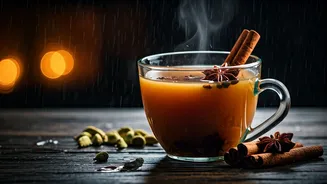
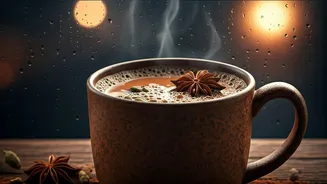
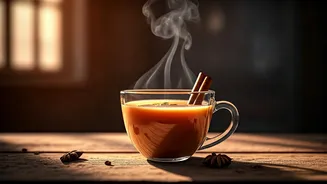
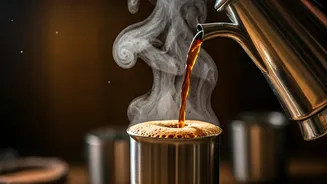
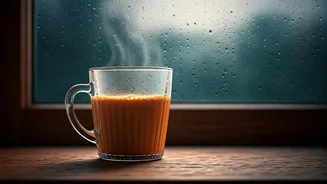
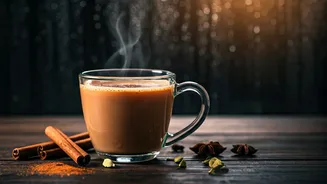
There is no single, definitive recipe for masala chai. Every household, every street-side 'chaiwala', has its own secret formula—a unique ratio of spices, a specific way of boiling the milk, or a preference for a certain type of tea leaf. This is its beauty. The alchemy is personal. For some, a strong hit of ginger is essential to start the day. For others, the delicate perfume of cardamom and fennel is what defines a perfect cup. The process itself is a form of everyday mindfulness: crushing the spices, watching the water come to a rolling boil, seeing the colour change from a pale brown to a rich, creamy terracotta. It’s a small, creative act performed millions of times a day, a testament to the idea that the best things in life are often customised, personal, and made with care.
The Great Indian Equaliser
Few things in India bridge the vast socio-economic divide as effectively as chai. The 'tapri', or roadside tea stall, is a democratic space where people from all walks of life converge. A CEO in a luxury car might pull over for a 'cutting chai' from the same vendor serving a daily wage labourer. In these humble settings, status is temporarily suspended. The focus is on the small glass of potent, sweet tea and the shared experience of taking a break from the hustle of life. This simple beverage fuels the nation’s workforce, providing affordable energy and a moment of respite. It is the lifeblood of the city street and the quiet comfort of the village square, a unifying thread in a country of immense diversity.
Evolving With the Times
Even as its traditional roots run deep, masala chai continues to evolve. A new generation of entrepreneurs is reimagining the humble drink. Chic, modern 'chai cafes' are sprouting up in urban centres, offering artisanal blends, gourmet snacks, and a space for young people to socialise. Chai has gone global, appearing on menus in cafes from London to New York, often rebranded as a 'chai tea latte'. While some purists may scoff at these modern interpretations, it's a sign of chai's enduring appeal and cultural power. It proves that this ancient brew can adapt and thrive, finding new audiences and new forms without losing its essential character—that of comfort, connection, and a taste of home.