



An Emerald World Awakens
Peak tourist season, typically from December to February, presents a version of Kerala that is bustling and bright, but also crowded and costly. The monsoon, which primarily lasts from June to September, offers a stark, enchanting contrast. This isn't
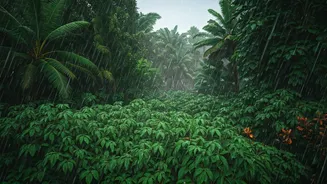
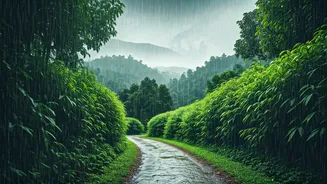
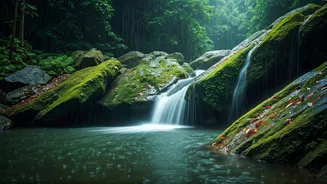
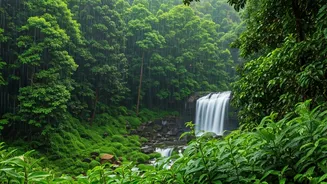
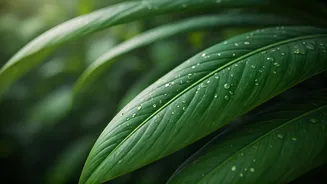
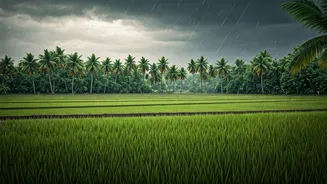
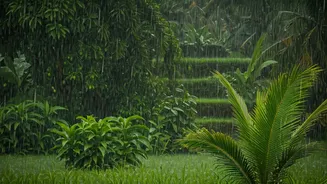
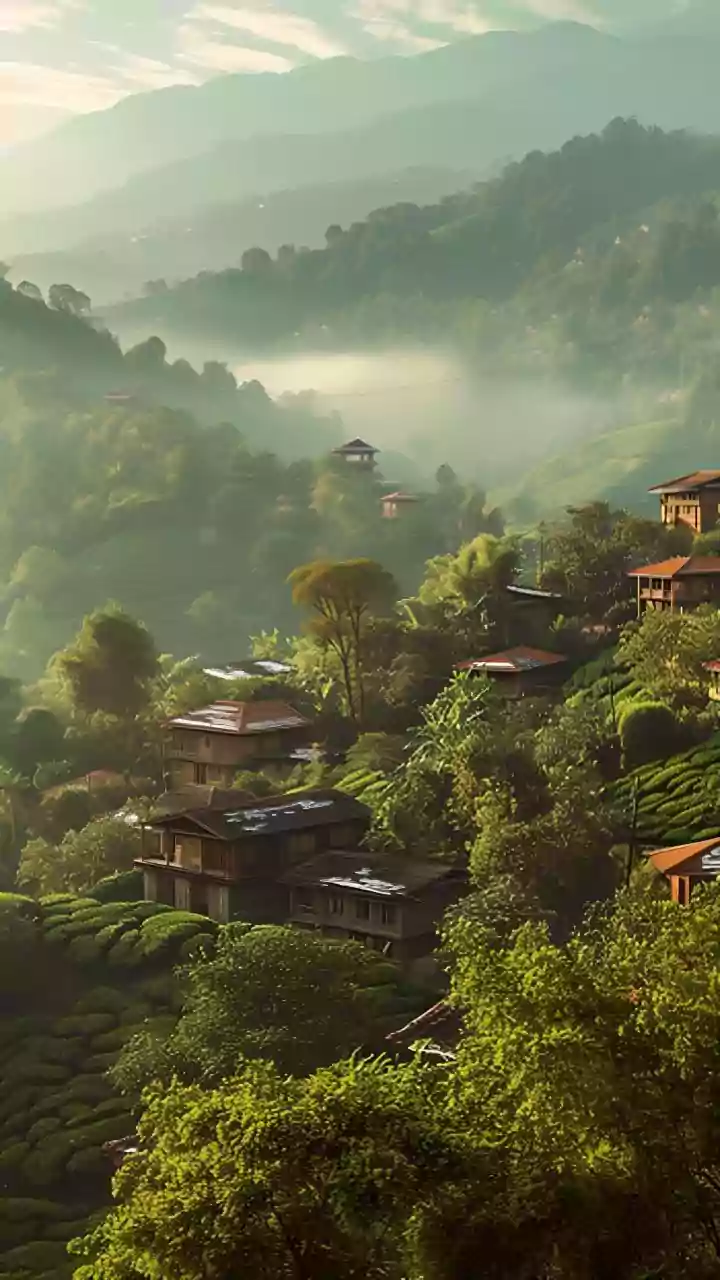
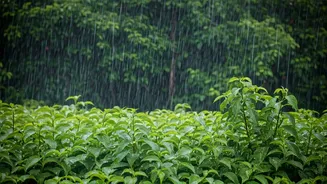
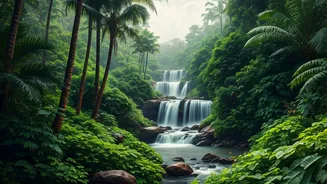
a season of non-stop, dreary downpours; instead, expect a rhythm of intense showers followed by interludes of soft, golden sunshine. This pattern brings the landscape to life. The tea plantations of Munnar and Wayanad become intensely green and shrouded in mist, the waterfalls at places like Athirappilly roar at their magnificent peak, and the air fills with the fresh, earthy scent of petrichor. The entire state is washed clean, appearing more vibrant and alive than at any other time of year.
The Best Time for Ayurvedic Healing
Ayurveda isn't just a spa treatment in Kerala; it's a profound science of wellness, and ancient wisdom holds that the monsoon is the ideal season for it. According to Ayurvedic principles, the cool, moist, and dust-free atmosphere during the rains makes the body exceptionally receptive to herbal oils and therapies. The humidity helps to open up the pores, allowing for deeper absorption and more effective detoxification. This period, known as 'Karkidaka Chikitsa', is traditionally when treatments for rejuvenation and to address chronic issues like joint pain have the greatest impact. Many resorts and wellness centres offer specialised packages during this time, combining therapies with the naturally calming ambience of the season.
Fewer Crowds and Fuller Pockets
One of the most practical and immediate benefits of a monsoon trip is the escape from the crowds. During the peak winter months, popular destinations can be swarming with tourists. The off-season, however, means you get to experience the serene backwaters of Alleppey or the rolling hills of Vagamon with a sense of peace and privacy that is impossible in December. This lack of demand translates directly into significant savings. Flights, hotels, and even houseboat rentals often come at a fraction of their peak-season prices, allowing for a more luxurious experience on a smaller budget. You’ll find shorter queues and more availability at popular spots, making the entire experience feel more relaxed and personal.
Unique Monsoon Experiences
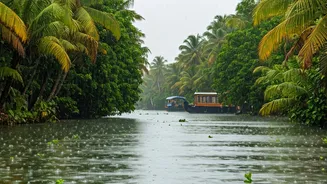
While beach activities might be limited, the monsoon opens up a different set of incredible experiences. Cruising the backwaters on a houseboat takes on a cinematic quality as rain drums softly on the roof and mist hangs over the lush banks. It’s a perfect time for cultural immersion, like watching a Kathakali performance in Kochi on a rainy evening. The famous Onam festival, a vibrant harvest celebration, often falls within the monsoon months, offering a spectacular display of culture, feasts, and the iconic snake boat races (Vallamkali). Even simple pleasures—like sipping hot tea from a local stall while watching the rain, or taking a drive on clean, winding roads through spice plantations—become unforgettable moments.
A Practical Guide to Rainy-Day Travel
A monsoon trip does require some practical planning. While the rains are often intermittent, they can be heavy, potentially causing travel delays. It’s wise to build extra time into your itinerary. Packing waterproof jackets, umbrellas, and appropriate footwear is essential. While the main monsoon from June to August can bring torrential rain, some travellers may prefer September, just after the peak monsoon, when the landscape is still gorgeously green but the downpours are less intense. However, for those seeking the full atmospheric experience, embracing the rain is part of the adventure. It's a chance to slow down, read a book on a covered verandah, and truly connect with the rhythm of nature.