




What Exactly is Fibre?
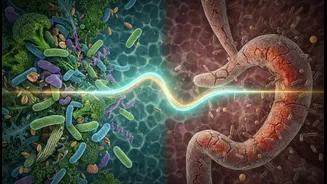
Dietary fibre is a type of carbohydrate found in plant-based foods like fruits, vegetables, grains, and legumes. Unlike other carbs, your body can't digest it. Instead, it passes relatively intact through your digestive system, which is precisely where
its benefits begin. There are two main types: soluble and insoluble. Soluble fibre dissolves in water to form a gel-like substance, which can help lower cholesterol and blood sugar levels. Think of the consistency of oats or soaked chia seeds. Insoluble fibre does not dissolve in water. It adds bulk to your stool, helping it pass more quickly and easily through your digestive system to prevent constipation. Most plant foods contain a mix of both, which is why a varied diet is so important.
The Powerful Health Benefits
The case for eating more fibre is backed by significant health advantages. A high-fibre diet is strongly linked to a lower risk of chronic conditions like heart disease, stroke, type 2 diabetes, and certain cancers. Its most well-known benefit is promoting digestive health and regularity, which can prevent issues like constipation and haemorrhoids. By slowing the absorption of sugar, fibre helps maintain stable blood glucose levels. It can also lower 'bad' LDL cholesterol, contributing to better heart health. Furthermore, high-fibre foods make you feel fuller for longer, which can aid in weight management by helping to regulate appetite and prevent overeating.
How Much Do You Need?
While needs can vary based on age and gender, the general recommendation from bodies like the Indian Council of Medical Research (ICMR) is for adults to consume about 25 to 30 grams of fibre per day. Unfortunately, studies show that the average intake for many Indians is only around 15 grams a day—about half of what is recommended. This significant shortfall is often due to diets high in refined grains like white rice and maida, and a lower-than-ideal intake of vegetables, fruits, and whole legumes. Closing this gap doesn't require drastic measures, but rather a conscious effort to adjust the balance on your plate.
Easy Swaps for an Indian Diet
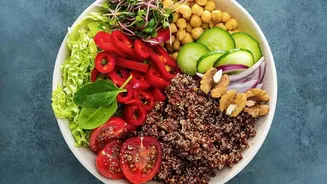
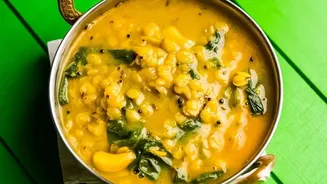
The good news is that traditional Indian cuisine is naturally rich in fibre-friendly ingredients. The key is to prioritise them. Start by swapping refined grains for whole ones: choose whole wheat atta for rotis, and replace some of your white rice with brown rice or millets like jowar, bajra, and ragi. Make dals and legumes a non-negotiable part of your daily meals; a katori of thick dal, rajma, or chana can significantly boost your intake. Fill at least half of your plate with vegetables. Include fibre-rich options like bhindi, beans, carrots, and leafy greens in your sabzis and curries. For snacks, reach for whole fruits like guavas, apples, and bananas instead of processed foods. Eating the peel when it's edible provides even more fibre.
Tips for a Smooth Transition
Increasing your fibre intake too quickly can lead to gas, bloating, and discomfort. The key is to make gradual changes. Start by adding one new high-fibre food every few days to allow your digestive system to adjust. For example, begin by adding a serving of salad before your lunch or switching to whole wheat bread for a week. As you increase fibre, it is crucial to also increase your water intake. Fibre works best when it absorbs water, which helps soften stool and aids its passage. Aim for 8-10 glasses of water throughout the day. Listening to your body and building these habits slowly will ensure you reap all the benefits without the discomfort, making it a sustainable lifestyle change.