





A Nationwide Dawn Chorus
International Day of Yoga has become a fixture in India’s cultural calendar, but its scale continues to astound. This year is no exception, with preparations underway for massive, synchronised yoga sessions in cities, towns, and even remote villages across
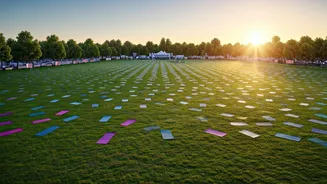
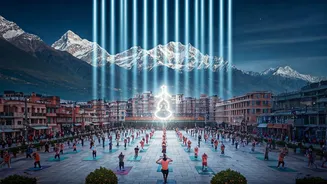
the country. What began as a United Nations declaration in 2014, championed by India, has evolved into a grassroots movement and a spectacular display of public participation. Every year, iconic locations are converted into sprawling yoga mats. Picture thousands of people moving in unison against the backdrop of the rising sun at India Gate in Delhi, or along the shores of Marine Drive in Mumbai. It’s a powerful visual that speaks volumes about yoga’s deep roots and modern resurgence in its homeland.
The Prime Minister Leads the Way
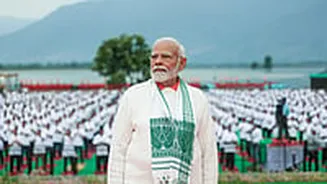
The focal point of the national celebrations is traditionally led by Prime Minister Narendra Modi. This year, the main event will be held in Srinagar, at the Sher-i-Kashmir International Conference Centre (SKICC) on the picturesque banks of Dal Lake. The choice of location is always significant, aiming to integrate different regions into the national celebration. The Prime Minister will join thousands of participants in a Common Yoga Protocol session, a standardised sequence of asanas designed for mass participation. This high-profile event sets the tone for the entire day, with its live broadcast inspiring millions more to join in from their homes, local parks, and community centres. It’s a moment that blends political leadership with a message of personal and societal well-being.
This Year's Theme: Self and Society
Each International Yoga Day has a theme, and this year’s is 'Yoga for Self and Society.' The theme underscores the dual benefits of the practice. On one hand, yoga is an intensely personal journey toward physical fitness, mental clarity, and inner peace. It’s a tool for self-care and resilience in a fast-paced world. On the other hand, the theme suggests that when individuals are healthy and balanced, they contribute more positively to their communities and society at large. Organisers are framing this as a call to action: practice yoga not just for your own benefit, but as a way to foster a more harmonious and compassionate society. This message will be woven into speeches, workshops, and informational campaigns surrounding the day's events.
Beyond the Main Stage
While the Srinagar event will capture headlines, the true spirit of Yoga Day lies in the countless other gatherings. State governments, yoga institutes, corporate offices, and resident welfare associations (RWAs) are all organising their own events. In Delhi, the Delhi Development Authority (DDA) is preparing several of its major parks to host thousands of citizens. The armed forces are known for their unique celebrations, with personnel performing yoga on naval aircraft carriers and in high-altitude locations like Siachen. Universities and schools will hold special sessions for students, aiming to inculcate the habit of wellness from a young age. This decentralised, widespread participation is what makes the day a true national phenomenon rather than just a government-led initiative.
How You Can Participate
For anyone looking to join in, participation is easier than ever. Most large-scale public events in city parks are free and open to all, though some may require pre-registration online to manage crowds. Simply bring your own yoga mat, a water bottle, and comfortable clothing. Many local yoga studios and community centres will also be offering free introductory classes. For those who prefer to practice at home, the Ministry of Ayush and public broadcasters like Doordarshan will be live-streaming the Common Yoga Protocol session. It’s an opportunity to feel connected to a massive national movement, whether you’re in a crowd of thousands or in the quiet of your own living room.