


From Heirlooms to High Street
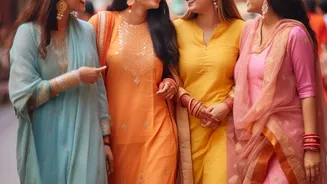
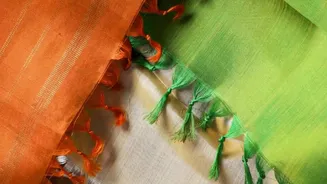
For generations, textiles like Banarasi silk or intricate Bandhani were synonymous with weddings, festivals, and special ceremonies. They were stored carefully, emerging only for moments of great importance. Today, that perception is shifting dramatically.
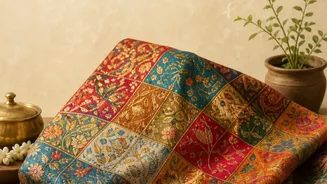
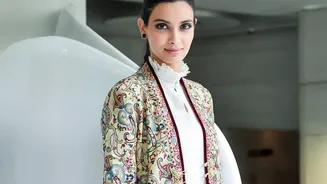
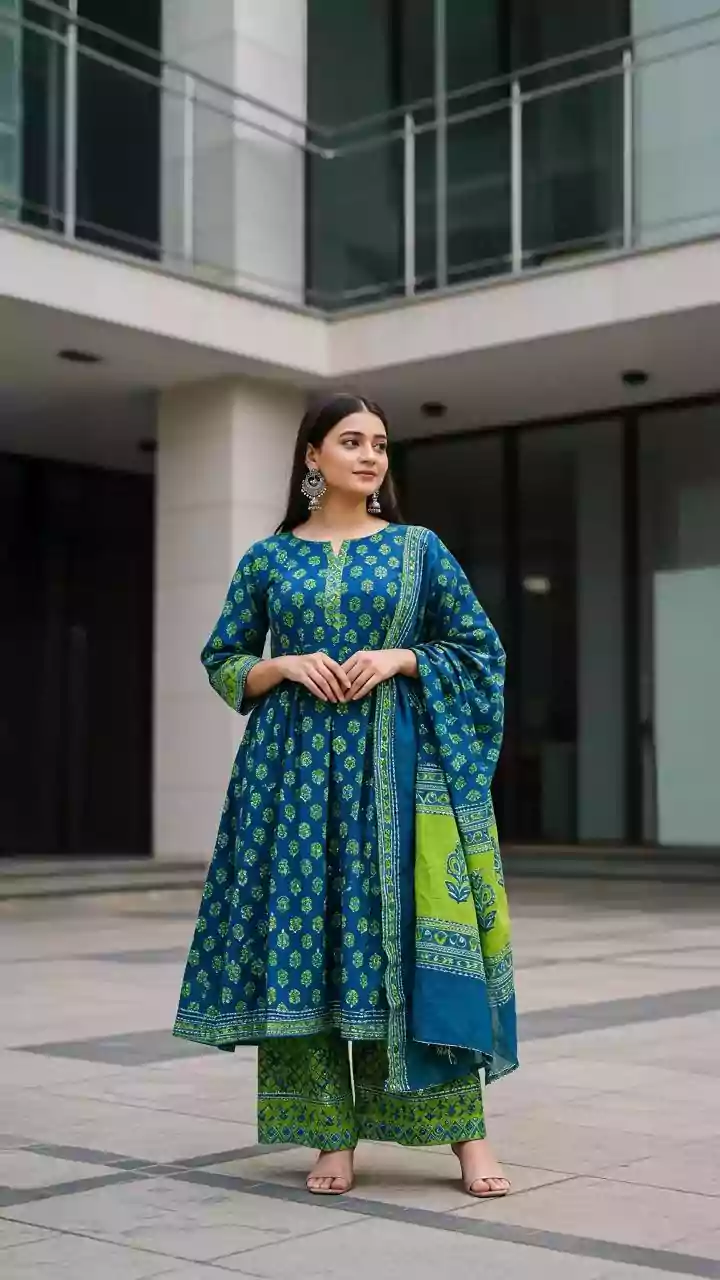
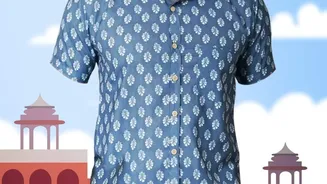
A new wave of Indian designers is deconstructing this formality, proving that heritage fabrics can be both beautiful and wearable every day. The goal is no longer just preservation but also relevance. This movement sees the rich vocabulary of Indian crafts—the geometric precision of Ikat, the delicate embroidery of Chikankari, the vibrant dots of Bandhani—applied to contemporary silhouettes like jumpsuits, jackets, blouses, and trousers. This transition is turning traditional textiles from occasional heirlooms into beloved, everyday staples.
The Designer as Cultural Bridge
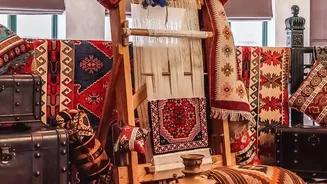
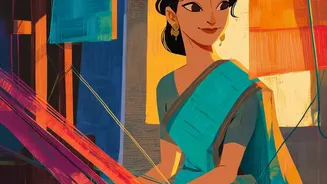
At the heart of this revival are designers who act as crucial bridges between artisan communities and the modern consumer. They are not just creating clothes; they are curating culture. By collaborating directly with weaving clusters and artisan families in regions like Varanasi, Kutch, and Lucknow, designers are fostering a creative exchange. This partnership goes beyond simply sourcing fabric. It often involves co-creation, where designers work with artisans to adapt traditional motifs, experiment with colour palettes, and innovate on age-old techniques to suit contemporary tastes. Labels like Raw Mango by Sanjay Garg and the work of Anita Dongre have been pivotal, demonstrating that handloom can be luxurious, modern, and commercially successful, inspiring a new generation of creators to follow suit.
Reimagining Signature Crafts
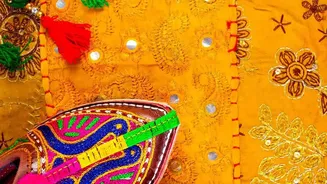
Specific textile arts are at the forefront of this contemporary redesign. Chikankari, the subtle white-on-white embroidery from Lucknow, has gracefully moved beyond traditional kurtas. It now adorns everything from crisp cotton shirts and summer dresses to denim jackets, adding a touch of delicate elegance to casual wear. Similarly, Ikat, a complex resist-dyeing technique known for its characteristic blurred patterns, is being used for structured coats, co-ord sets, and minimalist dresses that highlight its bold, graphic appeal. Even Bandhani, the tie-dye craft of Gujarat and Rajasthan, is being transformed. Instead of just sarees and dupattas, designers are using its intricate patterns on gowns, blouses, and even blazers, proving the versatility of the craft.
The Power of Sustainable Storytelling
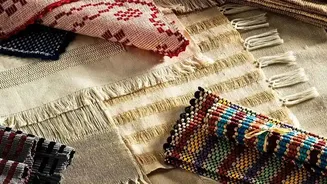
This trend is also powerfully connected to the global shift towards sustainable and ethical fashion. Handloom and handcrafted textiles are, by nature, 'slow fashion'. Their production involves minimal energy consumption, supports rural livelihoods, and often uses natural fibres and dyes. As consumers become more conscious of the environmental and human cost of fast fashion, the appeal of clothing with a traceable, authentic story grows. Buying a piece made with traditional Indian textiles is not just a fashion choice; it's an investment in artistry, community, and a more sustainable future. This narrative of ethical production gives each garment a deeper meaning, resonating with a generation that values purpose as much as aesthetics.