



The 30-Second Gateway Drug
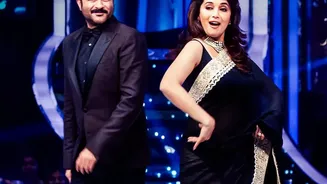
The revival often begins with a song. A 30-second clip on Instagram Reels or YouTube Shorts, detached from its original film context, is all it takes to go viral. An iconic dance move from a Madhuri Dixit number, a catchy hook from an R.D. Burman classic,
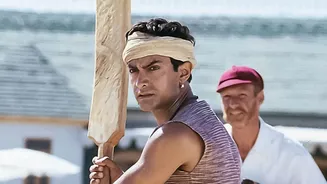
or a dramatic dialogue becomes the perfect soundtrack for a modern video. Songs from films like 'Jo Jeeta Wohi Sikandar' (1992) and 'Dilwale Dulhania Le Jayenge' (1995) are finding a massive new audience, not through radio or TV, but through an endless scroll of user-generated content. This bite-sized discovery method makes older content feel immediate and relevant, introducing timeless music to ears that may have never heard it otherwise.
From Viral Sound to Full Movie
What starts as a trending audio clip often blossoms into genuine curiosity. After hearing a song on loop, many young viewers are driven to find its source. This digital breadcrumb trail leads them from a Reel to YouTube, and then to a streaming platform like Netflix or Amazon Prime Video to watch the full movie. Suddenly, a film from the 70s or 90s is on their watchlist. This journey introduces them not just to a single plot but to an entire era of filmmaking and stardom. They discover the passionate storytelling of the 90s, which actors like Kajol note is something younger audiences seem to crave. This is how names like Zeenat Aman and Parveen Babi re-enter the cultural conversation, appreciated for their style and on-screen presence.
The Algorithm as a Film Historian
Social media algorithms play the role of an unintentional film historian. When a user engages with a few videos featuring a classic song, the platform's recommendation engine takes note. It then serves them more of the same, creating a feedback loop that unearths a vast back catalogue of cinematic history. This curated discovery feels personal and organic, even though it's driven by data. It's a stark contrast to how previous generations found old movies, which was often limited to scheduled reruns on television. Today's youth have an on-demand, algorithm-driven guide to the classics, which helps explain why films that didn't even perform well on their initial run, like 'Andaz Apna Apna' (1994), have achieved cult status among a new generation.
Nostalgia for a Past They Never Lived
A fascinating aspect of this trend is Gen Z's nostalgia for eras they never experienced firsthand. This 'anemoia' is fuelled by aesthetics popularised on social media, like 'Old Bollywood glam' or '90s romance'. Users create edits celebrating the fashion, cinematography, and unfiltered emotion of older films, presenting them as a desirable alternative to modern content. This second-hand nostalgia allows young viewers to connect with the 'feeling' of a bygone era, often perceived as more authentic or passionate. It's less about remembering the past and more about adopting its aesthetic, making retro cool again.
An Interactive Form of Fandom
Unlike the passive viewing of the past, this new discovery is interactive. Young fans don't just watch; they participate. They create memes, fan edits, and dance challenges, putting their own spin on classic content. This active engagement builds a community around a shared interest, connecting fans across different generations. Influencers and content creators play a huge role, acting as cultural curators who introduce their followers to older films and music. This transforms film history from a static archive into a living, breathing part of today's internet culture, where a scene from a 1988 movie can become the week's most popular meme.