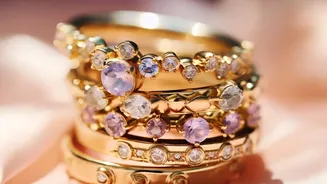






Gold Jewellery: The Sentimental Choice
For generations, gold jewellery has been the default way for Indian families to buy and store wealth. Its appeal is undeniable—it's wearable art, a family heirloom, and a constant feature in weddings and festivals. The biggest advantage of jewellery is its
dual purpose: it serves as both an adornment and an asset. However, from a pure investment perspective, it's the least efficient option. The primary drawback is the cost. Making charges, which cover the labour and design of the piece, can range anywhere from 8% to over 25% of the gold's value. These charges, along with wastage fees and GST, are typically not recovered upon resale. This means the price of gold needs to rise significantly just for you to break even. Furthermore, most Indian jewellery is made from 22-karat gold, meaning it's 91.6% pure, with other metals added for durability, which can affect its valuation compared to purer forms.
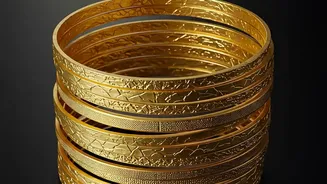
Gold Coins & Bars: The Tangible Investment
For those who want to own physical gold without the high costs of jewellery, coins and bars are a compelling middle ground. They are typically available in 24-karat purity (99.9% pure) and come with BIS hallmarking, assuring their weight and quality. While there are still some making charges, they are significantly lower than for intricate jewellery. When buying coins or bars, you also pay a 3% GST on the value. The main benefit is direct ownership of a tangible asset that you can hold, store, and pass down. This provides a sense of security that digital assets cannot replicate. However, this physicality is also its main challenge. Secure storage is essential, whether in a home safe or a bank locker, which adds to the cost and risk. While more liquid than jewellery, selling coins and bars requires finding a reputable buyer and you might not get the full market rate, though you can expect to recover a much higher percentage of the gold's value compared to reselling jewellery.
Gold ETFs: The Modern Digital Route
Gold Exchange Traded Funds (ETFs) are financial instruments that track the price of pure physical gold. Each unit of a Gold ETF you buy represents a certain amount of gold (often one gram or a fraction of it) held in a secure vault by the fund manager. The primary advantages are convenience, liquidity, and cost-effectiveness. Since they are traded on the stock exchange just like shares, you can buy or sell them instantly during market hours through a demat account. There are no making charges, storage costs, or purity concerns. Instead, you pay a small annual expense ratio (usually under 1%) to the fund manager and a brokerage fee for transactions. Gold ETFs are not subject to the 3% GST at purchase, making them a more cost-efficient entry point. The downside is that you never physically own the gold. It's a purely financial investment, and its value is subject to market risks and minor tracking errors against the physical gold price.
How to Choose: A Head-to-Head Comparison
Your choice depends entirely on your goal. For Consumption & Gifting: Jewellery is the undisputed winner. Its cultural and emotional value is something coins and ETFs cannot offer. Be prepared for high initial costs and low resale value. For Tangible Wealth Preservation: Gold coins and bars are ideal. They offer the security of a physical asset with higher purity and lower associated costs than jewellery, making them a better long-term store of value. For Pure Investment & Trading: Gold ETFs are the most efficient choice. They provide exposure to gold price movements with maximum liquidity, minimal costs, and no storage hassles. This makes them perfect for systematic investment plans (SIPs) and portfolio diversification. When it comes to taxes, profits from selling any of these forms of gold after holding them for more than 24 months are generally treated as long-term capital gains. Short-term gains are added to your income and taxed at your slab rate.