



The Green Wave on Urban Menus
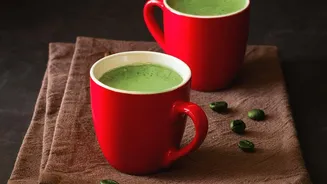
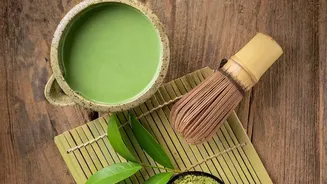
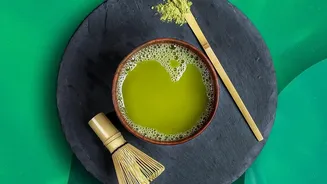
What started as a niche wellness trend has officially gone mainstream. Matcha, a finely ground powder of specially grown green tea leaves from Japan, and moringa, derived from the nutrient-dense leaves of the 'drumstick tree' native to India, are the new
stars of the beverage world. Their popularity is fuelled by a generation of health-conscious consumers in metropolitan and Tier-1 cities who are actively seeking alternatives to coffee and sugary drinks. This shift is part of a larger movement towards functional beverages—drinks that offer health benefits beyond simple hydration, from boosting immunity to improving focus.
More Than Just a Health Kick
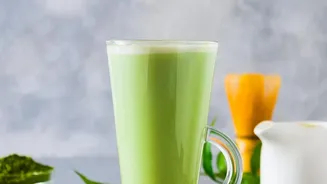
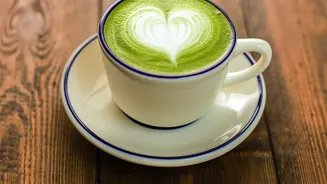
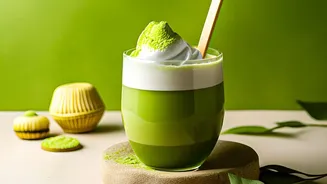
For cafe owners, adding these green lattes to the menu is a strategic business decision. The visual appeal of a vibrant matcha latte is undeniable, making it a natural star on social media platforms and drawing in curious customers. More importantly, it caters to a growing demographic that values wellness, novelty, and global trends. By offering drinks like matcha and moringa lattes, cafes can diversify their menus, attract a younger audience, and position themselves as modern and in-tune with evolving consumer preferences. It signals a move beyond traditional coffee culture to embrace a broader, more intentional approach to what we drink.
The Art of Adaptation
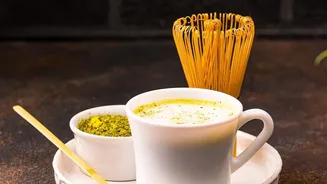
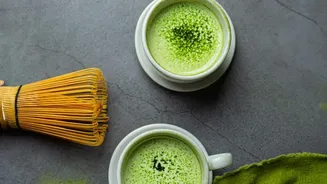
Incorporating these new ingredients is not without its challenges. Sourcing high-quality, authentic matcha from Japan can be expensive and complicated, with supply chain issues sometimes leading to shortages. There is also a lack of standardised grading in India, making it difficult for cafes to ensure consistency. Cafe owners must invest in finding reliable suppliers who can provide ceremonial or high-grade culinary matcha that isn't bitter and has a vibrant colour. Similarly, while moringa is locally available, ensuring a consistent, high-quality powder is crucial for taste. Training is another key component. Baristas need to learn how to work with these powders, which suspend in liquid rather than dissolve, and master the art of whisking to achieve the right texture and flavour profile.
Crafting the Perfect Sip
Success lies in the execution. To make these earthy flavours palatable to a wider audience, cafes are getting creative. Many balance the bitterness of matcha or the grassy notes of moringa with sweeteners, vanilla, or white chocolate. Offering a variety of plant-based milks like oat, almond, and soy has also become standard, appealing to both vegan and health-conscious patrons. Some cafes are going a step further, creating innovative blends like coconut water matcha lattes or fusing moringa with matcha for a 'superfood' combination. The goal is to make the drink approachable and delicious, turning a first-time trial into a repeat order. Consistency in preparation is key to building customer loyalty.
A Lasting Trend or a Passing Fad?
While the hype is significant, the move towards drinks like matcha and moringa seems to be more than a fleeting trend. It reflects a fundamental shift in consumer behaviour in urban India, where wellness is becoming a daily ritual. The Indian health beverage market is projected to grow substantially, indicating a long-term interest in healthier options. As consumers become more educated and their palates adapt, these green beverages are likely to become permanent fixtures on cafe menus, sitting comfortably alongside coffee as a mainstream choice for a mindful energy boost.