








Meet the Orionids
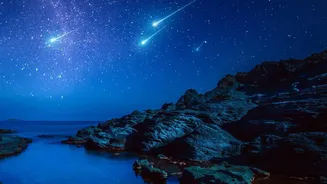
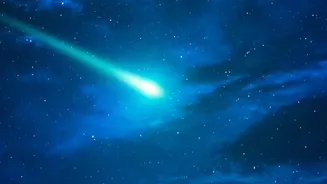
The Orionid meteor shower is an annual celestial event, considered one of the most beautiful of the year. These shooting stars are actually tiny, fast-moving pieces of debris left behind by one of the most famous comets in history: Halley's Comet. Each
October, as Earth passes through this trail of cosmic dust, the particles burn up in our atmosphere, creating bright, swift streaks of light. They travel at incredible speeds—about 66 kilometres per second—and are known for their brightness, sometimes leaving glowing 'trains' that linger for a few moments after the meteor has vanished. The shower gets its name because the meteors appear to radiate from a point within the constellation of Orion, the Hunter.
Best Dates and Times for Viewing in 2026
Mark your calendars for the pre-dawn hours of October 21st and 22nd, 2026, which is when the Orionid meteor shower will hit its peak. While the shower is active from early October to early November, your best chance to see the highest concentration of meteors will be on these two nights. In a typical year, you might see 15 to 25 meteors per hour under perfect conditions. For 2026, there's a slight challenge: a bright, waxing gibbous Moon will be in the sky during the early part of the night. However, it sets around 3 a.m. local time. This creates a prime viewing window between moonset and the start of dawn, when the sky will be at its darkest.
How to Watch: The Essentials
The best part about watching a meteor shower is that you don’t need any special equipment. Binoculars and telescopes have too narrow a field of view, so your naked eyes are the best tool for the job. Find a location far from city and street lights. Even a 30-minute drive away from urban glare can dramatically increase the number of meteors you'll spot. Give your eyes about 20-30 minutes to fully adjust to the darkness; avoid looking at your phone screen, as its white light will ruin your night vision. Lie back on a blanket or a reclining chair, look up, and be patient. Meteors can appear anywhere in the sky, not just near the constellation Orion.
Top Dark-Sky Getaways in North India
For those in North India, the Himalayas offer unparalleled stargazing. Ladakh is India's premier destination, with Hanle being home to the country's first official Dark Sky Reserve, boasting some of the clearest skies in the world. For a more accessible but still stunning experience, consider Spiti Valley in Himachal Pradesh. Villages like Kaza and Kibber are high-altitude cold deserts with minimal light pollution and a high probability of clear nights in October. Closer to Delhi, you can find excellent conditions in parts of Uttarakhand like Mukteshwar and Lansdowne, or head into Rajasthan. The desert camps near Jaisalmer or areas around Sariska offer clear, dark skies perfect for a weekend trip.
Weekend Escapes in West and South India
If you're based in Mumbai or Pune, escaping to the Western Ghats is your best bet. Locations like Bhandardara, about a four-hour drive from Mumbai, are popular for their dark skies, especially after the monsoon. Other great options include the areas around Pawna Lake, Malshej Ghat, and Dehene village. In the South, the hills of Coorg in Karnataka provide a serene backdrop with clear skies away from city lights. The high-altitude town of Ooty in Tamil Nadu is another fantastic choice, where the crisp air and elevation contribute to wonderful stargazing conditions. Many resorts and homestays in these regions are well-suited for a quiet night of cosmic observation.
Packing for Your Stargazing Trip
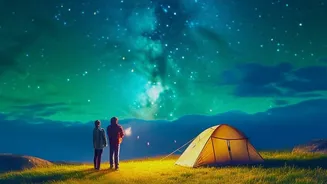
While your eyes are the main tool, your comfort is key to an enjoyable experience. October nights can get chilly, especially at higher altitudes, so dress in warm layers. Pack a blanket or sleeping bag to stay cozy while you're lying down. A reclining chair can save you from neck strain. Bring a thermos with a hot drink like chai or coffee, along with some snacks. A red-light torch is a great accessory, as it helps you see your surroundings without compromising your night vision. Lastly, bring patience. Meteor watching is a waiting game, so settle in, relax, and enjoy the show nature has to offer.