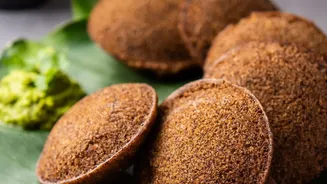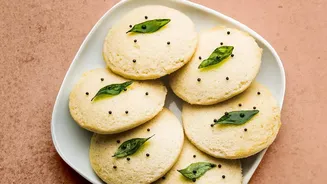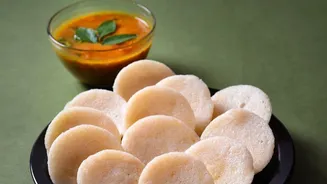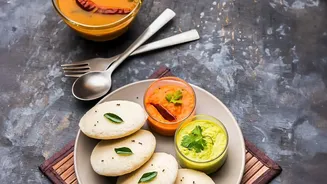


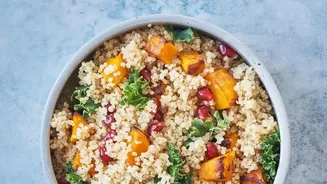
The humble idli is more than just breakfast; it's a comforting ritual. But what if you could elevate this classic dish, making it even healthier without losing its soulful appeal? Enter the foxtail millet idli, a modern hero in ancient grains.
What Exactly Is Foxtail Millet?
Foxtail
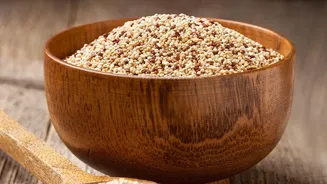
millet, known as 'Kangni' in Hindi or 'Thinai' in Tamil, is not a new fad. It is an ancient grain that has been a staple in parts of Asia and Africa for thousands of years. Recently, it has enjoyed a massive resurgence as people rediscover its incredible nutritional profile and culinary versatility. Unlike polished white rice, this tiny, bead-like grain packs a powerful punch. It has a mild, slightly nutty flavour that makes it an excellent and unobtrusive substitute for rice in many traditional recipes, including one of South India’s most beloved dishes: the idli.
The Healthy Upgrade Your Breakfast Needs
Swapping rice for foxtail millet in your idlis is one of the simplest yet most effective changes you can make to your diet. The primary benefit lies in its low glycemic index, which ensures a slow release of sugar into the bloodstream. This makes millet idlis an excellent option for diabetics and anyone looking to manage their blood sugar levels more effectively. Furthermore, foxtail millet is naturally gluten-free, catering to those with gluten sensitivities or celiac disease. It is also packed with dietary fibre, which aids digestion, promotes a feeling of fullness, and can assist in weight management. Rich in protein, iron, and calcium, these idlis are not just filler; they are genuinely nourishing, transforming your breakfast from a simple carb-based meal into a balanced, nutrient-dense start to your day.
Mastering the Art of Millet Idli
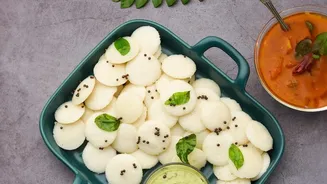
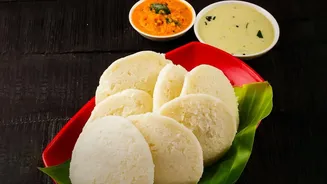
The biggest question for any idli purist is about texture: will millet idlis be as soft and fluffy as their rice-based counterparts? The delightful answer is yes, with a few minor adjustments. The process remains comfortingly familiar. You'll need to soak the foxtail millet and urad dal separately for about six to eight hours. A common ratio is two parts millet to one part dal, though some prefer a higher millet content. After soaking, grind them into a smooth batter, combine, and let it ferment in a warm place for eight to twelve hours, or until it has risen and smells pleasantly sour. The key to soft idlis lies in proper fermentation. The resulting batter steams into idlis that are incredibly soft, albeit with a slightly denser crumb and a subtle, earthy flavour that distinguishes them from rice idlis. This unique taste is a feature, not a flaw, adding a new dimension to a familiar favourite.
The Perfect Chutney Pairings
An idli is only as good as the chutney served alongside it, and foxtail millet idlis are no exception. Their nutty undertone provides a wonderful canvas for a variety of flavours. For a classic combination, a creamy coconut chutney offers a cooling balance to the warm idlis. If you prefer something with a bit more punch, a tangy and spicy tomato-onion chutney cuts through the earthiness of the millet beautifully. Its sharp notes create a delightful contrast. For a fresh and vibrant accompaniment, a mint and coriander chutney brings a zesty, herbaceous lift that makes the entire meal feel lighter. For a truly harmonious pairing, consider a peanut chutney. Its natural nuttiness echoes the flavour of the foxtail millet, creating a cohesive and deeply satisfying taste experience. And of course, a bowl of hot sambar is always a welcome addition, its complex blend of spices and vegetables rounding out the meal perfectly.