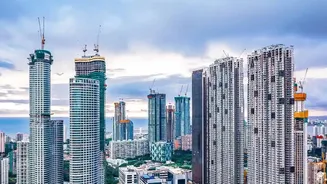







The City That Never Cools Down
The core of the problem is something experts call the Urban Heat Island (UHI) effect. Think of it this way: during the day, the vast stretches of concrete, asphalt, and dark-coloured buildings that define our cities absorb and store huge amounts of solar
radiation. Unlike rural areas with ample soil, trees, and water bodies that cool the environment through evaporation and shade, urban surfaces just keep getting hotter. When night falls, this stored heat is slowly released back into the atmosphere. This process, known as microclimate heating, prevents the city from cooling down at the same rate as its natural surroundings, leading to significantly warmer nights in urban centres.
A Growing Problem in Tier 2 Cities
While this issue affects all cities, it is becoming particularly acute in India's Tier 2 cities—places like Jaipur, Lucknow, Pune, and Coimbatore. These cities are hubs of rapid, often unplanned, urbanisation. Old green spaces and water bodies are quickly being replaced by new construction to accommodate a growing population and economy. This relentless replacement of natural, cooling landscapes with heat-retaining artificial surfaces intensifies the UHI effect. Studies show that in some Indian cities, this can result in nighttime temperatures that are several degrees higher than in adjacent rural areas, creating a persistent, low-grade fever for the entire urban area.
Breathing Harder While You Sleep
So, why does a warmer night matter? For one, it directly impacts your respiratory system. Higher air temperatures can exacerbate air pollution by accelerating the chemical reactions that form ground-level ozone, a major lung irritant. This warm, often stagnant, urban air can also trap pollutants like dust and emissions from traffic close to the ground. For individuals, especially those with pre-existing conditions like asthma, this combination is stressful. The body is already working to regulate its temperature in the heat, and when the air you breathe is warmer and more polluted, it adds another layer of strain on your respiratory system, even as you sleep.
How Heat Wrecks Your Sleep
A good night's sleep is fundamentally tied to temperature. To initiate and maintain deep, restorative sleep, your body's core temperature needs to drop. This is a natural, biological process. However, when your bedroom and the city around you remain too warm, it actively works against your body's efforts to cool down. Research shows that sleeping in a hot environment disrupts sleep architecture. It reduces the time you spend in the most critical phases, such as REM and deep sleep, and increases the number of times you wake up during the night, even if you don't remember it. Studies have found a clinically relevant drop in sleep efficiency—by as much as 5-10%—when a room's temperature rises from 25°C to 30°C.
Finding Ways to Cool Down
The long-term solutions lie in smarter urban planning—more green spaces, cool roofing materials, and preserving water bodies. But on a personal level, there are steps you can take to mitigate the effects. Improving ventilation by creating a cross-breeze can help. Choose breathable, natural fabrics like cotton for your bedding and sleepwear. Keeping indoor plants can have a minor but positive effect on air quality and humidity. Minimise heat sources in your bedroom by turning off electronics. A cool shower before bed can also help lower your core body temperature, signaling to your body that it's time to rest. Understanding that your city's environment is impacting your rest is the first step to actively creating a cooler, more comfortable sleep sanctuary.