


Beyond 'Earth-Like'
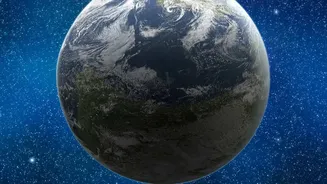
In the vast cosmic ocean, astronomers have long used Earth as the ultimate benchmark for habitability. The logic was simple: find a rocky planet of a similar size in the 'Goldilocks Zone' of a Sun-like star, and you might just find life. However, some
scientists now argue this approach might be too narrow, a kind of planetary bias. Led by researchers like geobiologist Dirk Schulze-Makuch, a new line of thinking proposes we should be looking for 'superhabitable' worlds—placements that could offer conditions even more favourable to life than Earth. The idea, first detailed in a 2014 paper in the journal Astrobiology by René Heller and John Armstrong, challenges us to think beyond finding a mirror image of our home and instead search for worlds where life could be more abundant and diverse.
The Recipe for a Better Planet
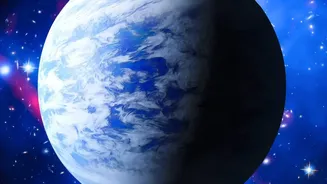
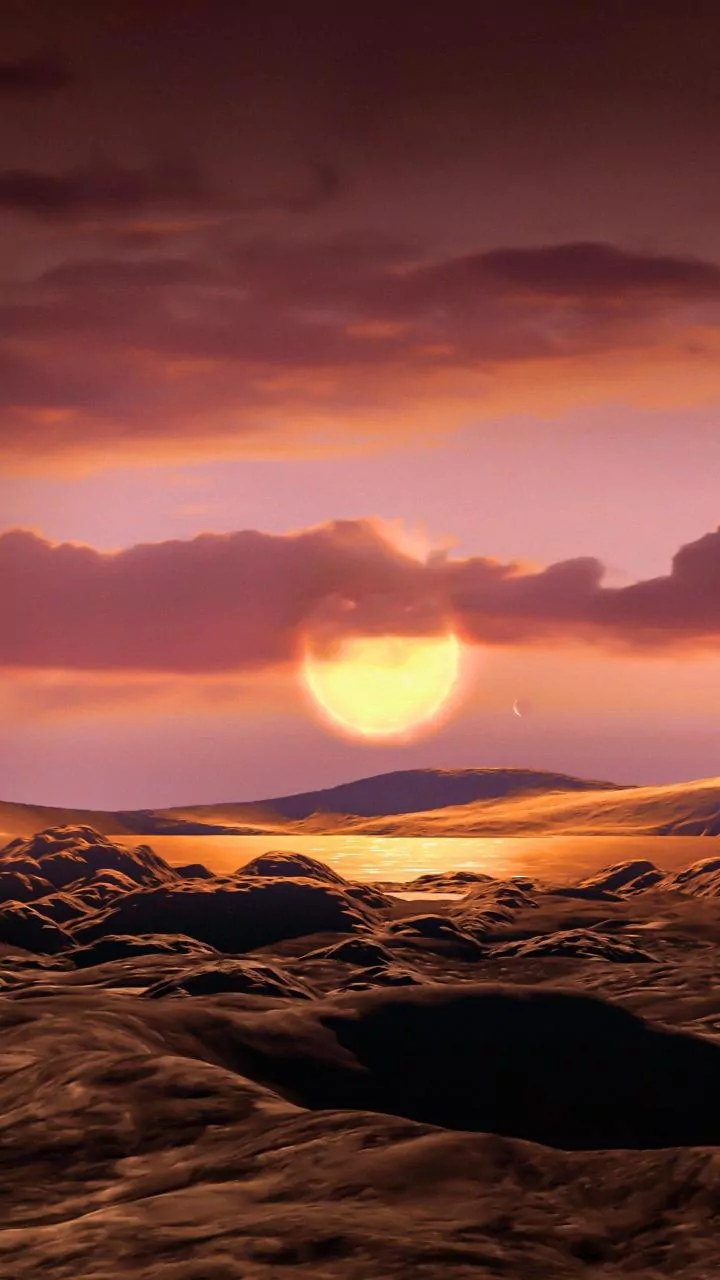
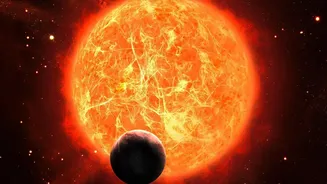
So, what makes a planet not just habitable, but superhabitable? Researchers have identified several key characteristics. It starts with the star. Instead of a G-type star like our Sun, the ideal candidate would be a K-type orange dwarf. These stars are cooler, less massive, but have an incredibly long and stable lifespan—up to 70 billion years compared to our Sun's 10 billion—giving complex life much more time to emerge and evolve. The planet itself would ideally be about 1.5 times more massive than Earth and about 10% larger. This extra mass means stronger gravity to hold onto a protective atmosphere, and the larger surface area could mean more space for life to flourish. A slightly warmer and wetter world, with an average surface temperature around 25°C, could also boost biodiversity, similar to how Earth's tropical rainforests are teeming with life.
Identifying the Contenders
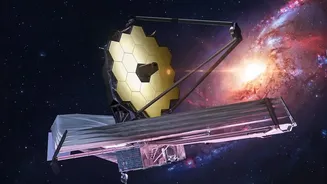
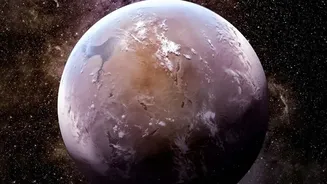
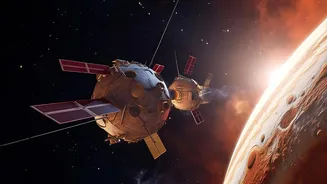
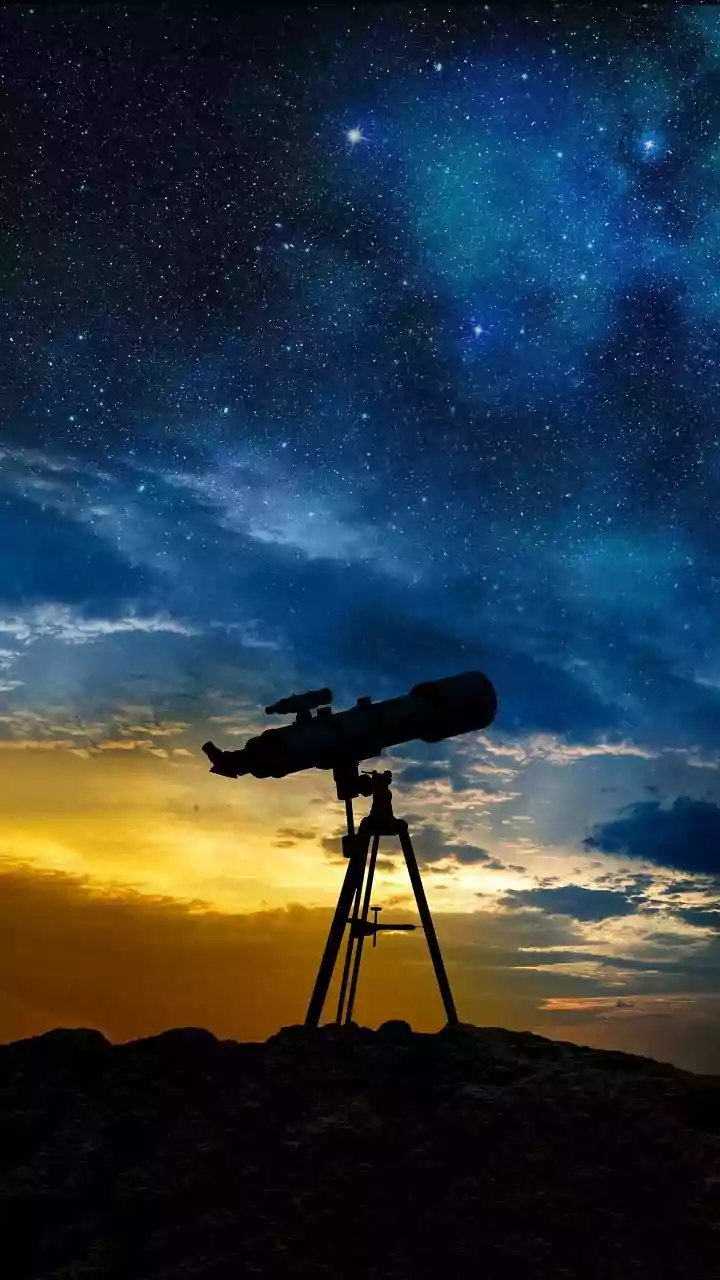
This isn't just a theoretical exercise. In 2020, a team led by Schulze-Makuch sifted through the 4,500 known exoplanets at the time to identify potential candidates. They pinpointed 24 worlds that could be superhabitable. None of these are a perfect match, but they tick some of the most important boxes. One of the most promising candidates is a planet designated KOI 5715.01. It is estimated to be about 5.5 billion years old, orbits a stable orange dwarf, and has a potentially ideal average surface temperature. The catch? All these top contenders are more than 100 light-years away, making them incredibly difficult to study in detail with current technology. For now, they serve as a crucial focus list for the next generation of powerful telescopes, like the James Webb Space Telescope, which can analyse planetary atmospheres for clues.
Why the Search Matters
The search for superhabitable planets is more than just an academic curiosity; it fundamentally reframes our search for life in the universe. For years, we've been guided by the Copernican Principle, the idea that Earth holds no special place in the cosmos. The concept of superhabitability takes this a step further: not only is Earth not special, but it might not even be optimal. This forces scientists to broaden their criteria for what makes a planet worthy of investigation. By focusing only on Earth-clones, we risk overlooking worlds where biology could be thriving in ways we haven't even imagined. This expanded perspective is crucial for efficiently using the limited time on powerful new observatories and maximising our chances of finally answering the question: are we alone?