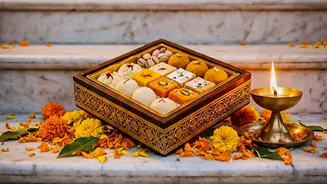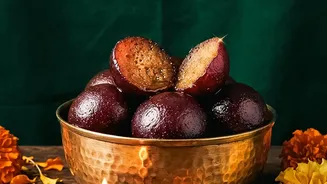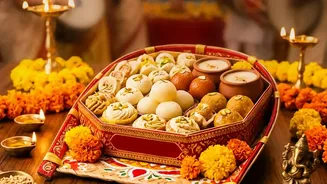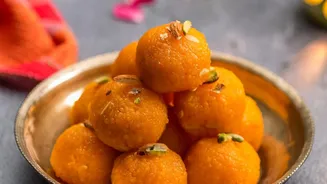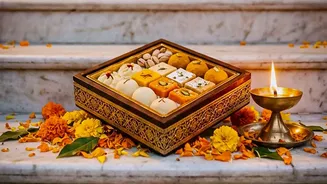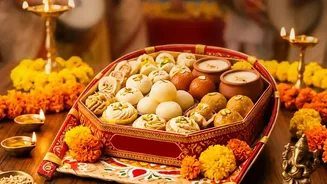


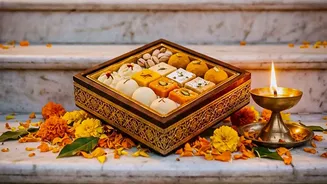
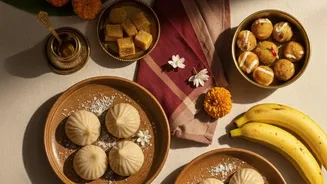
Diwali is a symphony of light, laughter, and ladoos. But as health awareness grows, the glittering boxes of mithai can bring a side of stress. How do we honour tradition and hospitality while staying mindful of our well-being?
The Modern Mithai Dilemma
The act of sharing mithai
during Diwali is woven into the fabric of the festival; it’s a gesture of love, respect, and celebration. Refusing a sweet from a relative or friend can feel like rejecting their affection. This places many in a difficult position, caught between cherished customs and personal health goals. The good news is that it doesn't have to be an all-or-nothing choice. The trend for 2026 is not about eliminating sweets, but about reimagining them. The focus is shifting towards mindful indulgence and cleaner ingredients, allowing everyone to partake in the joy without the guilt.
Healthier Ingredient Swaps
A simple way to make traditional sweets more health-conscious is by swapping out a few key ingredients. Many modern recipes now replace refined white sugar with natural alternatives that offer more than just sweetness. Jaggery (gur) lends a traditional, caramel-like depth and contains trace minerals like iron. Date paste, made by blending soaked dates, provides natural sweetness along with fibre. Other options like coconut sugar offer a lower glycemic index, while monk fruit or stevia-based sweeteners can provide sweetness without the calories for those who need to manage their sugar intake carefully. Similarly, using whole wheat, oat, or nut flours instead of refined maida can add fibre and nutrients.
Classic Mithai, Modern Makeovers
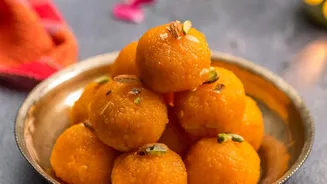
You don't have to invent new desserts to enjoy a healthier Diwali. Many beloved classics can be easily adapted. Ladoos made from dates and nuts, for instance, require no added sugar and are packed with healthy fats and fibre. Gujiyas can be baked instead of deep-fried, with a filling of roasted coconut and jaggery for a lighter touch. You can also find recipes for Anjeer Barfi (fig rolls) or Faldhari Barfi, which use the natural sweetness of figs, dates, and other nuts. Even Kaju Katli can be made with jaggery or a stevia-based sweetener.
Gifting That Goes Beyond the Sweet Box
If you're looking for alternatives to gifting traditional mithai, there are plenty of thoughtful options that still feel festive. A curated box of high-quality dry fruits, nuts, and seeds is a classic and always welcome choice. You could also consider artisanal teas, gourmet coffee, or a hamper of savoury snacks like flavoured makhana. For a homemade touch, you could prepare a batch of roasted nuts or a healthy granola. These gifts show you care about the recipient's well being while still sharing in the spirit of festive generosity.
Indulgence Without the Moral Test
The most important shift is in our mindset. Festive eating is not a moral failure, and foods are not inherently 'good' or 'bad'. Guilt over enjoying a special meal often leads to a cycle of restriction and overeating. Instead of counting every calorie, practice mindful indulgence. Take a smaller portion, eat slowly, and truly savour the flavours and the company. One or two sweets will not derail your health goals. The aim is to enjoy the festive season without shame or anxiety. Remember that Diwali is about connection and joy, and sharing food is a beautiful part of that.
How to Politely Navigate Social Situations
So, what do you do when a persistent auntie insists you have another piece of barfi? A simple, firm 'No, thank you' is often enough. If you feel an explanation is needed, you can say something appreciative yet final, like, 'It looks delicious, but I'm truly full'. In Indian culture, directly saying 'no' can sometimes be misinterpreted as just being polite. A phrase like 'Mera pet bhar gaya' (My stomach is full) can be a culturally effective way to signal you've enjoyed the food but cannot eat more. Another strategy is to accept a small piece to show respect or ask for it to be packed to take home for later. The key is to be gracious and appreciate the gesture, even if you decline the food.